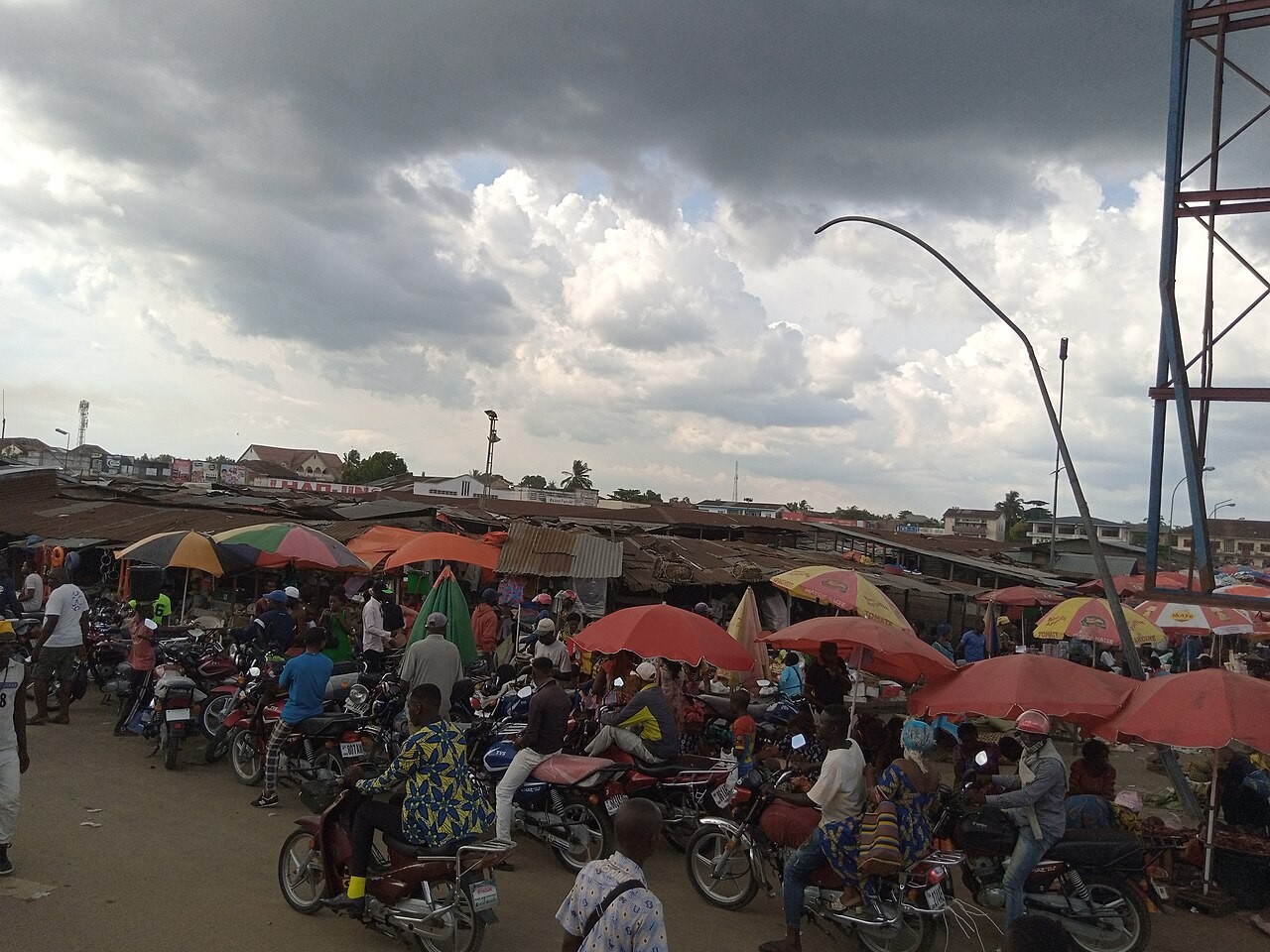
A new food-security alert points to sustained pressure on households in the Democratic Republic of the Congo. UN News reported on 30 October that the IPC monitoring system projects 28.8 million people in crisis-level food insecurity or worse through December, representing 23 per cent of the population analysed.
The assessment places more than 3.6 million people in its emergency category, Phase 4. Phase 3 and above covers several severity levels, so the total should not be described as a count of people already in famine. The classifications describe different degrees of food insecurity.
Eastern provinces remain central to the concern. The report puts 10.4 million people in North Kivu, South Kivu and Ituri in Phase 3 or above. Displaced people, returnees, refugees and poorer households are among those identified as especially exposed.
The alert links the pressure to disrupted livelihoods and markets, rising food and fuel prices, displacement, disease outbreaks and climate shocks. These factors can combine: a household may struggle both to produce food and to afford supplies brought from elsewhere.
For January to June 2027, IPC projects 30.3 million people in Phase 3 or above, including 4.2 million in Phase 4. These are forward-looking estimates based on expected conditions; they should remain distinct from observations about the present period.
The practical implication is a need to track access to food alongside the scale of humanitarian support. A national percentage can conceal sharper local deterioration. The provincial detail and the assessment periods provide a more useful basis for understanding the alert than a single large headline number.