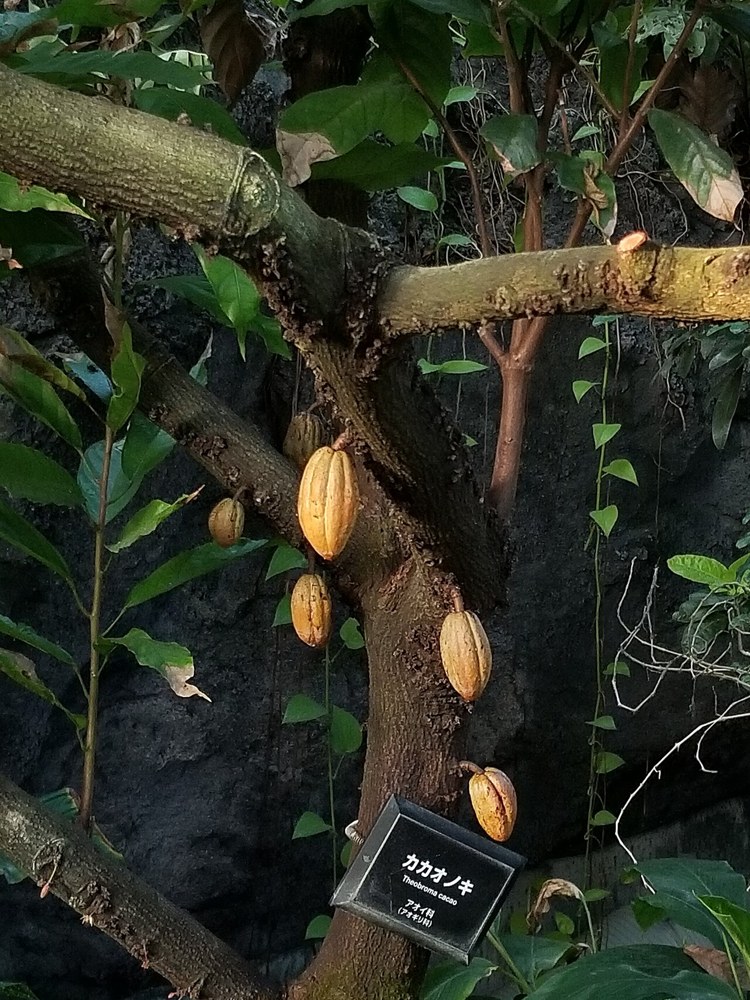
Nigeria’s proposal to expand tree-crop cultivation is being presented to European cocoa businesses as an investment opportunity. An October 28 government announcement set out plans for a Brussels forum on October 29, with cocoa expected to feature prominently in the programme.
The organisers described a one-million-hectare expansion programme and sought partnerships involving buyers, processing investment and producing regions. They also emphasised mapping and tracing new cultivation without forest loss. The announcement establishes the intended pitch, not proof that the entire area has been planted or financed.
For a cocoa buyer, origin information connects a shipment to the farms that supplied it. A credible system needs records that remain consistent as beans move through collection, storage and processing. A map alone cannot explain every later transaction.
The investment question extends beyond planting. Tree crops require time and continuing care before they yield commercial harvests. Financing arrangements therefore need to consider the gap between initial expenditure and income, alongside the capacity to process and transport the eventual crop.
Long-term purchase agreements can give producers more visibility, but announced interest is different from a signed agreement. Useful follow-up would identify participating organisations, the commitments they actually make and the responsibilities assigned to farmers, cooperatives, processors and buyers.
The programme’s progress should be judged through verified cultivation, transparent supply-chain records and functioning commercial relationships. Those measures would show whether the Brussels pitch becomes a dependable export business. The available source describes the planned presentation; it does not report the forum’s completed outcomes.