Nigeria opened its November savings bond offer on Monday, 2 November. For someone looking at the two rates on the notice, the first question is how long the money will be lent to the government. The two-year bond carries annual interest of 13.25%, while the three-year bond carries 14.25%. Both pay interest in instalments.
The subscription period ends on Friday, 6 November, according to the terms reported by Nairametrics and P.M. News. Settlement is scheduled for 11 November. The two-year bond falls due on 11 November 2028 and the three-year bond on 11 November 2029. The government is due to repay the original sum at maturity.
Each unit costs ₦1,000, but a subscriber must take at least five units. That makes ₦5,000 the smallest application. Above that amount, applications rise in steps of ₦1,000 up to a maximum of ₦50 million. The offer provides for subscriptions through stockbroking firms appointed by the Debt Management Office.
The annual percentage can be easy to misread because the payment calendar has four dates. On ₦100,000 of the two-year bond, 13.25% works out to ₦13,250 across a full year, or ₦3,312.50 per quarter. On the same amount of the three-year bond, the corresponding figures are ₦14,250 and ₦3,562.50. These examples use the stated rates alone.
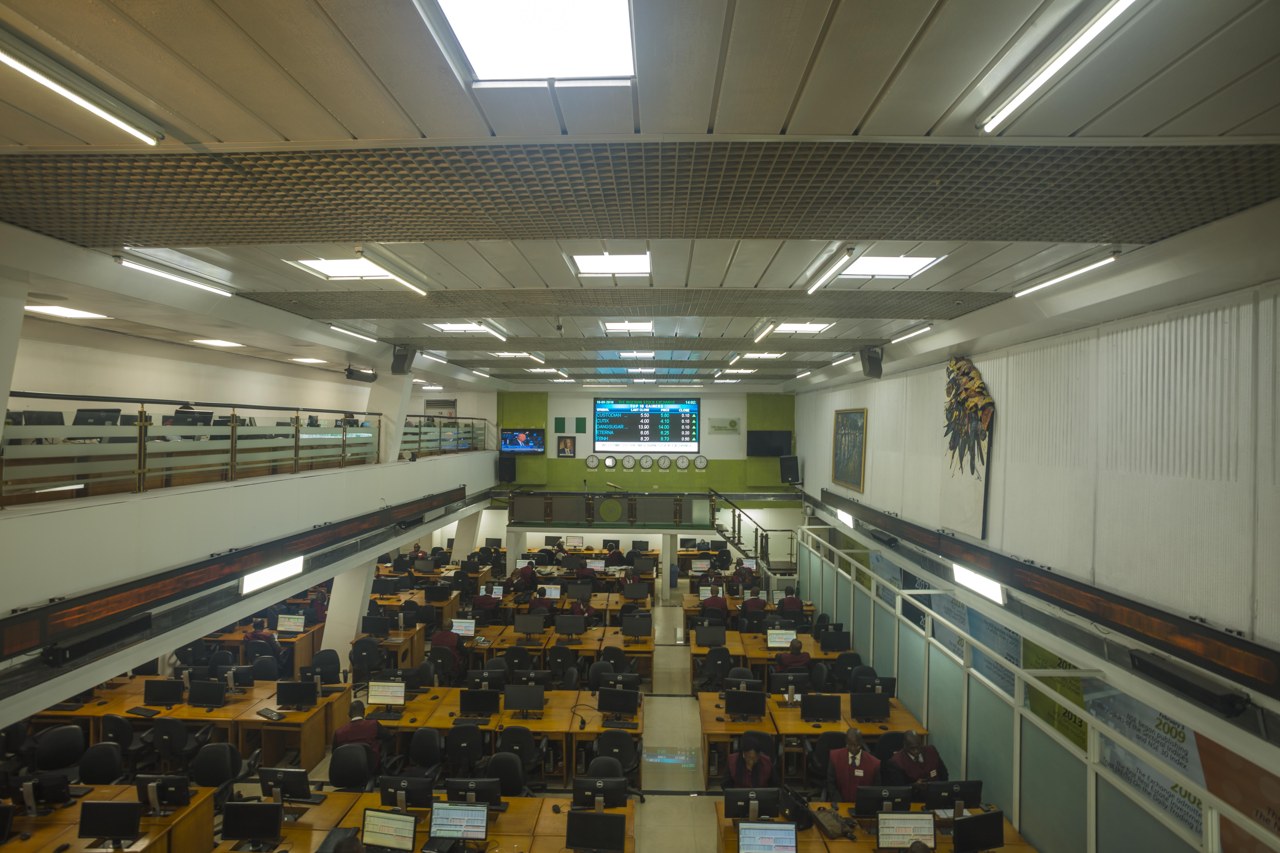
For that ₦100,000, the difference comes to ₦250 per quarter. In exchange for the higher rate, the original money falls due a year later. The bonds are listed on the Nigerian Exchange. The figures above describe the scheduled interest on the original amount and say nothing about the price someone might obtain by selling before maturity.
What it means for you: separate the last day to apply from the date you expect your money back. Compare the maturity date with your own spending timetable, and check the agent against the Debt Management Office’s list before sending an application. The monthly offer concerns money lent to government. It does not give the holder shares in a company.