Nigeria's education ministry is considering a proposal intended to give schoolchildren more practical experience with technology. In a September 28 account, the ministry described a presentation by Techxagon Academy on its Applied Technology, Robotics and Innovation programme. The discussions did not amount to approval of a national rollout or confirmation that pilot schools had been selected.
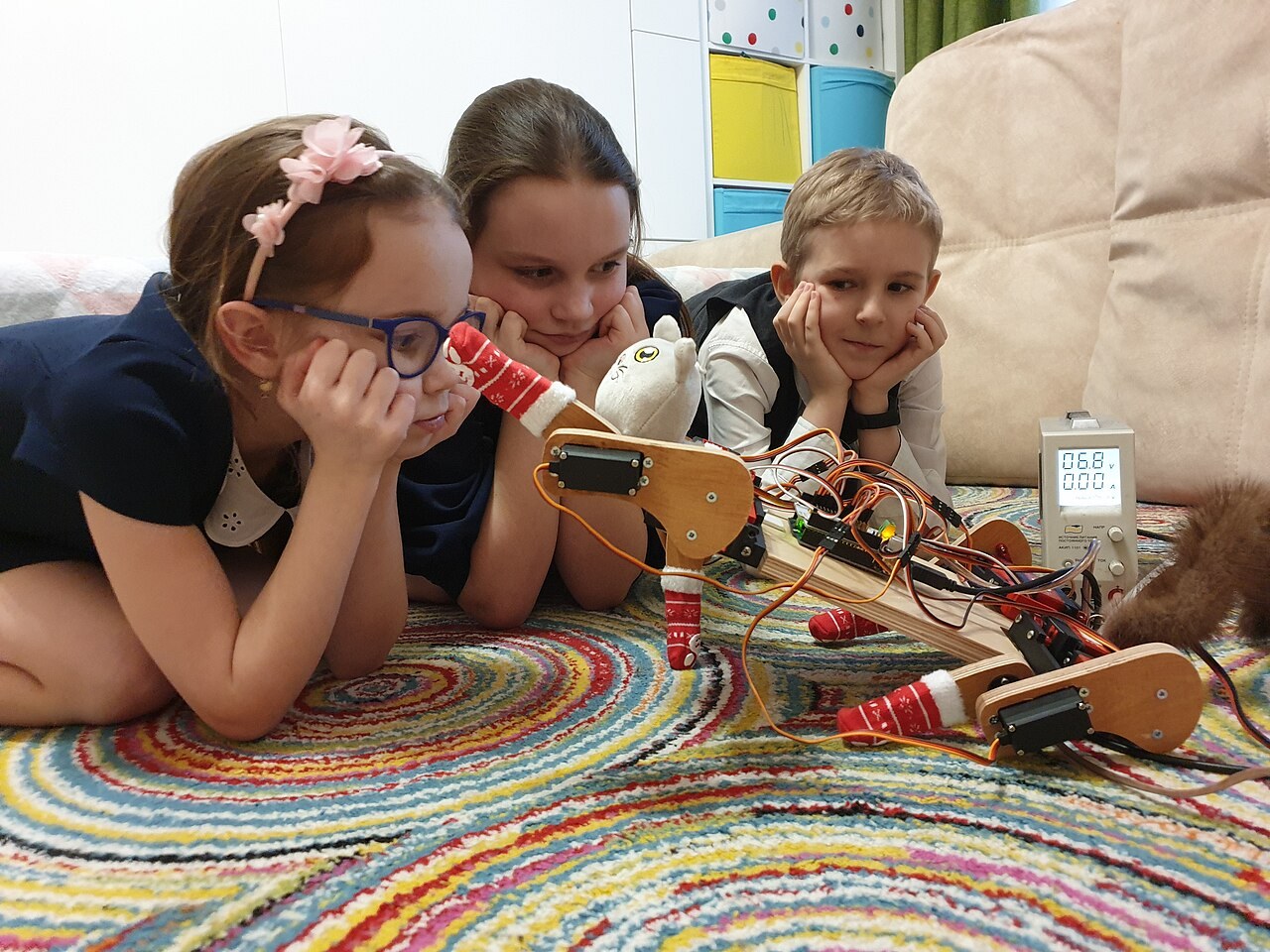
Techxagon said the programme would introduce hands-on work in coding, robotics, artificial intelligence, electronics, automation, connected devices, drones and three-dimensional design. Dedicated practical laboratories and structured sessions were proposed to complement existing curricula. Students would be expected to build, test and improve projects, rather than encounter the subjects only as theory.
Teacher preparation is another part of the proposal. The academy said educators would receive practical training so they could facilitate and sustain the learning in participating schools. Its suggested pilot would include selected schools across Nigeria's six geopolitical zones, combining teacher training, student sessions and joint monitoring and evaluation.
Ministry representatives discussed curriculum alignment, access, equipment safety and the resources schools would need. They also raised the importance of reaching learners from different economic backgrounds and strengthening opportunities in rural communities. Officials said the presentation and recommendations would go to the ministry's management for consideration and further direction.
For schools and parents, the distinction between a proposal and an approved programme is important. The account provides no final school list, enrolment instructions or confirmed implementation schedule. A presentation should therefore not be treated as evidence that a particular child has a place or that a school must purchase a specified technology package.
The proposal's practical promise will depend on how equipment, teacher skills and lesson time fit together. A laboratory can support experimentation only when pupils have meaningful opportunities to use it. Further ministry decisions and any eventual pilot evaluation would help show whether the suggested approach can work across schools with different resources and needs.