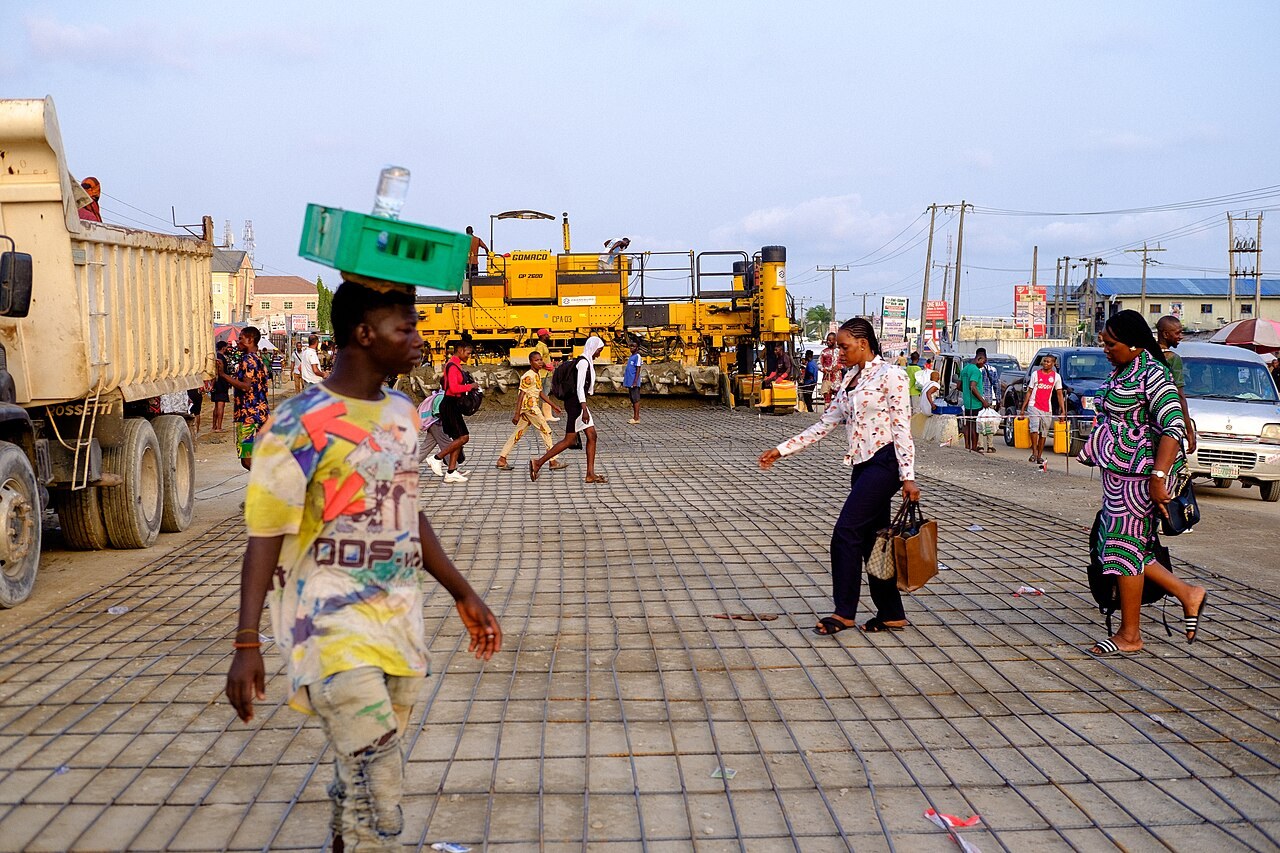
Nigeria’s Federal Executive Council has approved nine road projects, according to an October 28 Works Ministry statement. The announcement identifies interventions across several states, including routes in Ekiti and Kogi, the Bichi Ring Road in Kano and remedial work on the East-West Road.
The ministry also lists rehabilitation of the Sokoto–Illela Road and projects in Adamawa and Taraba. These are approval announcements. They should not be read as confirmation that every contract has been mobilised, every section completed or every route opened to traffic.
Road spending can connect producers to markets, but the commercial benefit depends on where delays actually occur. A repaired stretch may help less than expected if a damaged bridge, congested junction or unfinished connecting road continues to interrupt the journey.
Delivery reporting is therefore most useful when it identifies the precise section, scope of work and stage reached. A route name can cover a long corridor. Readers need to know whether an update concerns a full road, one contract section or a temporary repair.
Maintenance matters alongside construction. Drainage, overloaded vehicles and timely repairs can affect how long an improvement lasts. A project’s practical value includes the arrangements for keeping it usable after construction crews leave, as well as the initial opening.
Businesses and residents can now watch for procurement details, implementation timetables and verified progress on the named routes. The announcement signals a government commitment to transport investment. The eventual economic result will depend on completed connections that remain reliable for the people and goods using them.