Lagos governor Babajide Sanwo-Olu joined models presenting Ugo Monye’s collection at Lagos Fashion Week on Saturday, 31 October. Punch and Guardian reported the appearance on 1 November, identifying the Nigerian menswear designer and placing the governor’s participation in the closing evening of the main runway programme.
The official event guide independently lists Ugo Monye alongside Fruché in the 9pm–10pm programme on 31 October. Guardian places the presentation at the Federal Palace venue on Victoria Island. The schedule confirms the planned designer slot; the reporting and accompanying photographs document that Sanwo-Olu actually took part.
In a social-media statement reproduced by both newspapers, the governor presented the appearance as support for the people developing Lagos’s fashion and creative industries. That is his explanation of the gesture. A walk on the runway is not, by itself, evidence of new public funding, an investment agreement or a measurable increase in designers’ earnings.
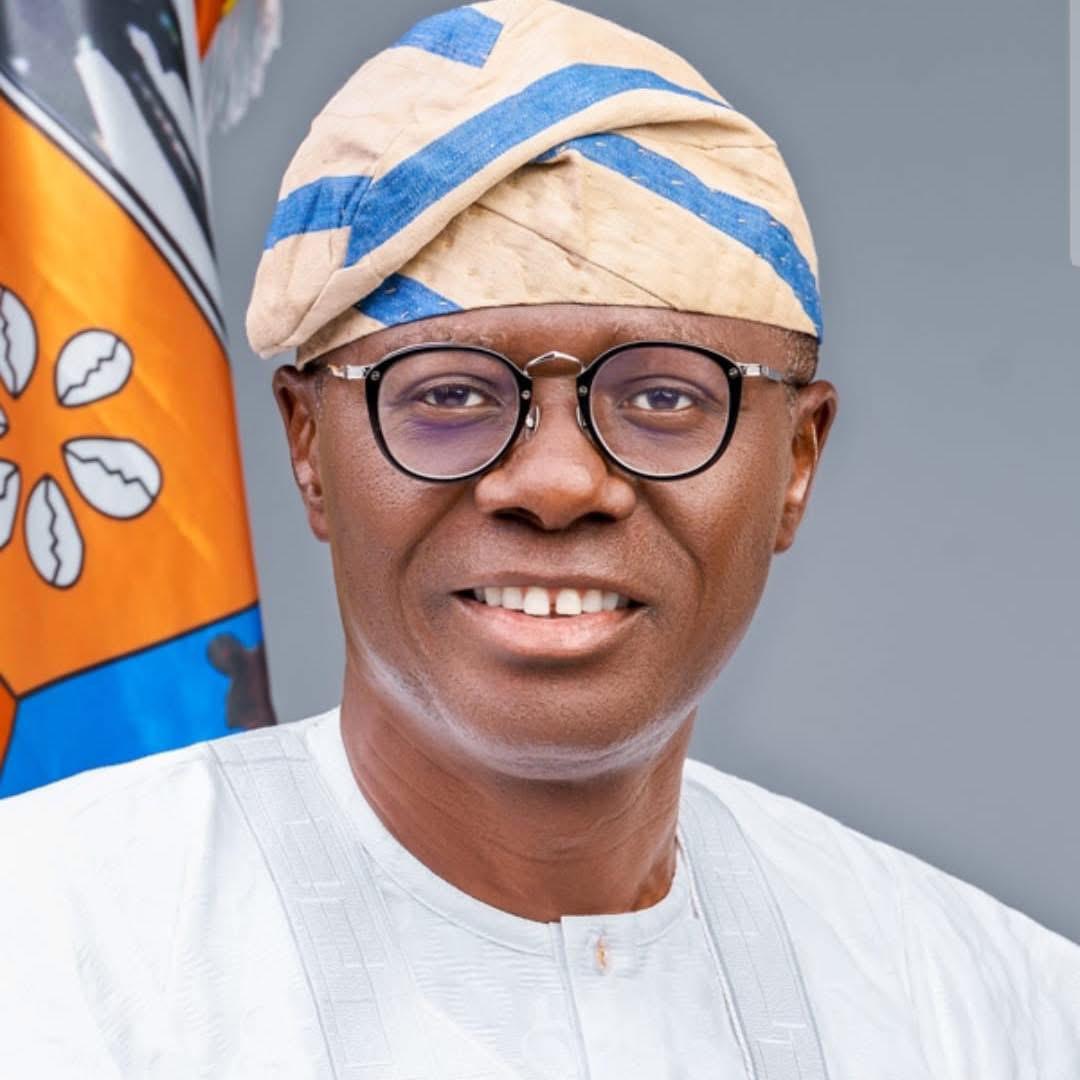
This was not his first appearance at the event. Guardian records an earlier walk for Emmy Kasbit in October 2023. Keeping those occasions separate matters: the older appearance involved another label, while the new reporting concerns Monye’s 2026 presentation. The archive portrait accompanying this report identifies the governor rather than showing either runway event.
The organisers’ calendar runs from 28 October to 1 November and shows that the gathering extends beyond catwalk presentations. It includes retail activity at several locations, showrooms for buyers and press, and discussions about business models, finance and the fashion industry. Some listed activities require invitations, so a place on the programme should not be read as an unrestricted public-entry offer.
The calendar schedules offsite presentations for Sunday, 1 November, after Saturday’s main runway shows. Those listings describe the programme; they do not establish that every later session has already happened. For Nigerian audiences, the governor’s appearance is a visible cultural moment, while the wider schedule explains how designers also seek customers, professional contacts and commercial opportunities around the shows.