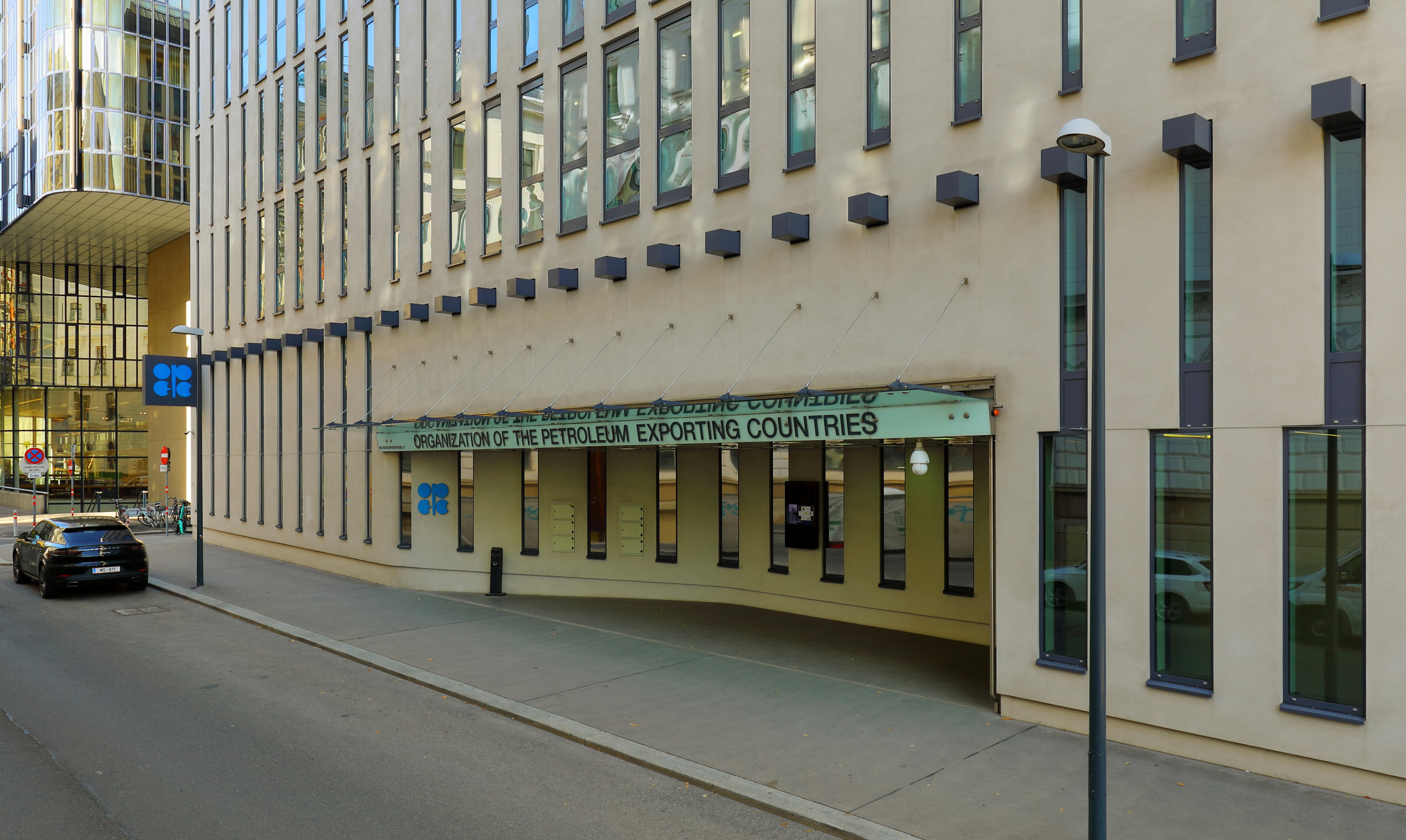
Seven OPEC+ producers agreed on Sunday, 1 November, to keep their required oil production levels for December 2026 at September levels. Nigeria was not among the seven countries named in the decision. The announcement therefore should not be read as a new Nigerian production quota, even though Nigeria belongs to OPEC.
Saudi Arabia, Russia, Iraq, Kuwait, Kazakhstan, Algeria and Oman met online to review the market and its outlook, according to OPEC. These are the countries covered by this particular statement, which refers to additional voluntary production adjustments announced in April and November 2023. Their decision maintains existing requirements rather than announcing a new December increase.
The published table gives Saudi Arabia a requirement of 10.478 million barrels a day, Russia 9.949 million and Iraq 4.431 million. Kuwait is listed at 2.676 million, Kazakhstan at 1.628 million, Algeria at 1.007 million and Oman at 841,000 barrels a day. These are production requirements for a future month, not measurements of oil already produced.
That distinction matters when interpreting headlines about oil supply. A target describes the level agreed under a production arrangement; it does not by itself show how many barrels reached the market. Reuters reported that several Gulf producers were still operating below their targets amid export disruptions. The unchanged table alone cannot establish actual December supply.
For Nigerian readers, the relevant connection is the wider producer organisation. OPEC records that Nigeria joined in 1971. But membership of OPEC and participation in this seven-country announcement are different things. The statement gives no new Nigerian allocation, no Nigerian export figure and no retail petrol price. It also does not provide a basis for promising a rise in Nigerian revenue or cheaper fuel.
The seven countries reaffirmed their commitment to comply with the Declaration of Cooperation and said monthly market reviews would continue. Their next meeting is scheduled for 29 November 2026. That is a future review date, not an announced policy change. For now, the confirmed development is the December hold by the seven named producers; decisions beyond it remain to be announced.