Sigenergy announced the West African introduction of its SigenStor Neo home energy-storage system in a 30 October statement tied to Nigeria Energy in Lagos. The announcement puts Nigeria at the centre of the regional launch, but it remains a manufacturer's account of the product. It is not an independent performance review.
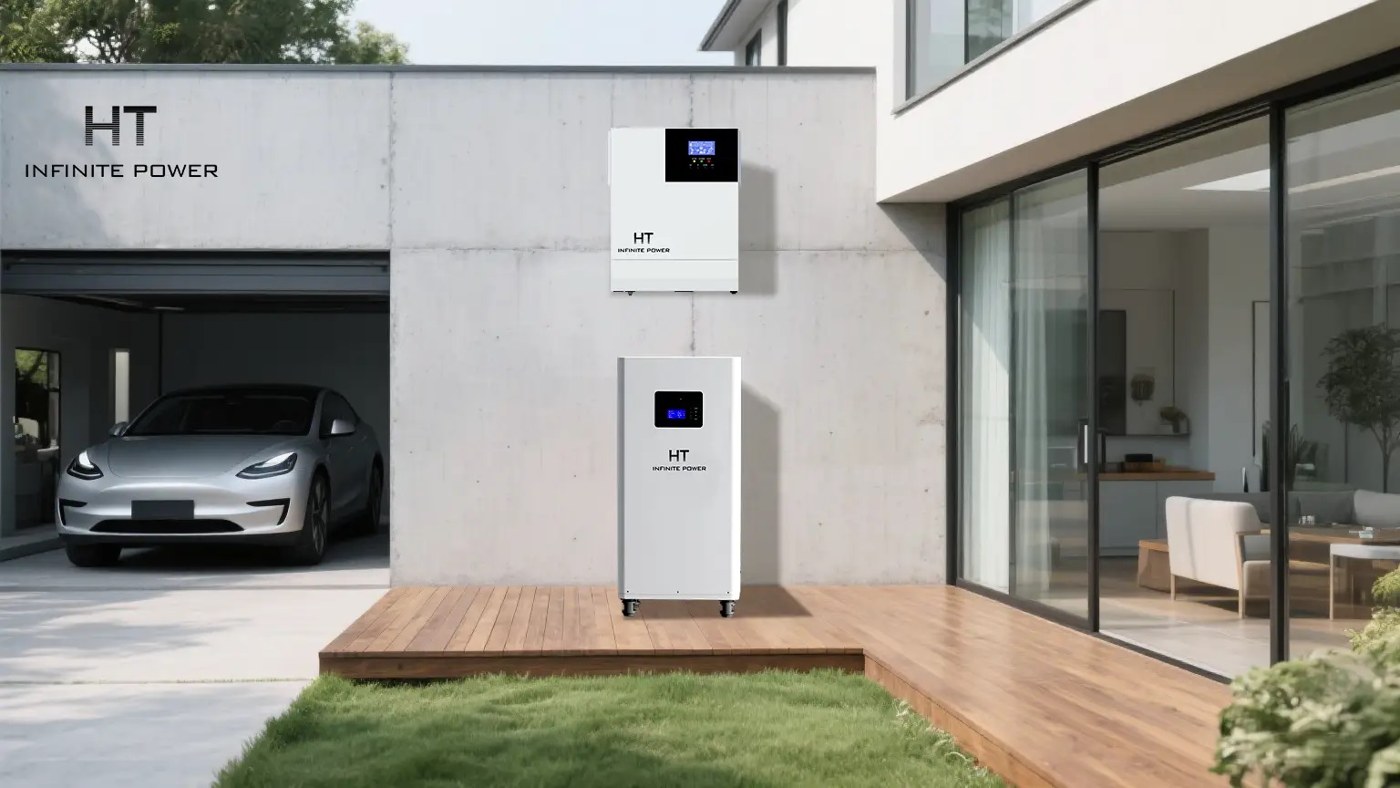
The company describes a combined battery, inverter and control system. A connection called Smart Port is intended to link compatible equipment, including other manufacturers' inverters, generators and electric-vehicle chargers. A separate Backup Port supports backup electricity. Compatibility is an important qualification: the announcement does not mean that every existing device can simply be connected.
Sigenergy says the system can accommodate up to six stacked battery modules and can combine compatible older and newer batteries. Its app-based software is intended to coordinate connected equipment around goals such as reducing costs or preserving backup supply. These are descriptions and claims from the supplier, not measured outcomes for Nigerian households.
That distinction matters when comparing a launch with a purchasing decision. A demonstration or announcement cannot by itself show how long a particular home's appliances will operate during an outage. A useful comparison would require the exact equipment configuration, the appliances being powered and the conditions under which any performance test was conducted. Those details prevent a headline specification from becoming an unrealistic household promise.
The release does not supply a Nigerian retail price, installation quotation or independently measured household savings. It also does not establish that orders have already been delivered to Nigerian customers. Buyers therefore cannot calculate an evidenced local payback period from this announcement alone. A quoted equipment price, if later supplied, would still need to be distinguished from the complete installed cost.
The verified development is a product introduction announced for the Nigerian market. The next useful evidence would be local availability, documented compatibility, installation and warranty terms, and independent operating results. Until those are available, the technology should be assessed as a manufacturer proposal with potentially useful features, rather than as proof that a particular family's electricity costs or outage problems have already been solved.