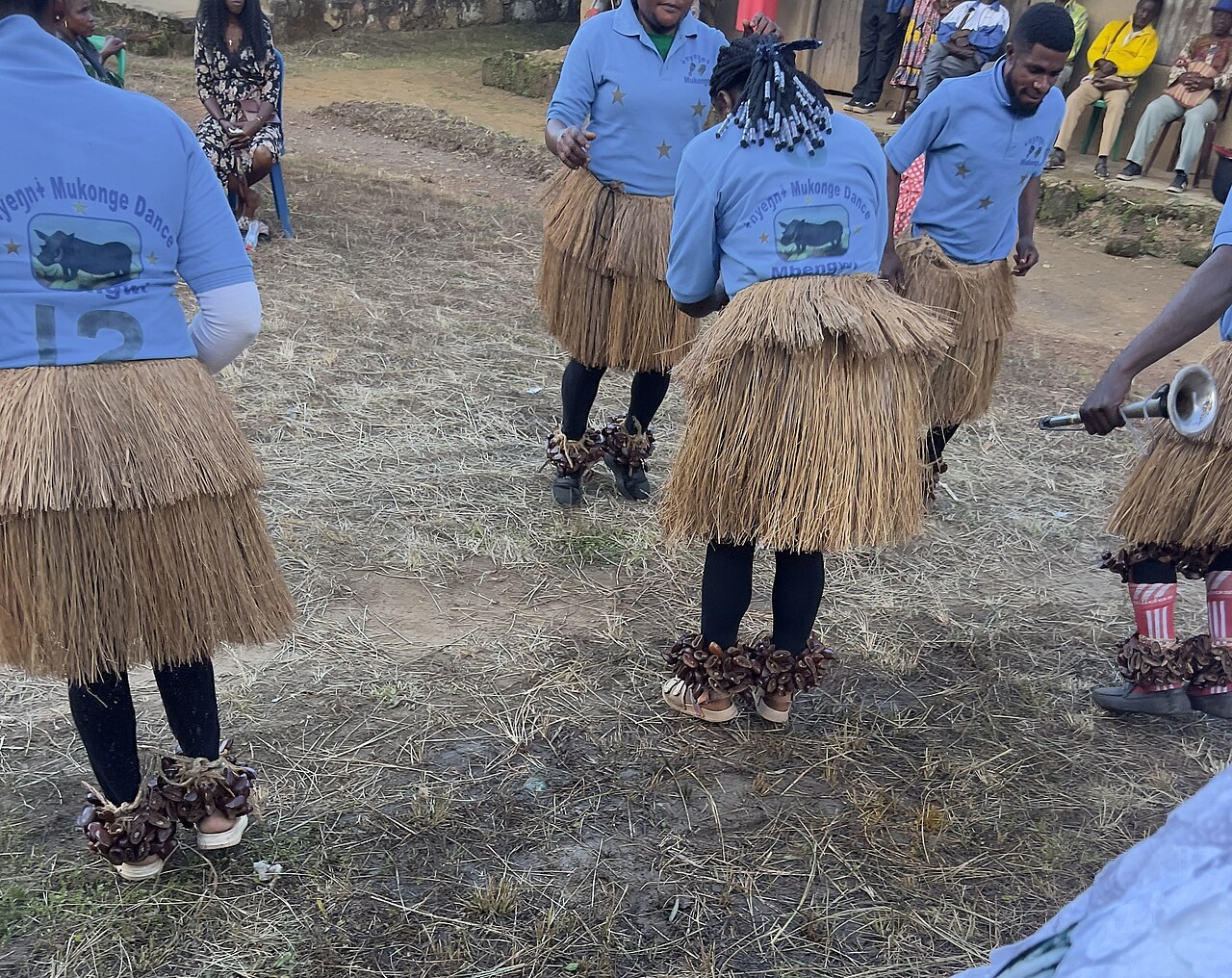
Global Voices report by Julienne Honba on August 26 follow July 26 dance gathering for Olem near Ebolowa, southern Cameroon. This na archive account of holiday events wey dem call bals dansants. Their importance dey for ordinary community space where music bring people together without big festival structure.
People come from nearby communities, Ebolowa and Yaounde. Some don dey attend every holiday; others follow friends discover am for first time. That mixture help tradition continue. Repeat visitors and newcomers fit share the event even when dem no get the same personal history with the village.
Informal event no mean say nobody organise am. Local team discuss practical things like space and safety, and dem fit need village chiefs before dem get suitable site. Dates fit familiar but location fit change. Behind smooth-looking dance night, people still need arrange permission and shared space.
Temporary bars and refreshment sellers join the evening. Their customers na the same people wey dey move between dance and conversation. Social gathering therefore create small earning chances. But the report no measure total economic contribution or how much profit each seller make.
Transport bring another limit. Honba report fewer night options and higher fares for people wey come from Ebolowa. Those observations belong to that event period; no be current transport-price guide. Person fit want attend but still struggle to reach venue when daytime services don reduce.
The wider culture point na say continuity depend on people doing the work to meet. Digital messages fit spread information, but dem no replace the shared physical space for Olem. Archive account show young people keeping that space through attendance, organising and everyday business, not only official festival programmes.