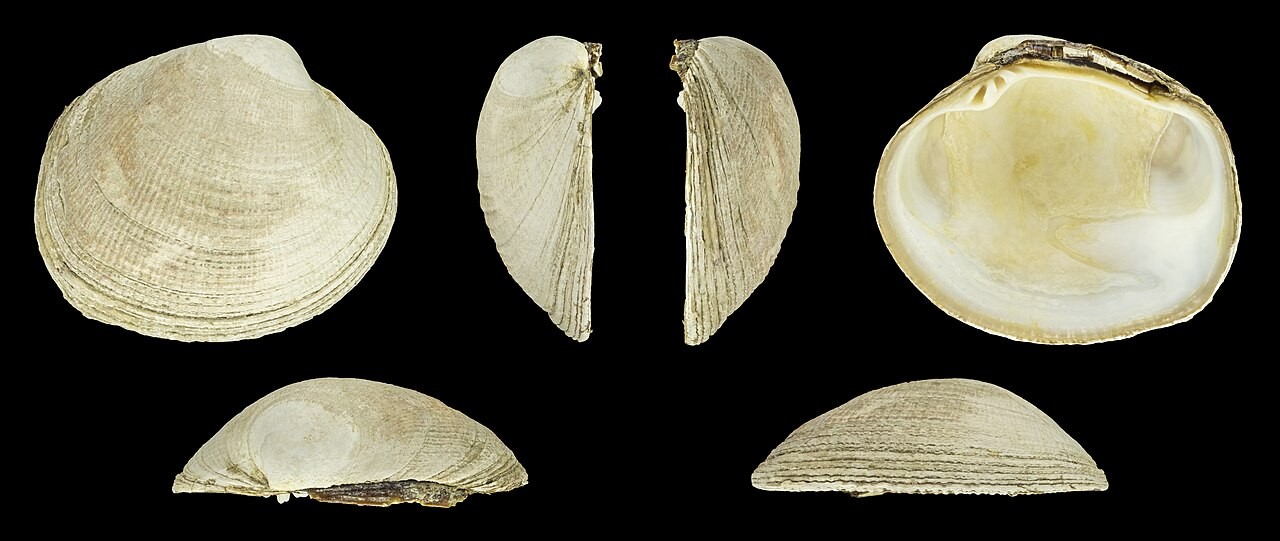
Small shell pieces wey researchers mix inside sand help young Pacific littleneck clams grow bigger shells for one UC Davis experiment wey dem describe on October 29. Di result concern conditions around animals inside sediment. E no mean say di method remove acidity from whole ocean.
Researchers follow di clams for 90 days under four conditions: normal or more acidic seawater, with shell pieces or without dem. When dem compare di groups, dem fit separate wetin di water treatment cause from di effect wey crushed shells add to di experiment.
Di shell pieces change di water wey dey inside tiny spaces between sand grains. Dat local chemistry matter because animal wey burrow into sand experience conditions there, not only di open water above. Di study therefore look closely at di immediate environment where di clams dey live.
Di team still examine gene activity for tissue wey dem collect at di end. Clams inside acidic water with shell pieces get patterns similar to clams for normal conditions. Na evidence about how genes dey work, not proof say di animals gain new genes or permanent protection from environmental change.
Di university connect di research to Indigenous coastal practices wey don use shell material for long. Dis point important: laboratory research fit explain why an existing practice dey work without claiming say scientists just invent di practice for di first time.
Di finding support more study of how people fit manage local habitats. Whether e go useful outside laboratory depend on location, animal species and conditions. E give specific connection between sediment chemistry and clam growth, while di bigger problem of ocean acidification still remain for researchers and coastal communities.