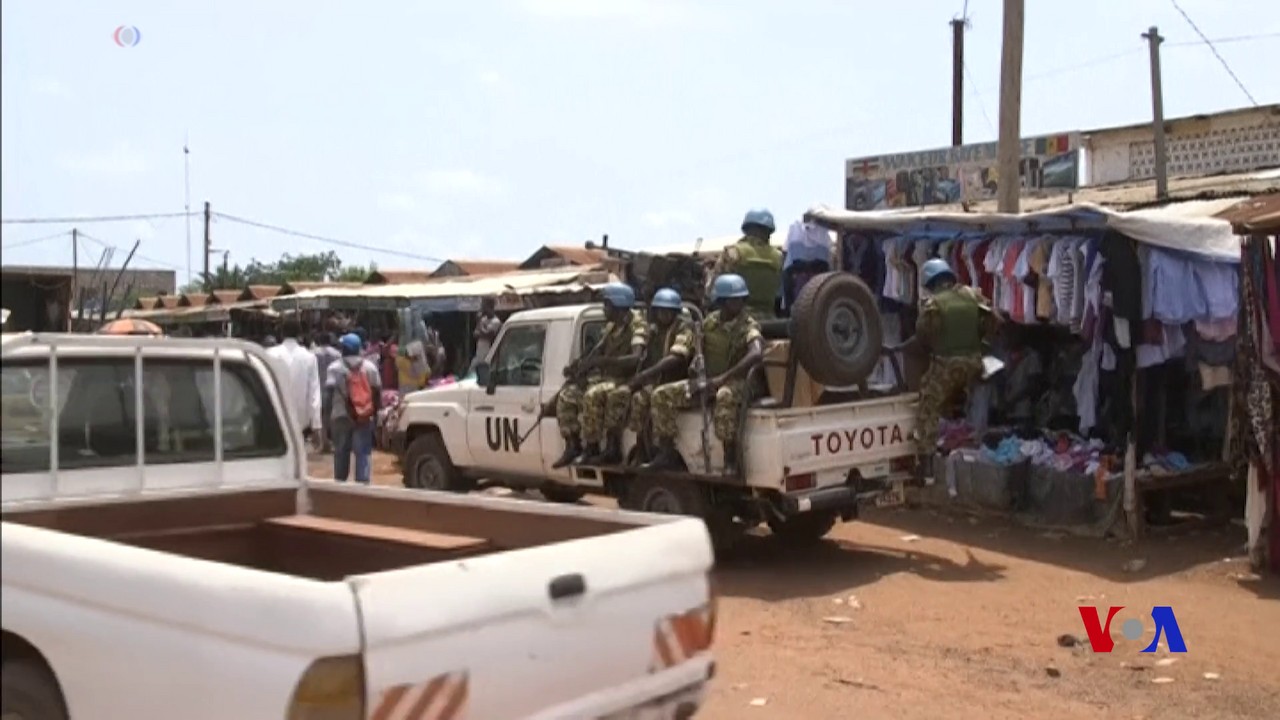
The United Nations has urged the Security Council to preserve the Central African Republic mission's ability to respond quickly while considering its next mandate. In an October 20 briefing, envoy Valentine Rugwabiza linked the transition debate to instability along borders affected by Sudan's war.
MINUSCA has already closed some bases in areas judged sufficiently stable and transferred responsibilities to national authorities. Rugwabiza said initial assessments found no major security deterioration in those localities. The reorganisation nevertheless depends on long-range patrols and stronger national forces, according to her account.
The briefing also described progress in disarmament. Since July 2025, 1,907 fighters had been disarmed and demobilised. Economic reintegration remained difficult, however, showing that handing in weapons and establishing a sustainable civilian livelihood are separate parts of the peace process.
Humanitarian needs add pressure to that transition. UN News reported that nearly two million people faced acute food insecurity between April and August. At the beginning of October, the humanitarian response plan was 46.6 percent funded; both figures belong to those stated periods.
Rugwabiza asked for adequate force levels and capabilities during consolidation. The Secretary-General recommended a one-year mandate extension while retaining rapid-response capacity. Those were proposals before the Council, rather than a report that members had already adopted the requested renewal.
The decision concerns how responsibilities can shift while protection and assistance continue. Base closures alone do not describe the full operational change: patrol reach, national capacity, reintegration and aid resources all feature in the UN's account of what is needed to sustain progress.