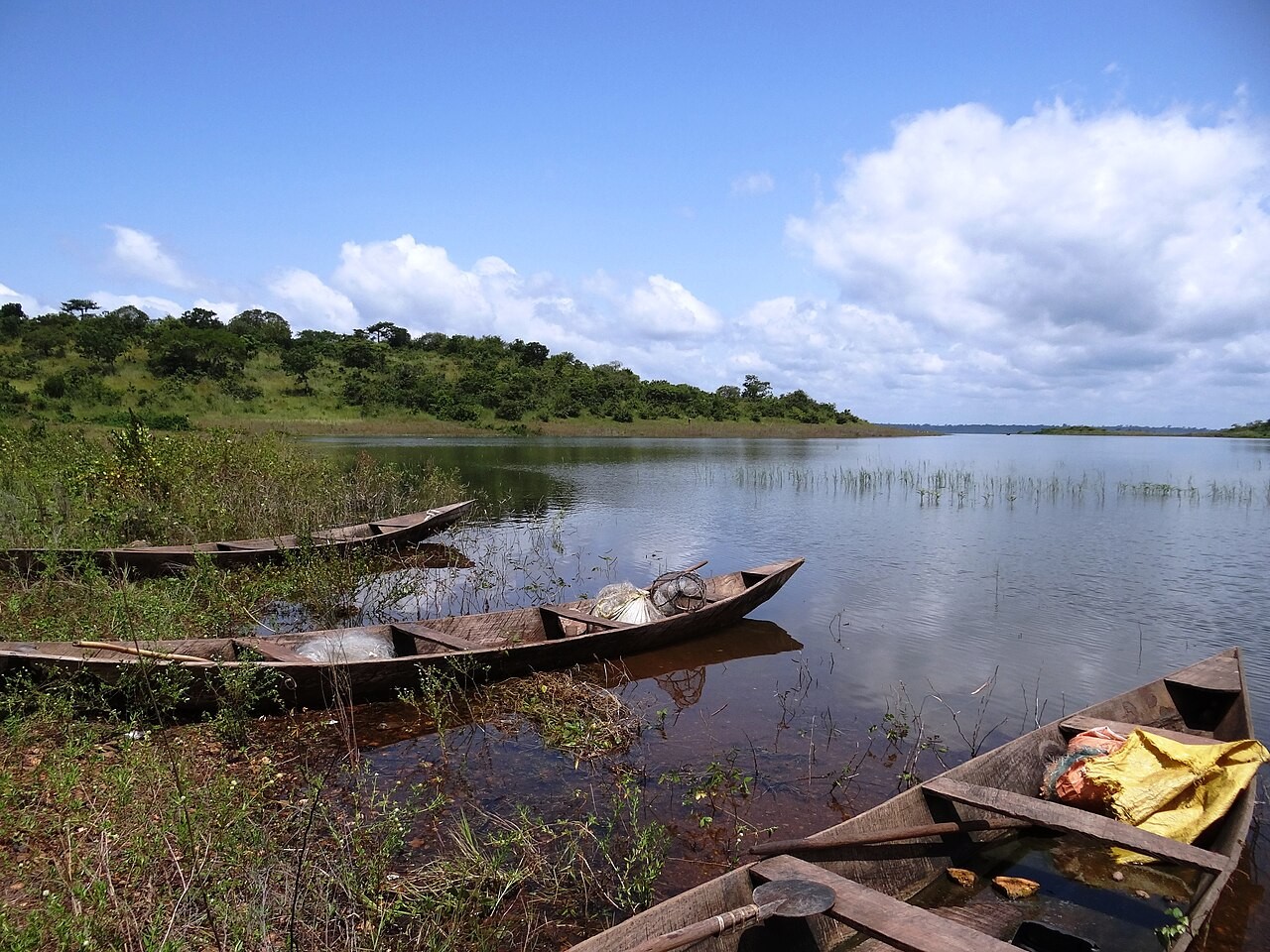
A repaired water source in northern Côte d'Ivoire is giving farmers and cattle herders more room to work together. A UN News report published on 10 October describes how a rehabilitated agropastoral dam in Torla, completed in August, is supporting irrigation and livestock through the dry season.
The pressure had been straightforward but difficult to resolve. When nearby water and grazing areas dried out, herders moved animals farther from the village, sometimes across cultivated land. Damaged crops then became a source of disagreement between people whose incomes depended on different uses of the same landscape.
Residents interviewed by the UN said more reliable water was helping change that relationship. Herders' association leader Adam Ouattara described increased discussion with farmers. Vegetable grower Makongo Traoré said she had expanded her plot, connecting steadier production with the ability to support her children's schooling.
The community manages the dam, with support from the International Organization for Migration, the UN Peacebuilding Fund and partners. That arrangement makes local decisions about shared resources part of the project. Construction alone does not explain how different users will agree on access when demand rises again.
The account offers a concrete example of infrastructure serving both livelihoods and cooperation. Its evidence is local testimony, however: the report provides no independently measured percentage reduction in disputes. The residents' experiences should therefore be understood as reported improvements in Torla, rather than proof that one dam can resolve wider regional tensions.
The practical issue to watch is whether the community can maintain the water supply and the discussions around it through future dry seasons. For households combining herding and cultivation, the two needs are closely connected. A dependable source can reduce pressure, while agreed management helps different livelihoods benefit from the investment.