A September UNICEF operation in South Sudan illustrates both the value and the limits of reaching communities after a long interruption. UN News reported on 14 September that teams delivered assistance in Jonglei state, where conflict and unsafe routes had cut families off from services.
Through its Rapid Response Mechanism, UNICEF delivered more than eight tonnes of supplies to Wiechjol in Akobo County and Waat in Nyirol County. The shipment included nutrition supplies, water-treatment materials, hygiene kits and medical items, according to the agency's account.
Water and sanitation teams provided filters and purification supplies to 1,200 families. Another 200 women and girls received dignity and hygiene kits. These figures describe the reach reported for that operation, rather than a measure of every household's needs across Jonglei.
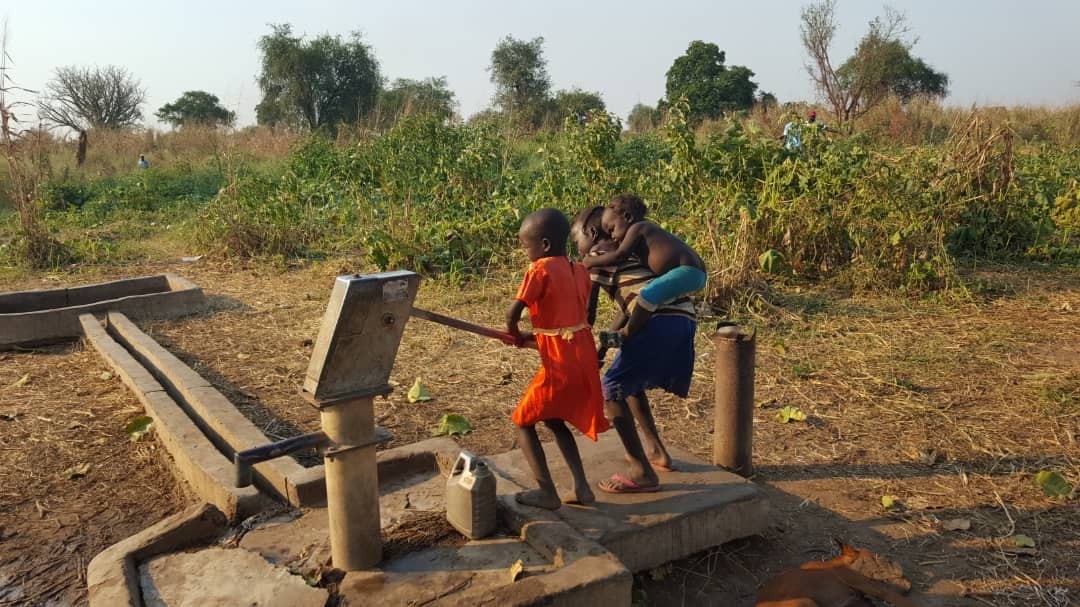
UNICEF said some families had received no humanitarian assistance for months. The report also described damaged water infrastructure and interrupted health services. Bringing supplies to an isolated location can address immediate gaps, while the condition of local systems continues to shape daily life afterwards.
That distinction is central to the access problem. A successful mission establishes that a team reached a place at a particular time; it does not guarantee a dependable route for future deliveries or restore every service that conflict has interrupted.
The September account therefore points towards continuity as the next test: whether teams can return, supplies can be replenished and local services can function. It offers evidence of a specific intervention, with clearly identified locations, while leaving the wider challenge of sustained access unresolved.