Drought and conflict are combining to deepen food insecurity in Sudan, according to an IPC alert reported by UN News on 12 October. The warning focuses on Greater Darfur and Greater Kordofan, where difficulties growing food coincide with barriers to delivering assistance.
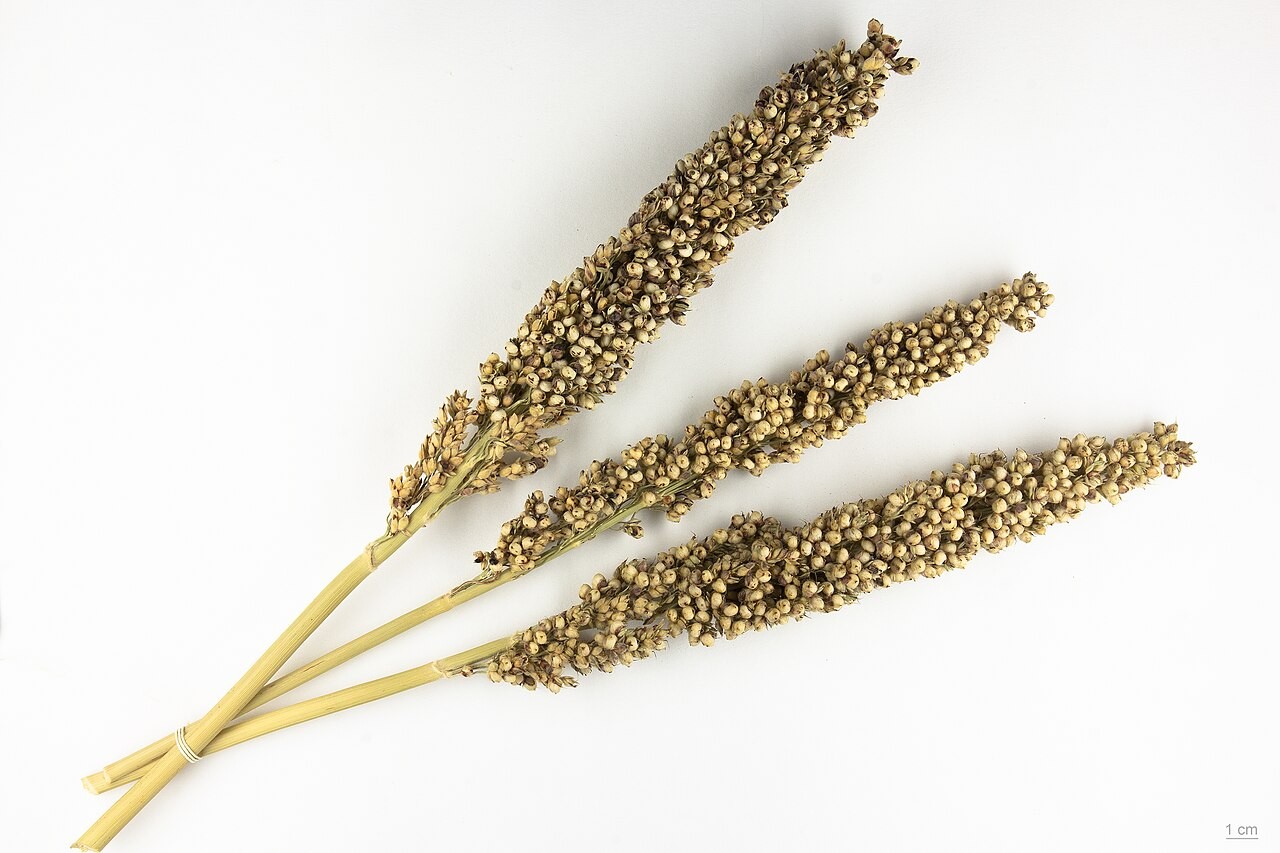
The alert said drought covered more than half the country. In North Darfur,64 percent of cropland showed poor plant growth. Rain arrived in late September, but the monitor judged it too late to rescue most cereal crops, limiting the benefit for that agricultural season.
Lost crops affect both household food supplies and income. The alert also expected cereal prices to rise further. That was a forecast, rather than a recorded future price, but it explains why damaged harvests can matter even to families that obtain food through markets.
Conflict has made the pressure harder to manage. The alert reported more than 300,000 people displaced in Greater Kordofan since October 2025. Moving from home can interrupt cultivation and access to familiar markets, while insecurity restricts the routes that humanitarian organisations can use.
As of 8 October, less than half of Sudan's humanitarian appeal had been funded. The alert called for safe, sustained access, particularly in North and West Kordofan, alongside large-scale flexible funding. Available money and usable routes are both necessary for a response to reach people.
The IPC Famine Review Committee also stressed that survey data were insufficient for a full analysis. Its warning should therefore be read with that limitation intact: the evidence indicated a worsening emergency, without providing a complete new classification for every affected locality across Sudan.