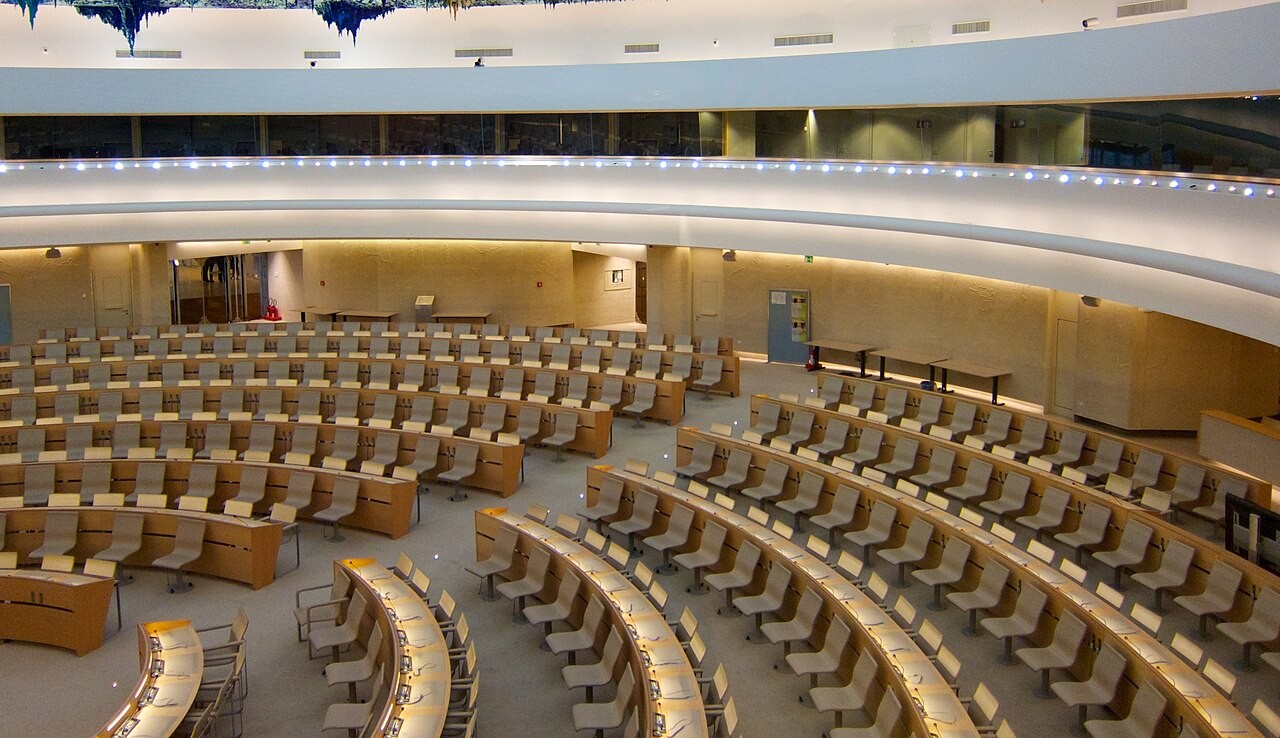
International partners met in Geneva on 21 October to coordinate efforts towards a ceasefire in Sudan and discuss the humanitarian crisis. UN News reported that nearly two dozen countries took part in the meeting, which was co-hosted by the United Nations and Switzerland.
The format is important. Neither the Sudanese Government nor the Rapid Support Forces was represented, because the mechanism was established for mediators to coordinate their work. It should therefore be understood as a meeting among intermediaries, rather than direct negotiations between the fighting parties.
UN envoy Pekka Haavisto asked participants to identify practical steps towards de-escalation and use their contacts to build confidence. He also described the aim of supporting a Sudanese-led political transition through inclusive dialogue, with attention to the country's different voices and experiences.
The meeting followed humanitarian discussions in Geneva involving delegations, senior UN officials and organisations working in Sudan, including the International Committee of the Red Cross and the Sudan INGO Forum. That sequence placed the delivery of assistance alongside diplomatic coordination.
Swiss State Secretary Alexandre Fasel emphasised that protection of civilians and humanitarian access should not wait for a ceasefire or political settlement. This was a call to act on urgent needs while negotiations continued, not an announcement that access barriers had already been removed.
The report establishes that coordination was taking place, but provides no signed ceasefire or completed political agreement. The useful follow-up is whether the discussions produce specific changes in access, restraint and engagement. A diplomatic meeting can create a channel for those changes; its occurrence alone does not demonstrate their delivery.