Protecting a fishing lake requires looking beyond the place where boats meet the water. That is the central lesson of an August UN News report from Nkondo in Uganda's Kikuube district, where Lake Albert supports food and income. This analysis draws on that dated account rather than presenting a fresh survey of water quality.
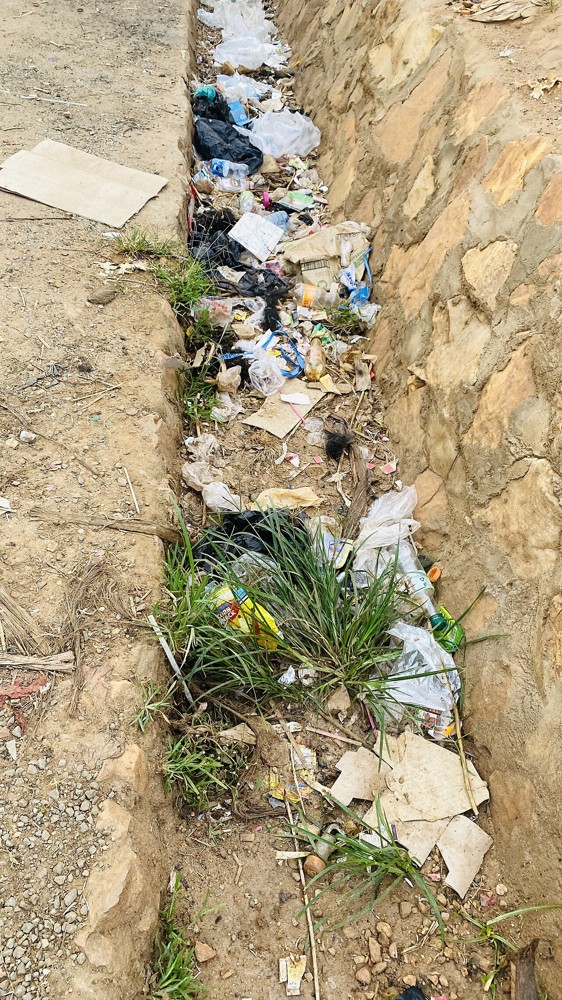
Fishing-community leader Solomon Wamara warned that discarded plastic and other waste could harm areas where fish breed. He also identified the Wambaya, Waki and Nguse rivers as pathways carrying pollution towards the lake. The concern therefore extends from the shoreline into the land and settlements connected to those waterways.
Wamara supported regular community cleaning campaigns, while arguing that conservation should take fishing households' finances into account. That combination matters: waste collection is a practical activity, but the people expected to participate also need a sustainable livelihood. Environmental responsibility and household income are connected rather than competing subjects.
District commissioner Godwin Angalia described efforts to protect feeding rivers and Bugoma Forest, as well as community committees intended to assist fisheries management. Fishers' knowledge can help identify local conditions and the consequences of harvesting young fish. Involving them also creates a channel for discussing rules and problems affecting their work.
The report records community concerns and officials' descriptions of action. It does not provide a new laboratory measurement of contamination, a quantified fall in fish stocks or proof that a particular cleanup has restored breeding habitat. Those would require different evidence from the interviews presented.
Lake Albert's case is useful because it places conservation at the scale of a connected water system. Cleaning one landing place cannot by itself address waste arriving from upstream. The practical challenge is to coordinate households, fishers and authorities across that system while checking whether their efforts actually improve environmental conditions over time.