Uganda is strengthening the scientific work that connects suspected wildlife products with reliable identification. UN News reported on 3 October that the Wildlife Forensics and Timber Laboratory in Entebbe is helping investigators examine material whose original features may have been removed or altered during illegal trade.
The facility builds on a wildlife forensics pilot established in 2019 with government and international partners. Its development has received support from the UN Office on Drugs and Crime, Denmark and the European Union. The current laboratory expanded its scope to timber forensics in April, adding a different identification challenge.
A sample's journey matters as much as the equipment used to examine it. Scientists photograph exhibits, document sampling and seal material for transport. Large seizures may require collection at police stations rather than moving every item to Entebbe. These procedures help preserve the connection between an exhibit and the result produced in a laboratory.
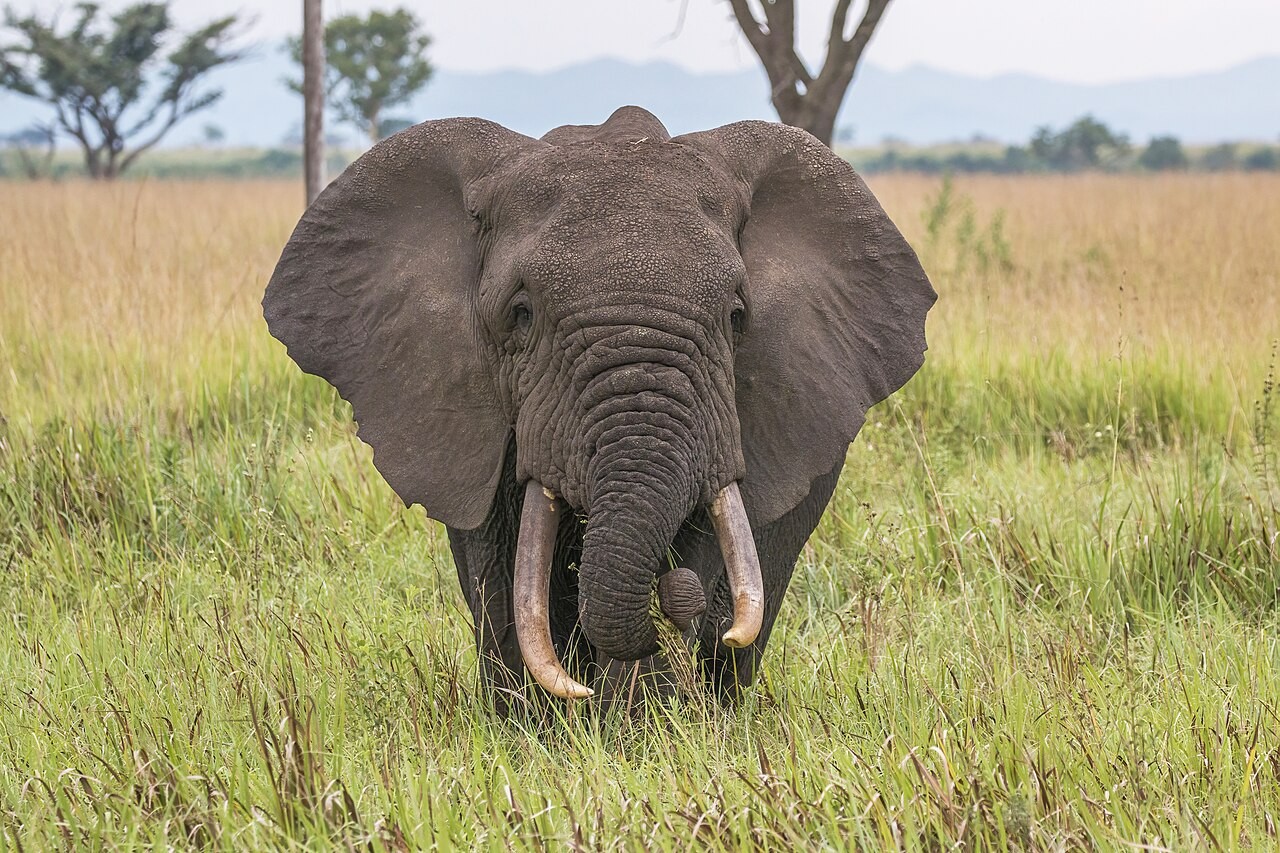
DNA testing can distinguish species when meat, skins or ivory fragments cannot be confidently identified by appearance. Laboratory manager Patrick Chiyo described work involving elephant ivory, pangolin scales and bushmeat. Identifying a species provides evidence for an investigation; it does not by itself establish every person's role in a trading network.
Timber presents another complication because some harvesting is lawful. Chiyo told UN News that identifying wood and establishing whether it was illegally obtained can involve different questions. The new timber work should therefore not be treated as a simple copy of the laboratory's wildlife procedures.
The broader conservation lesson is that enforcement needs dependable information as well as field patrols. The laboratory's future value will depend on sustained support, careful evidence handling and links between institutions. Chiyo also emphasised livelihoods and prevention, placing science within a wider response rather than presenting laboratory capacity as a complete solution.