Ahmed Zewail received the 1999 Nobel Prize in Chemistry for research using femtosecond spectroscopy to investigate chemical reactions. The achievement concerns how scientists observe change at extraordinarily short timescales. It is a historical scientific milestone, not a claim that a new discovery or award has been announced in 2026.
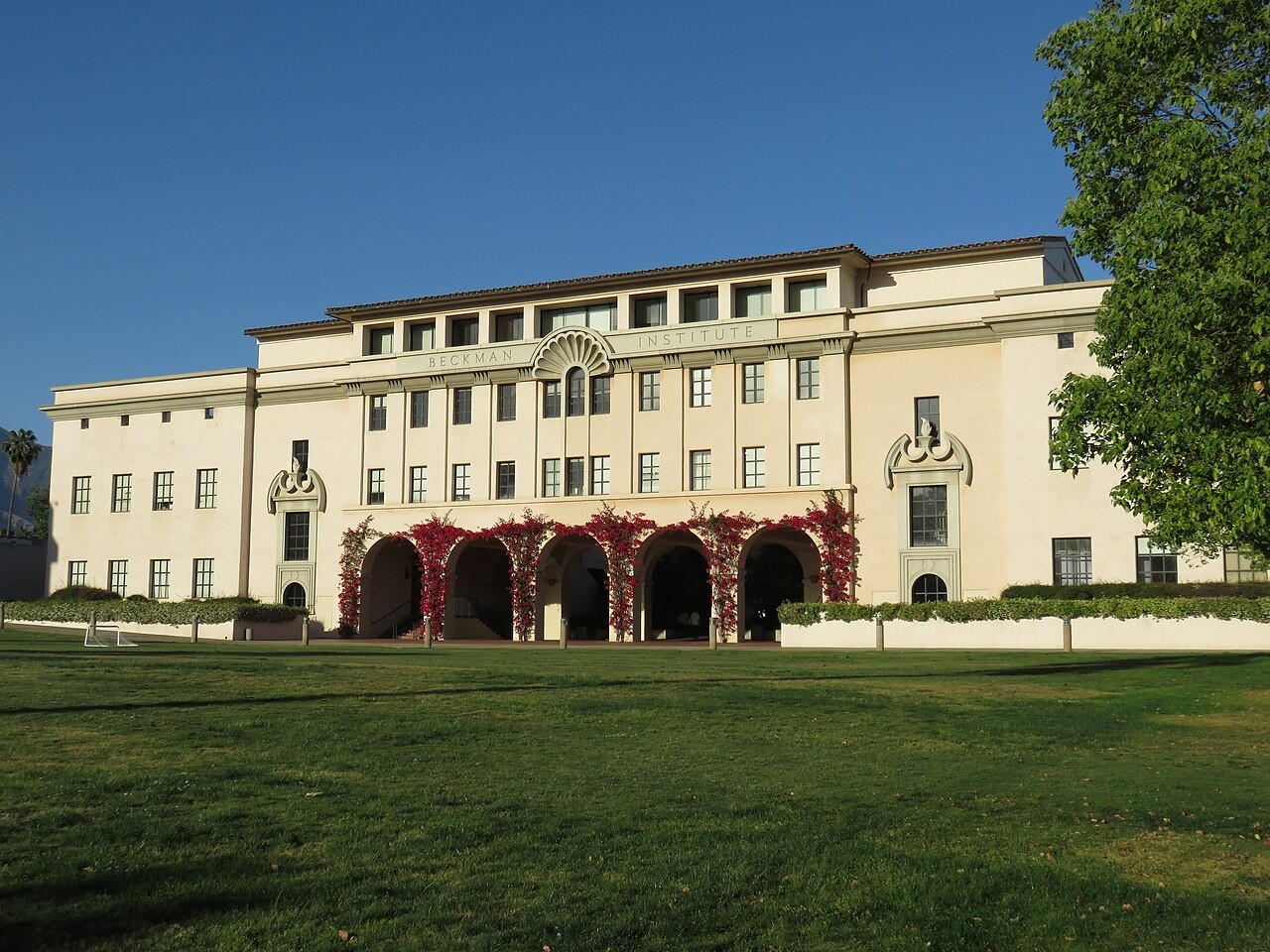
Zewail was born in Damanhur, Egypt, in 1946 and studied at Alexandria University before continuing his education in the United States. His career later took him to the California Institute of Technology in 1976. The Nobel record places him at Caltech when he received the prize.
A femtosecond is one millionth of one billionth of a second. At such intervals, atoms can rearrange while chemical bonds form or break. An ordinary description of ingredients and final products therefore leaves out a crucial question: what happens during the transition between those states?
Zewail's methods used extremely short laser pulses to investigate that interval. The Nobel account describes developments in the late 1980s that allowed reactions to be mapped in greater detail. The advance was a way of measuring rapid processes, rather than a familiar camera simply taking a smaller photograph.
For students, the work offers a useful example of how instruments change the questions science can ask. Knowing that a reaction occurs is different from examining its progress. A better measurement method can turn an apparently instantaneous event into a sequence that researchers can investigate.
The 1999 honour also connects an Egyptian educational beginning with an international research career. Both belong in the story. Celebrating the scientist need not hide the laboratories, training and technical knowledge that make demanding experiments possible; those are precisely the foundations future researchers need to build upon.