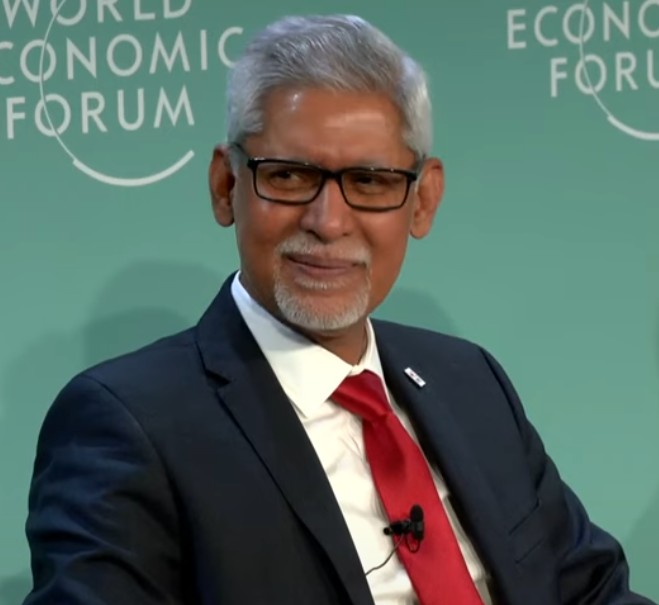
African Union and Red Cross federation leaders used a meeting in Addis Ababa on 3 November to argue for stronger food systems alongside emergency hunger relief. An AU readout says Commission chairperson Mahmoud Ali Youssouf met Jagan Chapagain, secretary general of the International Federation of Red Cross and Red Crescent Societies, during the continental hunger gathering.
Their discussion covered farming that can withstand climate shocks, trade within Africa, transport connections and the chains that carry agricultural products from producers to consumers. Youssouf also raised the potential of artificial intelligence in farming, health monitoring and humanitarian work. These were priorities discussed by the leaders, rather than evidence that new technology has already solved those problems.
The convening was organised with Lesotho, whose King Letsie III holds nutrition and food-security champion roles. Its programme emphasised investment in water, livelihoods, nutrition and community preparedness. The underlying distinction matters: emergency assistance can keep people alive during a crisis, while longer-term investment aims to reduce the damage when the next shock arrives.
In his published keynote, Letsie said the continent should move from repeated emergency responses towards prevention and stronger local institutions. He linked the discussion to the AU agricultural strategy for 2026–2035, which includes a zero-hunger ambition for 2035. He stressed implementation and credible investment; the target is a future commitment, not a declaration that hunger has ended.
What it means for you: for Nigerian readers following food costs and household resilience, the useful test is what follows at country and community level. Water systems, reliable food supply and support for livelihoods matter more than the meeting's title. The documents reviewed do not announce a new Nigerian cash payment, application portal or deadline for households.
The AU readout also describes cooperation on community health, the proposed African Humanitarian Agency and readiness for climate-related emergencies. Those areas connect food security with wider public services. Whether the discussion produces funded programmes and measurable local benefits will require further reporting. No new Nigerian allocation or completed project is established by the material published for this meeting.