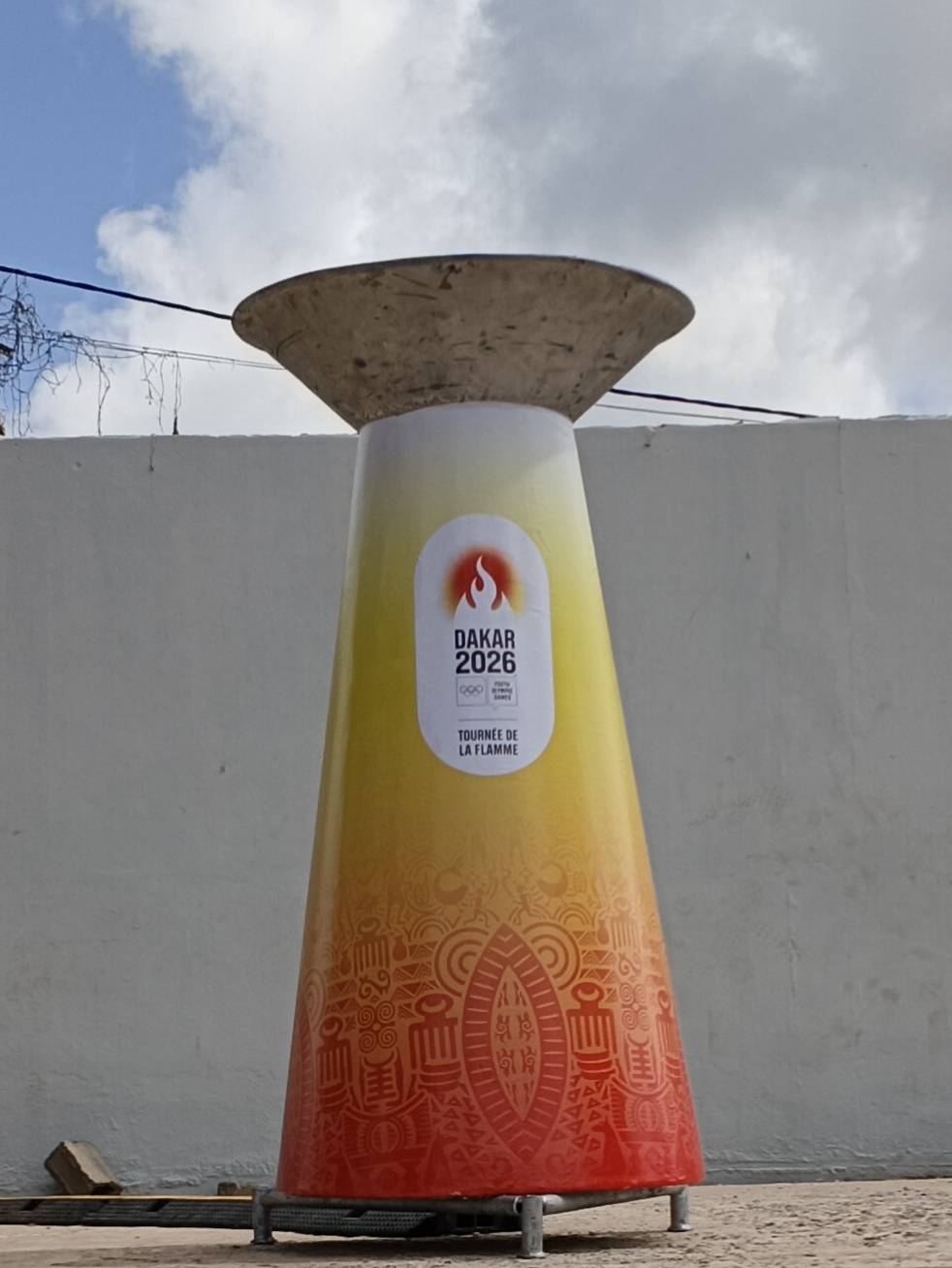
Africa has hosted the opening of an Olympic sporting event for the first time. The Dakar 2026 Youth Olympic Games officially opened in Senegal on Saturday, 31 October, the International Olympic Committee confirmed. The achievement concerns the Youth Olympics: it should not be confused with hosting the senior Summer Olympic Games.
Senegalese President Bassirou Diomaye Faye declared the Games open at the Abdoulaye Wade Stadium in Diamniadio. The Olympic cauldron was subsequently lit. The ceremony placed African music, dance and storytelling alongside the athletes’ welcome. Nigeria also had a cultural presence: the IOC listed spoken-word performer IB Quake among the participating artists.
For Nigerian readers, the sporting interest extends beyond the ceremony. A National Sports Commission statement published on 28 October listed 19 athletes for six sports, comprising 12 women and seven men. Their programme covers athletics, boxing, road cycling, swimming, table tennis and beach volleyball. This was the announced team selection; it is not a report of medals won.
Rosemary Nwankwo and Matthew Kuti were among the athletes highlighted in that statement. Athletics accounted for nine selections, while swimming had four. The commission also named a two-athlete women’s beach-volleyball team. These details show the breadth of Nigeria’s planned participation, with opportunities extending from the running track to the pool and the beach.
The Games are scheduled to continue through 13 November across Dakar, Diamniadio and Saly. Organisers distinguish 25 competition sports from 10 engagement sports, alongside education and cultural activities. The two groups should not be combined into a claim that all 35 sports award competition medals. The opening milestone is confirmed; the remaining programme still lies ahead.
Dakar is staging the fourth Summer Youth Olympic Games, following Singapore in 2010, Nanjing in 2014 and Buenos Aires in 2018. Bringing this event to West Africa gives the region a different role in the Olympic story: hosting as well as sending athletes. The lasting sporting benefit will depend on what follows the ceremony, including the competitors’ experience and continued opportunities for young people.