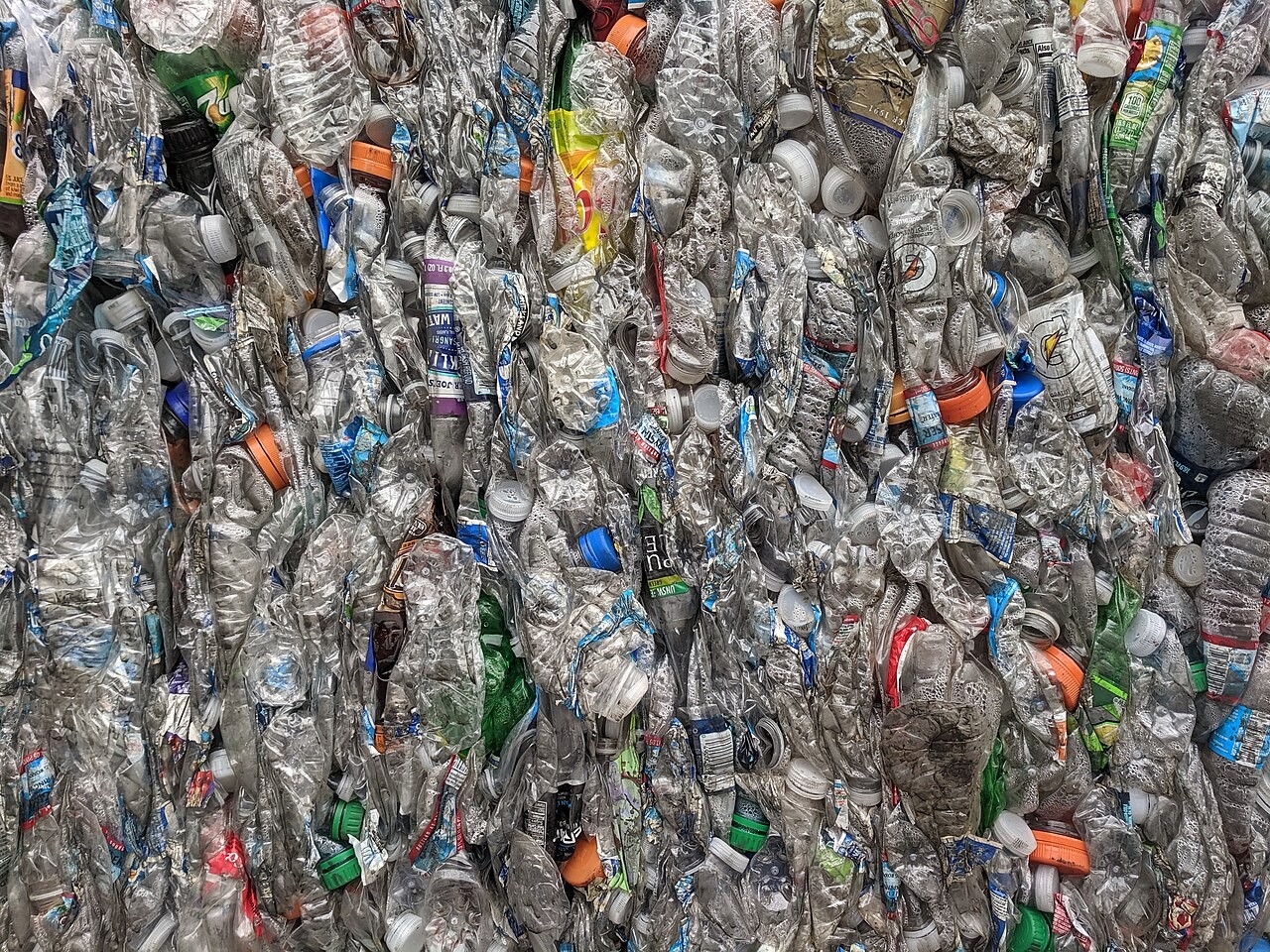
An MIT spinout is turning discarded plastic into components for buildings and infrastructure, according to a university report published on September 14. Atlas Building Composites is commercialising work associated with MIT HAUS, a research initiative focused on manufacturing and housing.
The process described starts by shredding plastic, then melting it and combining it with fiberglass reinforcement. Large-scale additive manufacturing shapes the resulting composite into parts. The material is therefore an engineered mixture, rather than a building element made simply by stacking unmodified bottles.
The report identifies existing applications including decks and sheds, and describes composite trusses supplied for a bridge in a Massachusetts wetland. That offers a concrete example beyond a laboratory sample, while still leaving questions about how the approach performs across other building types and locations.
The company highlights waterless recycling and hopes to place production systems close to the communities using their output. These are elements of its process and business strategy. Plans for widespread factories should be distinguished from a verified count of factories already operating around the world.
Turning waste into a durable component joins two separate tasks: processing a variable feedstock and meeting the requirements of a structural part. An attractive recycling story does not by itself settle questions about design approval, long-term performance, maintenance or what happens when a component eventually leaves service.
The useful development is a manufacturing route with reported practical applications, not proof that plastic waste or housing shortages have been solved. Further deployment can test the founders' local-production vision. For readers, the key is to separate demonstrated components, company performance claims and ambitions for future scale.