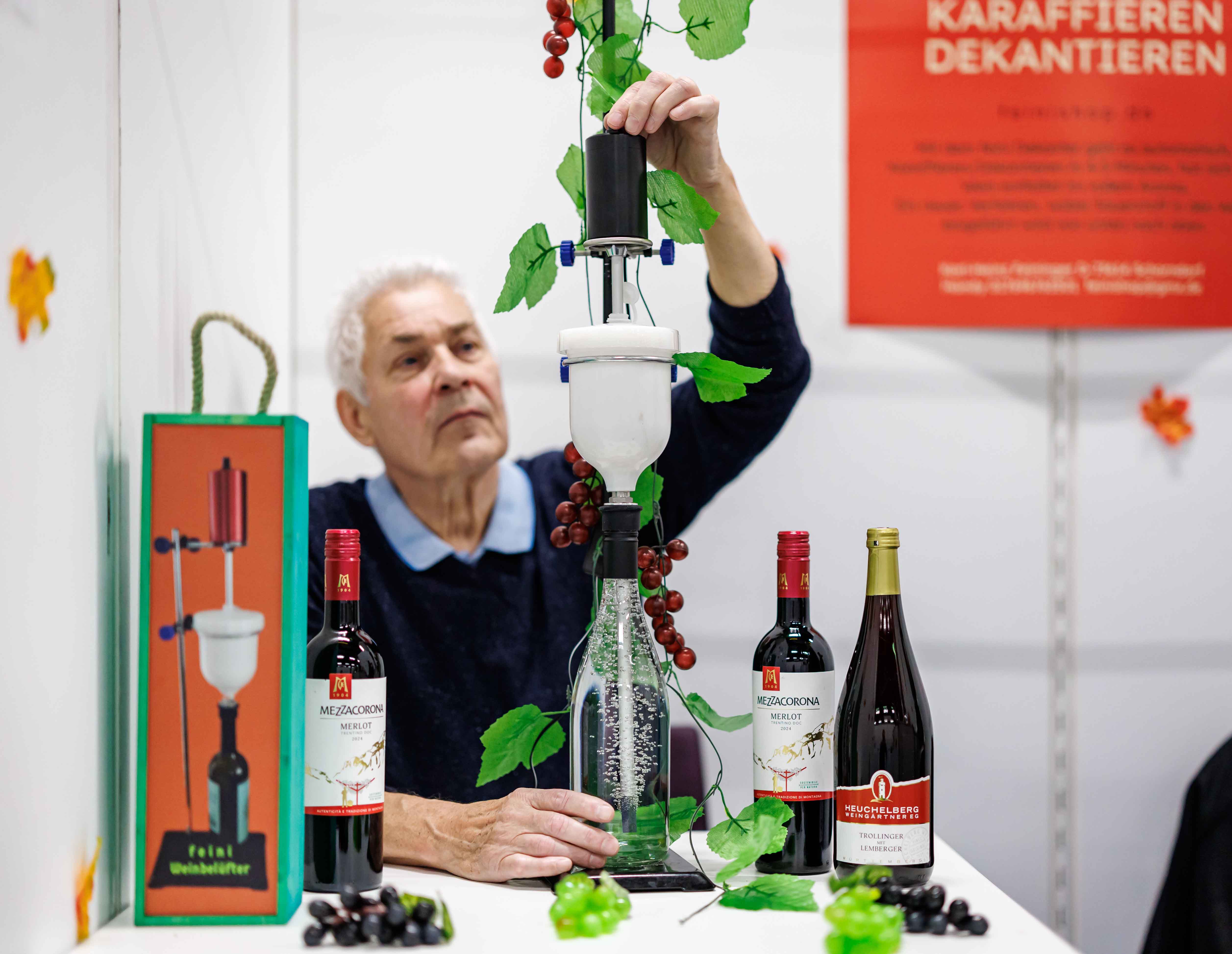
The iENA invention fair opened in Nuremberg, Germany, on 31 October 2026 and is scheduled to continue through 2 November. Its organiser lists 580 inventions, 340 exhibitors and 21 participating countries and regions. The exhibition brings inventors into contact with prospective manufacturers and commercial partners; appearing on a stand does not by itself establish that a product is ready for sale or has passed independent testing.
The organiser’s country list includes Algeria, Angola and Uganda. Nigeria is not on that published list, so this report does not claim a Nigerian delegation or Nigerian prize winner. Saudi Arabia is the partner country for the 2026 edition. The range of exhibits spans everyday products, transport, construction, electrical engineering, information technology, teaching and research.
Environmental protection and energy technology are prominent themes, according to the organiser. Xinhua’s opening-day report also identifies artificial intelligence and sustainable solutions among the main subjects. These descriptions concern what exhibitors are presenting. They are not independent confirmation that every proposed energy-saving device, material or software system delivers its advertised benefits.
The fair’s earlier official announcement says many developments remain at the pre-launch stage. That is a useful distinction for readers encountering dramatic invention headlines online: a prototype, a patent, a demonstration and a commercially available product describe different stages. The organiser says the exhibition is intended to help inventors find partners and obtain feedback, rather than guarantee a successful business.
The accompanying Nuremberg Innovation Congress is scheduled for 2 November, with artificial intelligence and collaborative innovation among its topics. This is a planned programme, not a claim that the congress has already concluded or adopted decisions. No Nigerian purchasing agreement, funding award or application deadline was established in the sources reviewed.
What it means for you: Nigerian makers, students and small businesses can use the distinction between an idea and a tested product when assessing technology claims. Ask what has actually been demonstrated, who performed the testing and whether the device is available on stated terms. The fair is a current example of the search for commercial partners; it is not evidence that the displayed inventions are already available or approved for use in Nigeria.