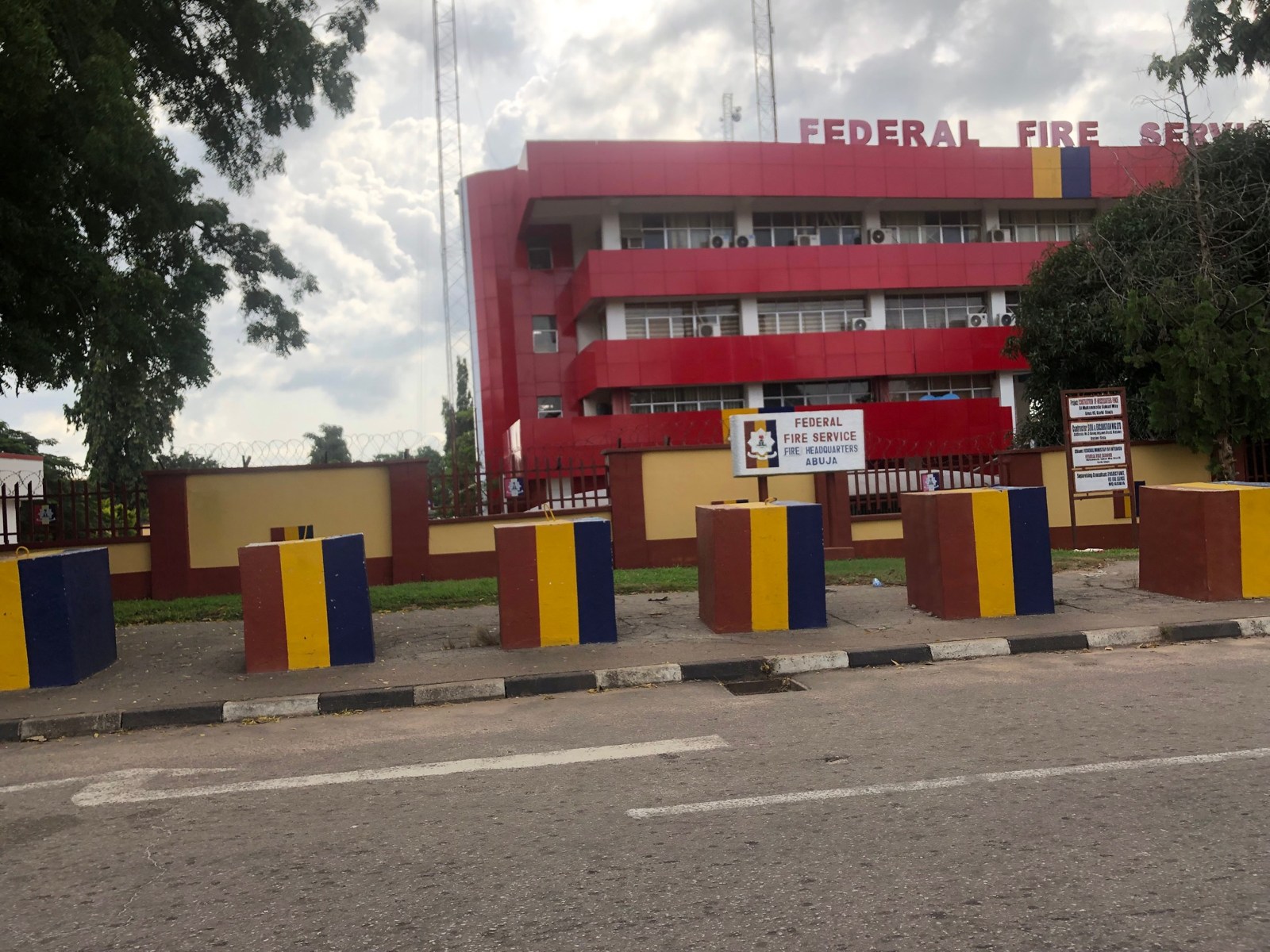
A fire engine arriving at a road crash might find someone who needs first aid before there is a fire to put out. Nigeria’s interior minister, Olubunmi Tunji-Ojo, used emergencies beyond firefighting to explain his proposal for the Federal Fire Service. He spoke in Abuja on 2 November during National Fire Safety Week.
The minister wants legislation to replace the 1963 Fire Service Act. In his account, the problem starts with what the law empowers the service to do. The activities he wants federal crews trained and authorised to undertake include medical assistance at emergencies, search and rescue during floods, and responding to dangerous substances.
There is also a part of the proposal that concerns a building before anything goes wrong. Tunji-Ojo called for stronger inspections and trained fire marshals who could enforce safety rules in communities. He urged the service to work with schools on teaching basic rescue skills. He presented that instruction as a change he wants to see in the curriculum.
One place intended to prepare personnel is the National Fire Academy at Sheda in Kwali, in the Federal Capital Territory. The minister put construction at 85 per cent complete and said he expected the facility to be ready by the end of the year. That figure describes the progress he reported on the site.
Plans for the academy include classrooms, practice towers and accommodation for more than 3,000 trainees at a time. A planned number of hostel places tells a reader about the intended scale of training. It cannot tell a family whether a crew near its home already has the personnel and equipment for a particular rescue.
What it means for you. The announcement concerns who would have responsibility for different emergencies and how responders would learn the work. The minister did not announce a new emergency number, a date when the proposed powers would take effect or a response time a household could expect. The academy’s completion and the legal changes are separate milestones to watch.