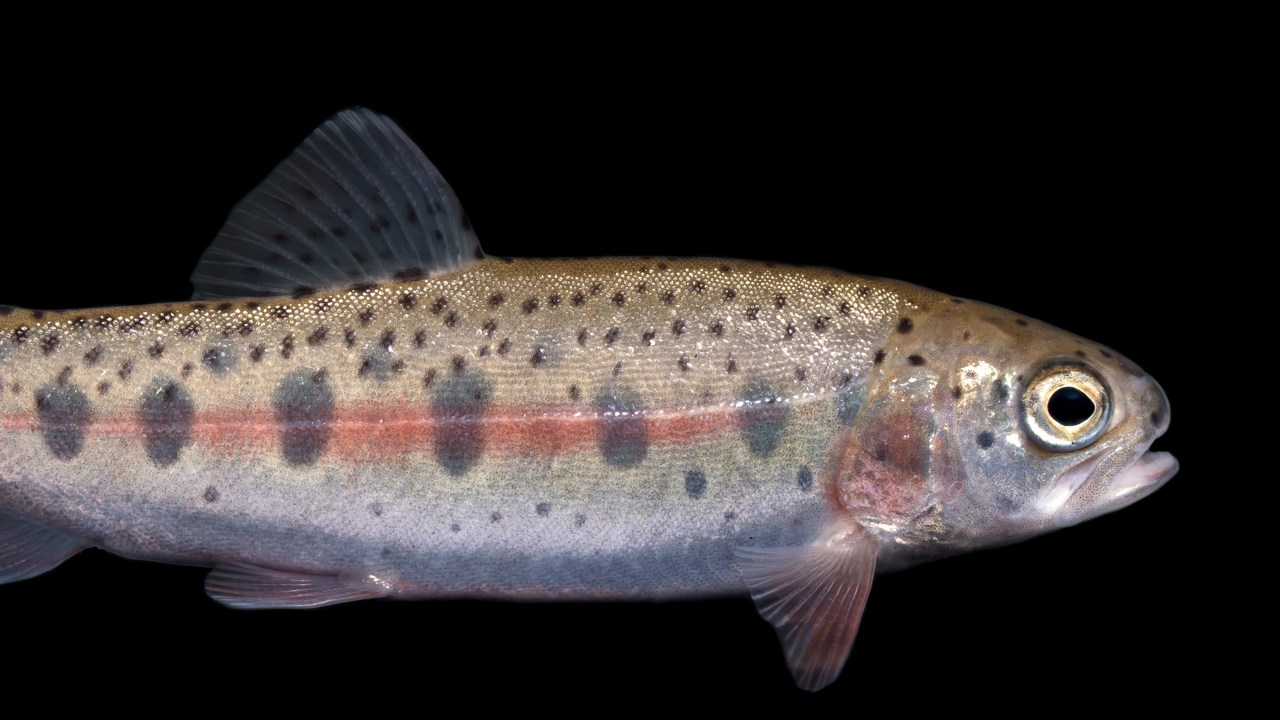
A young rainbow trout weighing one or two grams presents a practical problem for a fish farmer. A conventional injection is difficult to give to an animal that small. In research reported on 2 November, a team from MIT and the US Department of Agriculture described delivering vaccines to fish of that size using tiny needles made from silk. The needles worked underwater.
The central design problem was timing. Early versions of the material softened as soon as they got wet. They could release what they carried before getting through the skin. The team coated the silk with a thin layer of shellac, a resin also used in food coatings. This barrier kept the needle firm long enough to pierce wet skin and stay attached as the fish swam.
Why bother changing the needle? Vaccines mixed into feed may reach different fish in different amounts. Treating a whole pool of water requires more material. Giving fish individual injections can require sedation and handling outside the water. A member of the research team said conventional needles generally become practical for rainbow trout at about 30 grams. The gap between that size and the youngest fish is what the experiment addresses.
The researchers tested versions that could release their contents at different rates. Their work concerns a way of carrying vaccines, including DNA vaccines, into fish. Demonstrating that a dose can reach a small trout does not establish how much disease it would prevent across a commercial farm. The team says more development is needed to use the system at scale.
Storage raises another question. In a dry-storage test lasting four weeks, about half the DNA plasmids kept their structure. That is a result about material inside the needles under the test conditions. It cannot by itself establish a shelf life for vaccines kept in different conditions on farms.
What it means for you: if you raise fish in Nigeria, the test species matters as much as the size of the needle. The published work describes rainbow trout. It provides no local trial results for catfish or tilapia and no price for a Nigerian farm. Those are separate questions for anyone weighing a claim that this technique is ready for their own ponds.