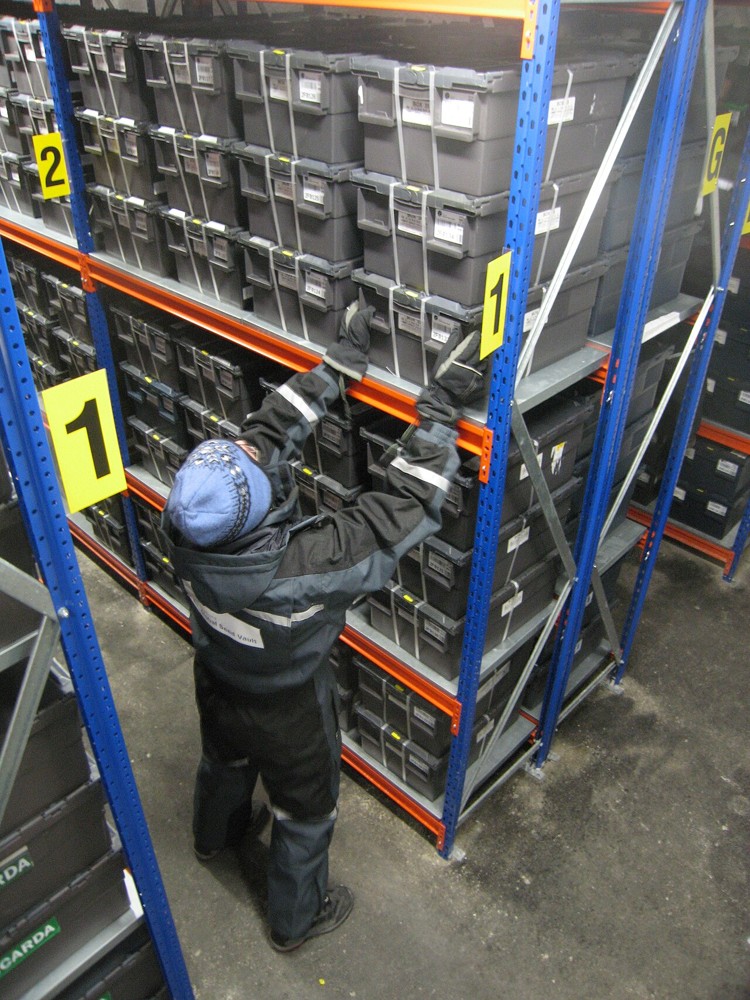
African agricultural diversity dey among the final 2026 deposit for Svalbard Global Seed Vault. Official report wey come out on 14 October name Southern African Development Community genebank among 21 institutions wey contribute to the shipment. The seeds reach the Arctic facility on 13 October for backup storage.
Rice diversity from Madagascar also dey represented. International Rice Research Institute consignment include 410 first-time deposits covering material from Madagascar, Costa Rica and Nepal. That combined number no mean Madagascar samples alone. IRRI complete shipment get 1,890 samples, so the different totals need their own clear meaning.
The vault store duplicates of material wey other genebanks hold. Its work na to preserve another copy if original collection damage or people no fit access am. Seeds remain depositor property, so to move dem physically to Svalbard no transfer ownership of the collections.
Six CGIAR genebanks contribute nearly 9,000 samples during the October deposit. International Livestock Research Institute dey among dem, together with institutions wey conserve maize, wheat, rice and other crop diversity. The official account describe these deposits as protection for future research and breeding work.
The report also recall ICARDA earlier withdrawal after conflict block access to its collection. The organisation use the seeds to rebuild its genebank, then later return duplicate samples. That example show how people use backup system for recovery, instead of only collecting boxes wey nobody opens.
To preserve diversity keep options for changing farming conditions. E no by itself guarantee harvest or give food to families wey face shortages today. For African collections, October deposit strengthen one part of the longer chain wey connect conservation, agricultural research and choices for farmers tomorrow.