African agricultural diversity featured in the final 2026 deposit at the Svalbard Global Seed Vault. An official report published on 14 October named the Southern African Development Community's genebank among 21 institutions contributing to the shipment, which reached the Arctic facility on 13 October.
Rice diversity from Madagascar was also represented. The International Rice Research Institute's consignment included 410 first-time deposits covering material from Madagascar, Costa Rica and Nepal. That combined figure should not be read as the number of Malagasy samples alone; IRRI's total shipment comprised 1,890 samples.
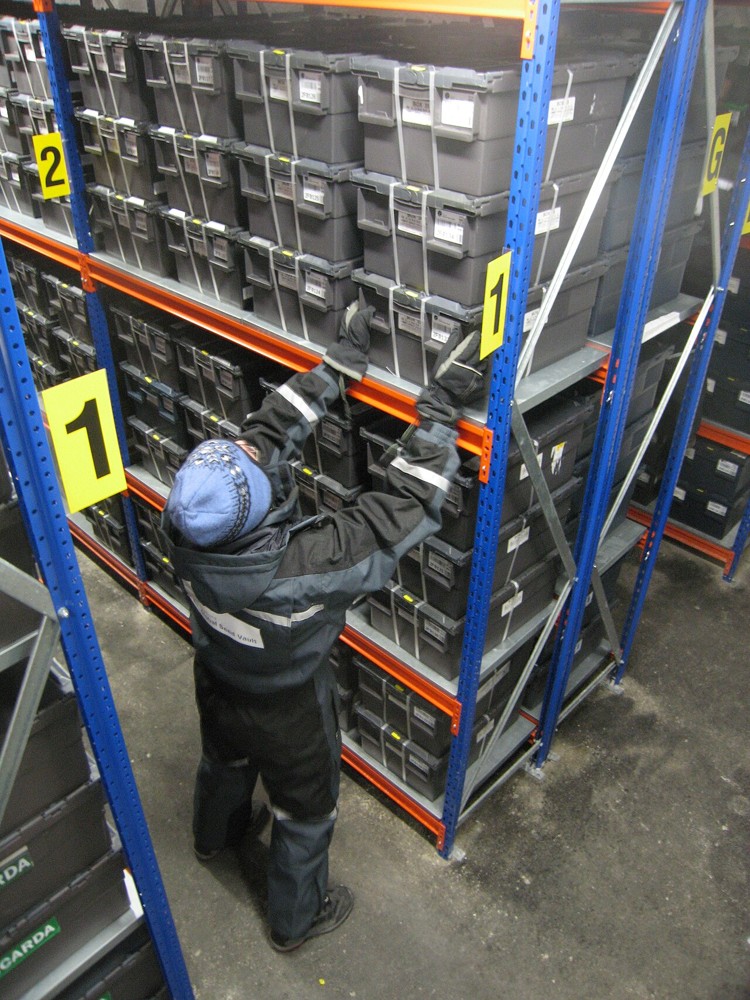
The vault stores duplicates of material held in genebank collections. Its function is to preserve another copy if an original collection becomes damaged or inaccessible. Seeds remain the property of their depositors, so the physical move to Svalbard does not transfer ownership of those collections.
Six CGIAR genebanks contributed nearly 9,000 samples during the October deposit. The International Livestock Research Institute was among them, alongside institutions conserving maize, wheat, rice and other crop diversity. The official account presents these deposits as safeguards for future research and breeding.
The report also recalled ICARDA's earlier withdrawal of seeds after conflict disrupted access to its collection. The organisation used the material to rebuild its genebank and subsequently returned duplicates. That example shows the backup system being used for recovery, rather than only accumulating unopened boxes.
Preserving diversity maintains options for responding to changing growing conditions. It does not itself guarantee a harvest or supply food to households facing shortages today. For African collections, the October deposit strengthens one part of the longer chain connecting conservation, agricultural research and farmers' future choices.