Satellite wey suppose go near other spacecraft go check dem, now people no fit reach am. On 3 November NASA report say e and Starfish Space don conclude say dem no fit recover di company Otter spacecraft. Dia analysis point to software wey dey keep im radio off. Contact loss happen for orbit after dem launch and release di spacecraft successfully.
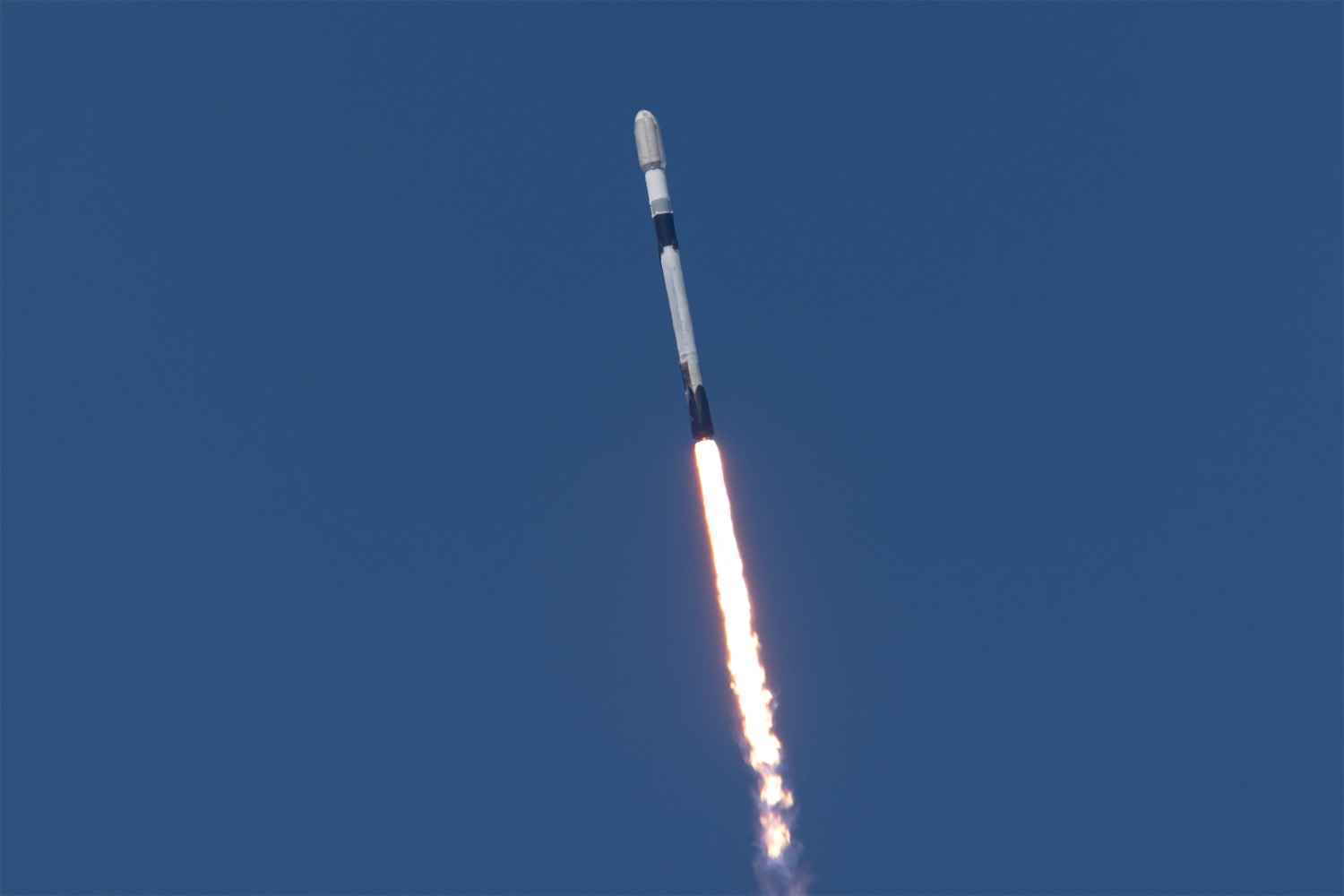
Otter commot from Vandenberg Space Force Base for California on 1 October on top SpaceX Falcon 9. Other payloads still follow di same Transporter-18 flight. Di rocket company timeline say Otter separate from di rocket small after one hour into di flight. Starfish first make contact with di spacecraft.
Di trouble start when dem dey prepare di spacecraft for work. For dis stage, operators dey switch systems on, check whether instruments dey respond and prepare di craft for im regular work. Na for dis stage Starfish lose contact. Dem no fit restore connection wey both sides fit use talk. To get first signal and to finish di checks na two different stages.
NASA and Starfish trace di problem go di system wey suppose find faults and respond to dem. Dem say e dey keep di radio off by mistake. Ground crew need communication link wey dey work before dem fit exchange instructions and information with satellite. Di operator no fit bring dis link back.
Di mission suppose show how one spacecraft fit find im way near US space objects wey no dey work again for low Earth orbit and inspect dem. Na di first time Starfish put im navigation and propulsion technologies together for one Otter spacecraft. Dem also plan to test robotic arm wey fit move. All dis na work wey dem plan, no be list of inspections wey dem don finish.
Wetin e mean for you. When you read launch report, check which stage di claim dey talk about. Rocket fit deliver payload well even if di payload later fail to do im work. Starfish intend to gather inspection data on future flights, but those plans no fit replace observations wey dis spacecraft suppose make.