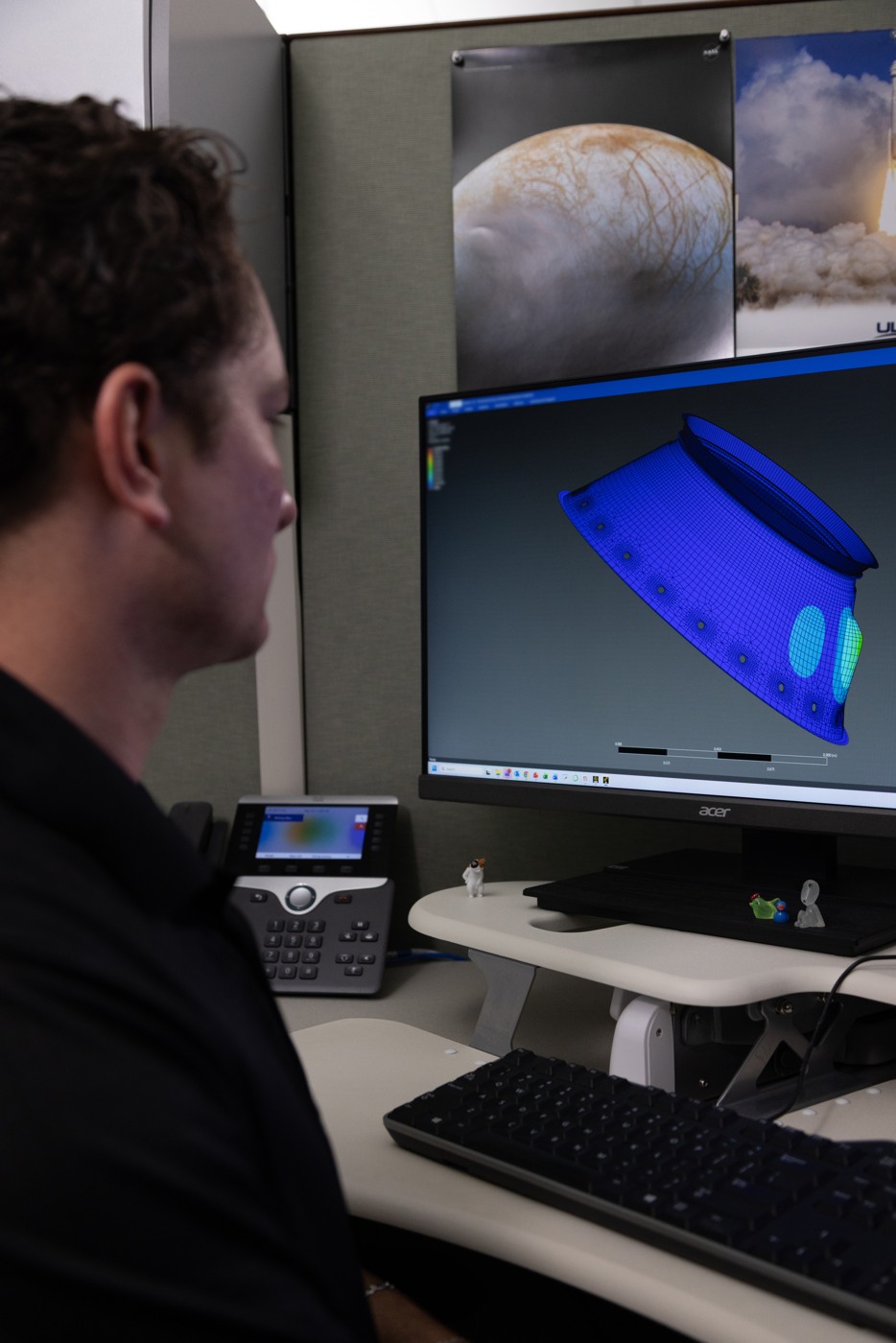
Spacecraft no only need survive journey through space. Dem also face shaking, sudden shocks and bending during launch. NASA October 19 report describe revised computer-modelling workflow for Kennedy Space Center wey suppose help engineers investigate those forces in more consistent way before hardware leave ground.
The team dey use existing commercial tool for new area of their work. The innovation na standard process and templates, no be computer program wey dem just invent from scratch. That difference matter when person dey assess wetin really change and wetin other engineering teams fit learn from am.
Finite element analysis break complicated structure into smaller parts for calculation. Engineers enter properties and forces, then check how model respond. E fit reveal behaviour wey ordinary judgement no easily predict. But the usefulness depend on assumptions and real evidence wey dem use build the model.
NASA say this workflow help during certification work with commercial launch provider. Available testing cover vibration, but more questions concern shock. Modelling allow the team compare possible conditions and inspect structural behaviour without rebuilding the whole analysis from the beginning every time dem ask new question.
More consistent workflow fit also preserve knowledge between projects. Specialists wey only use complex tool once in a while normally spend time learning am again. Shared templates help organise work and update assessments when fresh test results or real flight data become available to the team.
The aim na to identify weak points while hardware still dey ground, when changes still possible. Simulation na part of this process, together with testing and engineering review. The announcement describe practical improvement for analysis. E no guarantee say launch no fit ever fail or say computer calculation replace all physical tests.