Botanists working from Sibang in Libreville are building a record of Gabon's plants through field expeditions and preserved collections. In reporting published on 27 October, Africanews described the work of garden director Archange Boupoya and his team to document biodiversity that remains incompletely understood.
Researchers spend two or three weeks collecting in the forest before drying and recording specimens. Specialists in several countries then help identify the material. Finding an unfamiliar plant is one stage; a recognised new species also requires a full scientific description.
Boupoya said surveys produce an average of ten newly identified species each year. That is his account of the team's continuing work, rather than an announcement that ten specific discoveries were published on the day of the report.
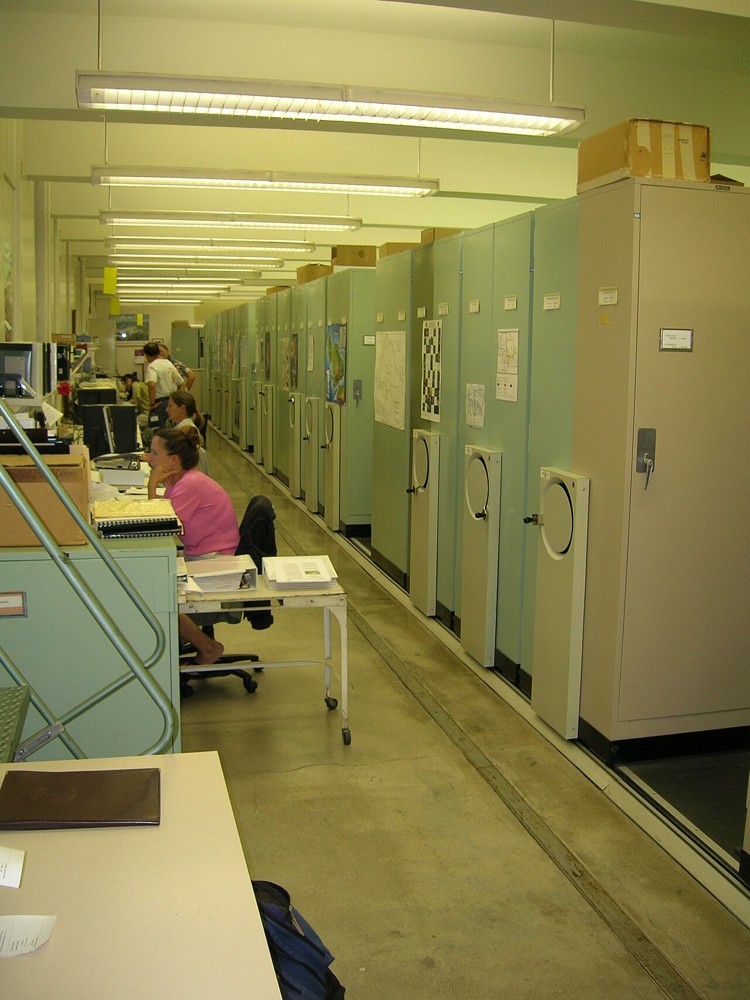
The institution's collection contains about 100,000 specimens, with the oldest dating to 1880, according to the coverage. Stored in cabinets at the national parks agency, the archive makes observations available beyond the expedition during which each plant was collected.
The researchers described pressure from limited funding, inadequate conservation facilities and urban expansion around the garden. These are practical constraints on maintaining collections as well as undertaking new surveys. Specimens need space, documentation and continuing care if their scientific value is to endure.
The broader point is that conservation relies on knowing what exists and where evidence of it can be checked. A plant collection does not protect a habitat by itself, but it supports identification and informed decisions. Gabon's botanists are working on that essential link between discovery and durable knowledge.