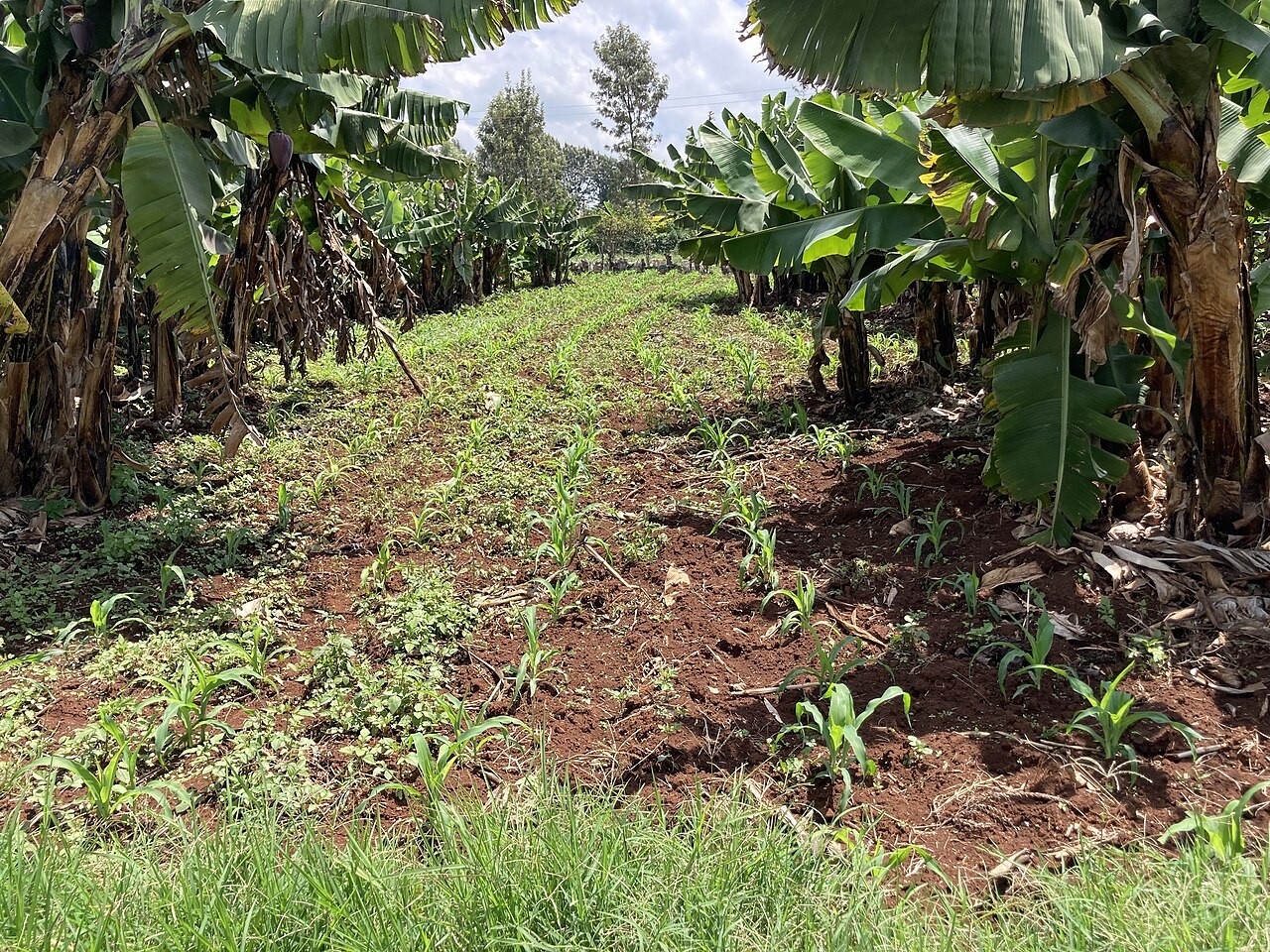
Kenyan farmers are getting more detailed information about the ground beneath their crops through a programme linking soil sampling, laboratories and mobile phones. UN News reported on 23 October that SoilFER had collected and mapped more than 3,600 samples across 45 counties, building a digital picture of local soil conditions.
The programme brings together the Food and Agriculture Organization and the Kenya Agricultural and Livestock Research Organization, with support from Japan and the United States Department of State. Three laboratories have been renovated and equipped to analyse samples. Results are linked to the places where the samples were collected and transmitted to farmers' phones.
That information can help distinguish between a field's nutrient needs and a general assumption that more fertilizer will produce a better harvest. Farmers interviewed by UN News described learning about soil composition, acidity and fertility. The report does not establish a nationwide increase in yields or calculate savings for every participating farm.
Selected participants are also trained as soil doctors who pass knowledge to other growers. This creates a route for laboratory findings to enter everyday farm discussions. A technically accurate map has limited practical value if the people making planting and fertilizer decisions cannot understand or obtain its findings.
The launch included a national soil partnership, a soil laboratory network and the rollout of the Global Soil Doctors Programme. These institutional links matter because collecting samples is only one step: findings also need consistent interpretation and a way to reach farmers working in different locations.
For the programme, the next useful measure of progress is how reliably local information changes farm decisions over time. A mapped sample is evidence about a particular location, not a promise of a particular harvest. SoilFER's immediate contribution is a stronger basis for those decisions, especially as farmers manage changing weather and pressure on their land.