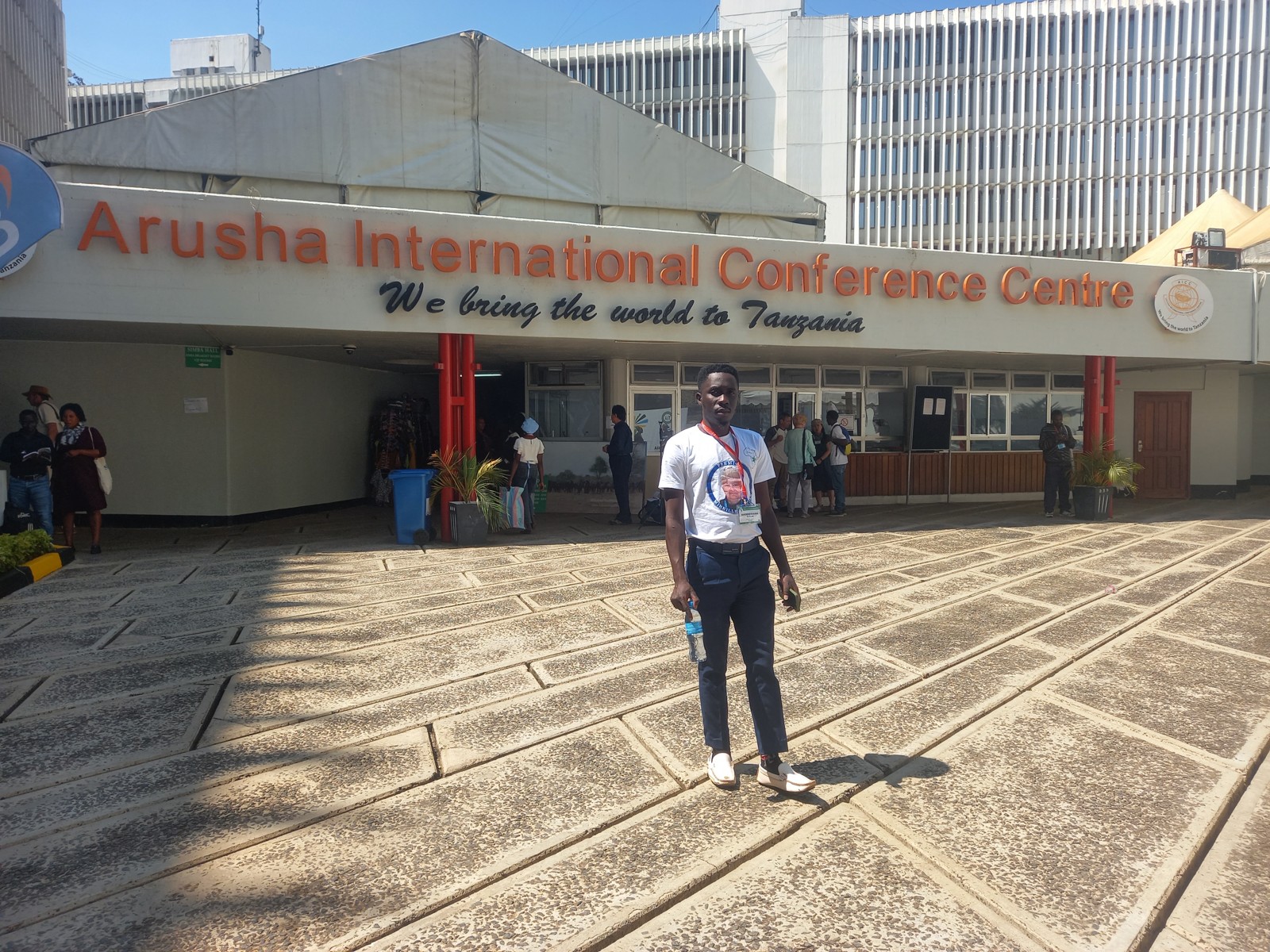
Ghana is the country to watch for a decision in the programme published by the African Union’s anti-corruption advisory board on 3 November. The board put Ghana’s country review report on the agenda of its 53rd ordinary session in Arusha, Tanzania. The eleven-day programme runs from 3 to 13 November.
Three other countries feature at a different stage. Members are due to hear how reviews are progressing in Côte d’Ivoire, Burundi and Chad. That wording matters. The announcement does not give a verdict on those countries or say what the board will decide about Ghana. None of the four is being put on trial at this meeting.
The reviews examine how countries carry out the AU convention on preventing and combating corruption. Adopted in Maputo in 2003, the convention provides the basis for the board’s work. The board advises governments and helps develop model laws. A model law gives lawmakers a text to consider when shaping national rules. Presenting it at an AU meeting does not enact it in any member country.
Members are also due to hear about efforts to recover assets and the board’s work with the Pan-African Parliament and the AU Commission on International Law. An update on asset recovery can explain how institutions are working together. The notice gives no sum of money recovered or returned under this item.
The agenda sets aside discussions with young people and groups outside government about participation under Article 12 of the convention. That gives the meeting a purpose beyond exchanges between officials. It also leaves a question that can only be answered afterwards. Which proposals, if any, will appear in the final recommendations?
What it means for you. When reading a claim about the Ghana review, check whether it refers to this agenda or to a decision actually published by the board. For readers in Nigeria, the same distinction applies to the proposed model laws. The board’s notice announced work on them, without announcing a change to Nigerian law.