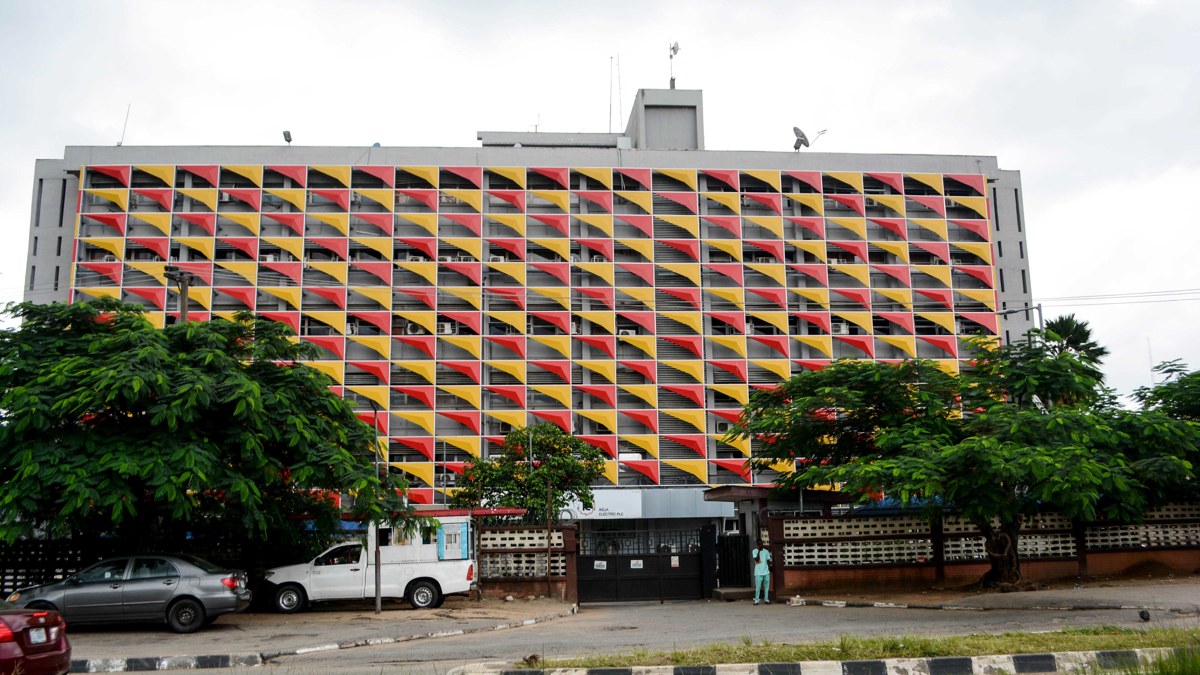
Ikeja Electric has apologised to customers on some Band A feeders after electricity supply fell below the expected minimum of 20 hours a day on 3 and 4 November. Punch reported the company’s notice on Thursday, 5 November. The acknowledgement concerns those two dates; it is not confirmation that supply has since returned to the required level everywhere affected.
The notice was attributed to the distributor’s official X account. It acknowledges a shortfall against a daily service commitment, rather than announcing a new electricity tariff. Twenty hours describes time with electricity supply, not the amount of energy a household consumes. The report does not establish that every Band A customer or every community on the company’s network experienced the same interruption.
The text available in the report did not reproduce a usable list of affected feeders or a detailed explanation of the disruptions. We therefore cannot identify individual streets from that report. A feeder is part of the electricity distribution network serving customers; its identity matters when matching a service notice to a particular home or business.
What it means for you: check your own feeder before assuming a general notice covers your address. Ikeja Electric’s official website provides a Customer Feeder Verification page. Keeping a dated record of interruptions and the reference number for any complaint can make a follow-up enquiry more specific. These are practical reporting steps, not a guarantee of a particular restoration time or compensation.
The company’s contact page lists [email protected] for customer enquiries and telephone numbers 0201-7000-250 and 0201-227-2940. It also provides a contact form. Use those official channels to ask about your supply and the applicable complaint process. This report has not tested a customer account, submitted a complaint or verified the response time of those channels.
For households and small businesses planning work, charging or refrigeration, the missing information is the actual service position on their feeder now. An apology for previous days should not be treated as a fresh timetable. Further verified feeder information and a clear restoration update would help customers judge whether the shortfall has been resolved.