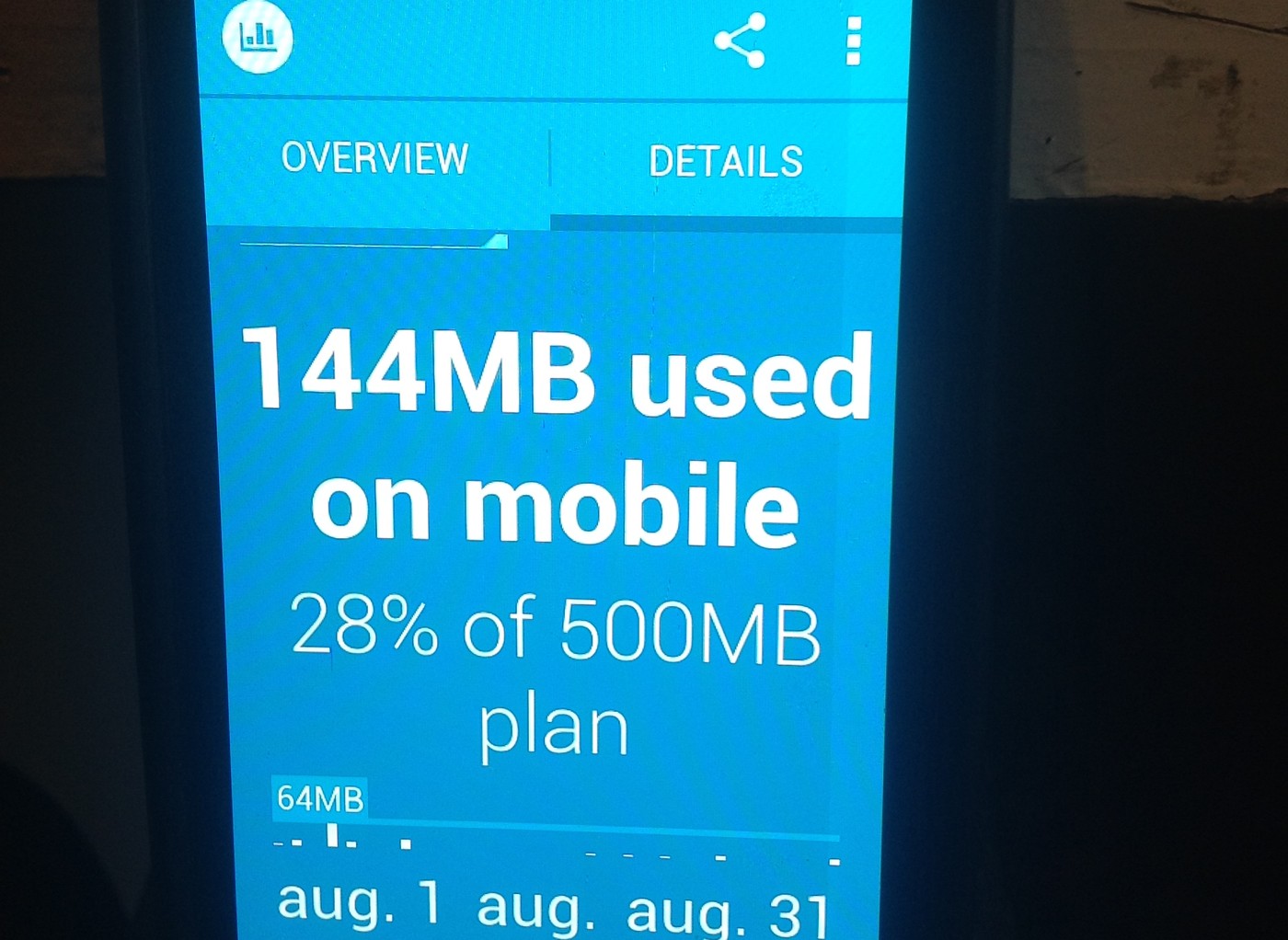
A phone can keep using data while its owner is doing something else. An app running in the background or a software update can add to the bill when a subscriber pays according to use. That is one reason Kenya’s communications regulator gave legislators for keeping a choice of internet packages while making the meter easier to check.
The Communications Authority of Kenya published its position on 3 November after presenting it to the National Assembly committee dealing with communication, information and innovation. The committee was considering the Kenya Information and Communications (Amendment) Bill, 2025. The regulator backed the aim of protecting users from inaccurate bills but cautioned against making consumption-based charging compulsory across the sector.
Its proposed alerts would come when consumption reached 50, 80 and 100 per cent of a usage threshold. It also wants providers to offer a free dashboard showing usage in real time. An alert at 80 per cent would tell a customer how much of a limit they had reached. It would not by itself prevent them from using the remaining allowance.
That is where a separate proposal comes in: the authority also favours monthly spending caps and limits that users select themselves. A customer who needs a predictable bill and a customer who wants to carry on using data after an alert could have different preferences. The authority says compulsory metering could expose households, students and small firms to surprise costs.
There is a technical question behind any dispute over a bill: who can check whether the meter counted correctly? The regulator proposed independent certification and periodic audits of the systems, itemised bills in plain language and a way to challenge charges. It also recommended suspending disputed charges while an investigation is under way.
What it means for you. The amount a package costs, how it measures data and what happens when you reach its limit are three different things to compare when choosing a plan. The proposals concern Kenya’s regulatory review. The committee presentation does not change the terms of a Nigerian subscriber’s contract.