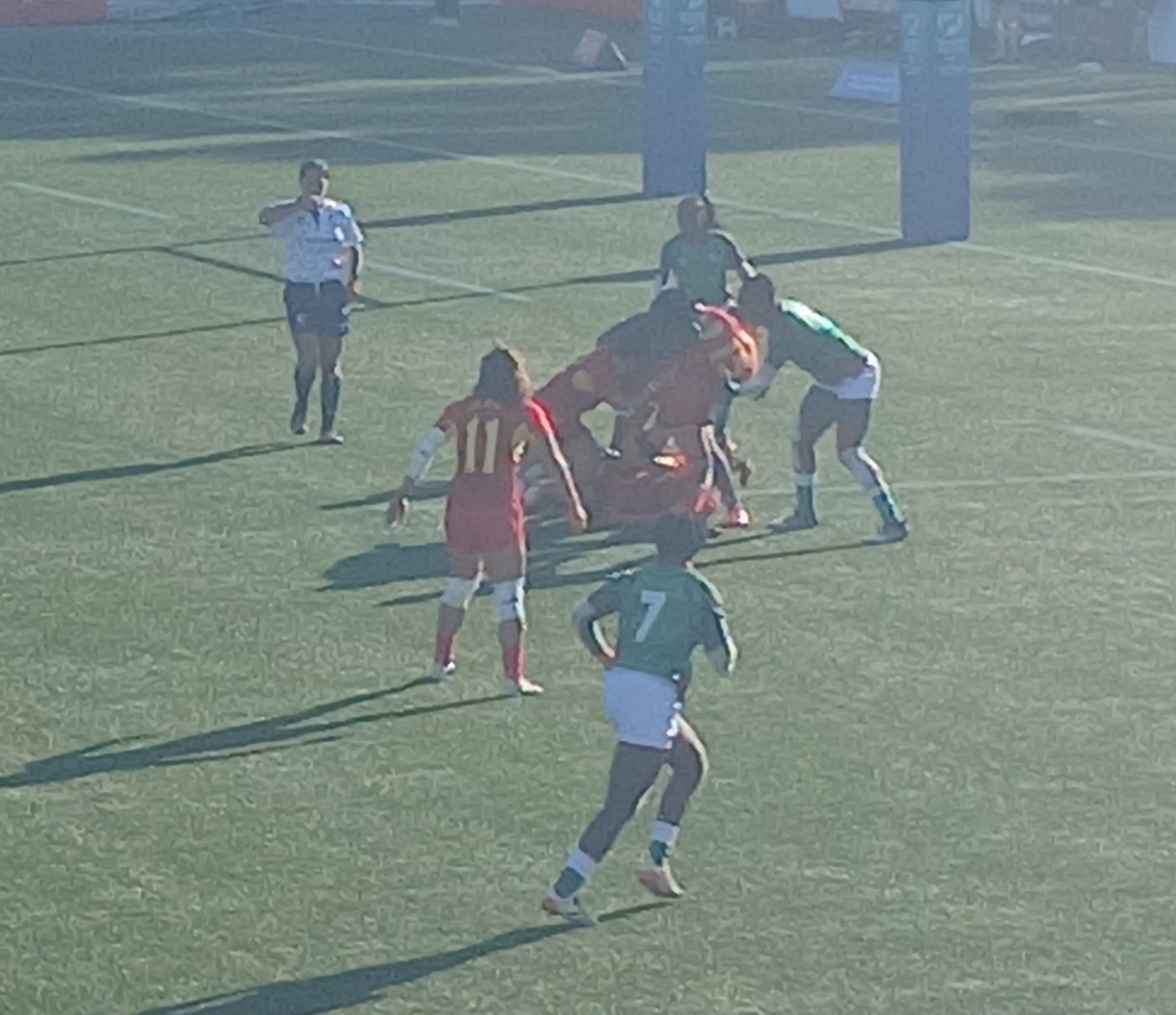
Australia were ahead when the siren sounded in the women’s rugby sevens final in Dakar. The ball was still in play. Kenya used those last moments to bring the scores level, then won gold when Mitchelle Chemtai scored the deciding try in extra time on Tuesday, 3 November. The final score at the Iba Mar Diop complex was 17–12.
The significance extends beyond a single Youth Olympic title. The International Olympic Committee identifies Kenya as the first African nation to win rugby sevens gold at either the Olympic Games or the Youth Olympic Games. The competition in which the Kenyan women achieved that first was the youth tournament, on African soil.
Australia had dictated the opening seconds. Darci Turinui scored within the first 45 seconds and Kenya replied before the interval. The sides changed ends at 5–5. In a match played by seven a side, a try is worth five points, with the chance of another two from the kick that follows.
Grace Buchanan’s try helped Australia take the lead again with about two minutes to go. That still left time for two different Kenyan players to change the result. Josephine Keruo scored after the siren to send the match into extra time. Without that try, Chemtai would never have had the opportunity to score the winner.
Extra time was played on a sudden-death basis. Once Chemtai grounded the ball for a try, Australia had no further possession in which to answer. The five points from that score account for the entire gap between the teams in the final result. Australia finished second and Madagascar beat Czechia to take bronze.
For a viewer coming to sevens through these Games, the key to reading the finish is the difference between the siren and the end of play. The siren did not kill the attack that drew Kenya level. It took a second Kenyan try, in a new period of play, to decide who took home the gold.