The Lagos–Ibadan line accounted for about three out of every four passenger journeys on the Nigerian Railway Corporation’s standard-gauge services between July and September. Figures reported on 3 November put the route’s total at 357,410. Across the corporation’s standard- and narrow-gauge services together, the quarterly count reached 1,075,023.
That total measures journeys. Someone taking a train out and then making the return trip contributes twice. The figures tell us about use of the services during those three months, but they cannot say how many different individuals boarded or how many of those journeys were daily commutes.
The monthly totals rose from 345,942 in July to 363,261 in August and 365,820 in September. The largest increase came between July and August. On the Lagos–Ibadan route alone, the order was different. August was its busiest month of the three, with 133,652 journeys, compared with 117,264 in September.
Although Lagos–Ibadan dominated the standard-gauge figures, the narrow-gauge network accounted for more passenger journeys overall. Its 601,088 journeys represented roughly 56 out of every 100 in the corporation’s total. The standard-gauge services recorded 473,935. That comparison describes how many trips took place, without measuring how far each passenger travelled.
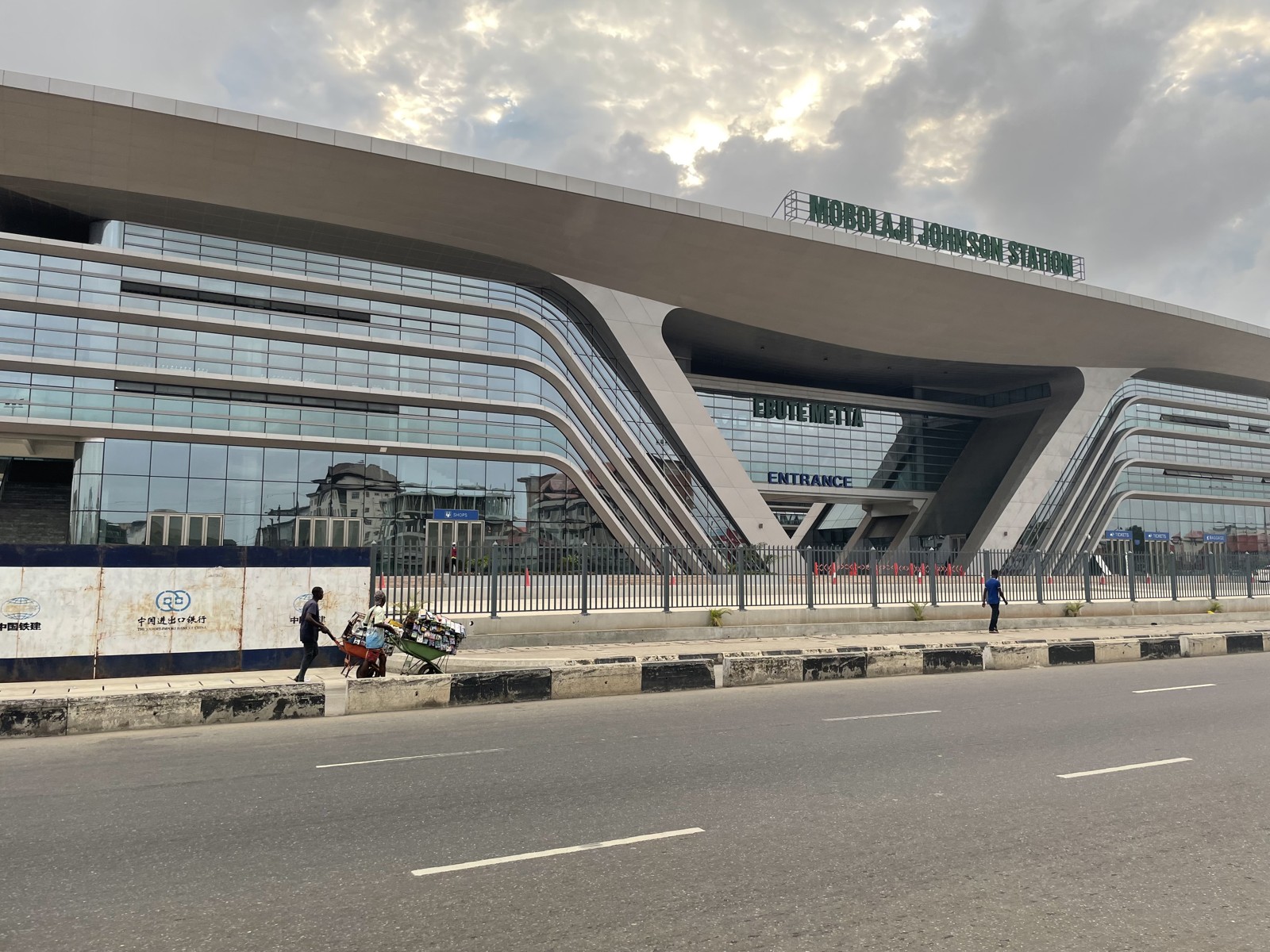
The distinction matters when choosing a train. The corporation’s Lagos district lists Mobolaji Johnson Station in Ebute Metta as the starting point for the Lagos–Ibadan service. It lists the Iddo/Ijoko mass-transit service separately and says that service does not operate at weekends. A reference to rail travel in Lagos can therefore mean quite different trips.
What it means for you. If you are planning a Lagos–Ibadan journey, check the station and the timetable for your intended date with the railway corporation. The passenger figures give a picture of the last quarter. They cannot tell you whether there is a seat on the particular train you want to catch.