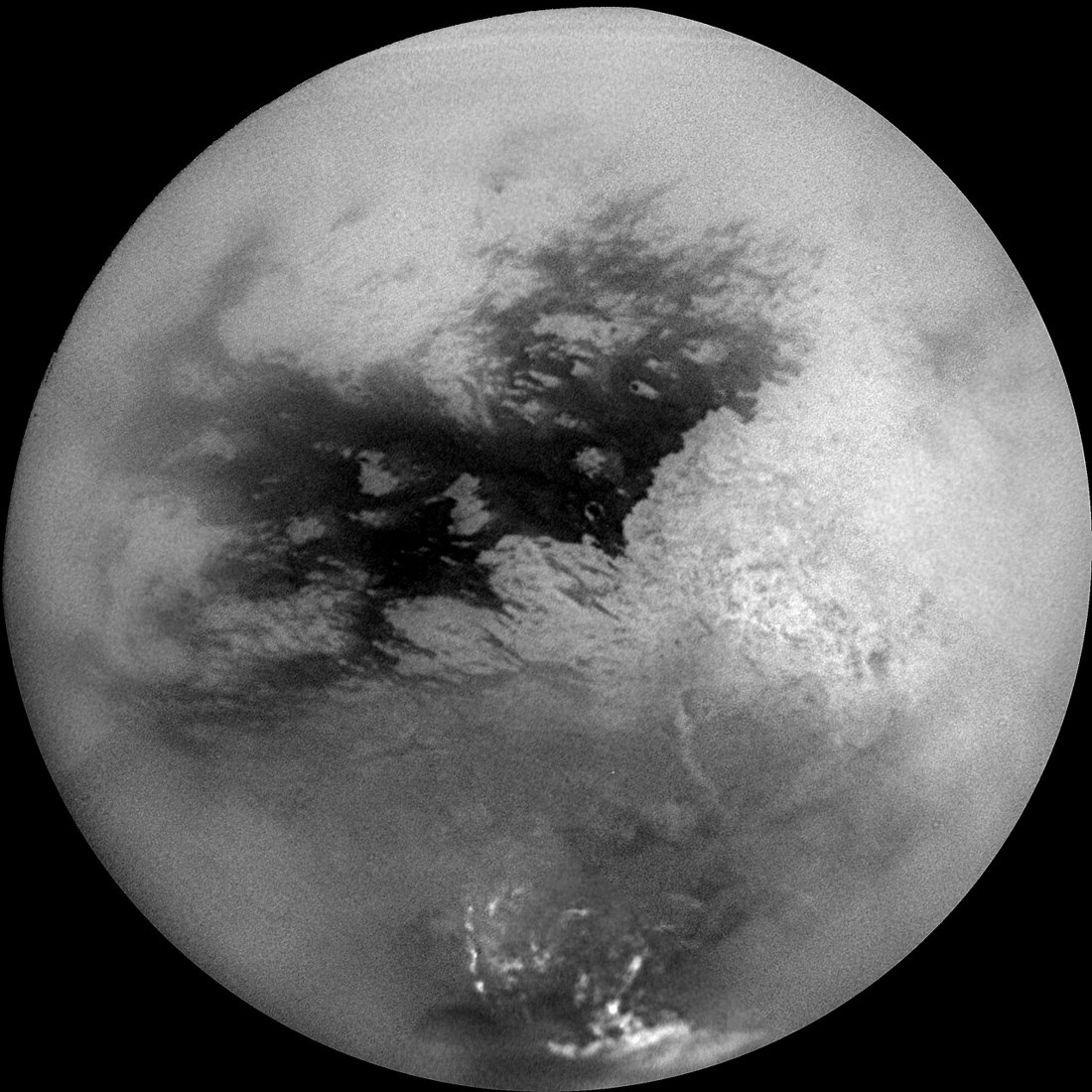
NASA is inviting people to send their names to Titan, Saturn’s largest moon, on a microchip carried by its Dragonfly spacecraft. The public campaign, announced on October 29, offers a way to participate symbolically in a scientific mission to a world with a dense atmosphere, dunes and lakes of liquid methane.
The agency says participants can register through its official Dragonfly names campaign and receive a personalised digital boarding pass. The deadline is January 15, 2027, at 11:59 p.m. Eastern Standard Time in the United States. For readers in Nigeria, that is 5:59 a.m. on January 16. The pass is a souvenir: no passenger seat or physical journey is being offered.
Dragonfly is currently being assembled at the Johns Hopkins Applied Physics Laboratory in Maryland. NASA’s stated timetable calls for a launch in 2028 and arrival at Titan in 2034. These are mission plans, rather than events that have already happened, and the campaign does not mean the spacecraft is ready to depart immediately.
The vehicle is a rotorcraft designed to fly between different locations on Titan. Instead of studying a single landing site throughout its mission, it is intended to examine varied environments across the moon. That ability to move between places is central to the scientific approach described by NASA.
Titan’s landscape contains abundant organic material. Dragonfly will investigate prebiotic chemistry: chemical processes relevant to the period before biology. The mission aims to improve understanding of the ingredients and conditions associated with life. Searching for those clues is not the same as announcing that life has been found on Titan.
For Nigerian readers, the immediate opportunity is the name-registration campaign, not a travel offer, scholarship or recruitment programme. Use the official NASA campaign link supplied in the announcement and read the form’s current requirements before providing personal information. A boarding-pass image shared by someone else is not evidence that your own name has been registered.
The project is led for NASA by the Johns Hopkins Applied Physics Laboratory, with Elizabeth Turtle as principal investigator. For now, the practical dates to separate are the January 2027 public-registration deadline, the planned 2028 launch and the expected 2034 arrival. They describe three very different stages of a long journey.