Di ozone hole for Antarctica big pass normal dis year, but scientists say dat no cancel evidence say di layer dey recover over long time. NOAA and NASA release their 2026 assessment on 4 November. Dem rank di seasonal average area seventh-biggest for 48 years of monitoring and link di unusual size to weather around Antarctica.
Between 7 September and 13 October, di hole average about 25 million square kilometres. Di widest area for one day different: 27.1 million square kilometres on 18 September. E important make we no mix these measurements. Average for whole season and di widest single day answer different questions, even though both describe di same yearly ozone loss.
Di agencies point to polar vortex wey strong pass normal, di wind circulation wey hold cold air around Antarctica. These conditions help chemical reactions destroy ozone high for atmosphere. Scientists say di hole for big even more if international agreements never reduce chemicals wey damage ozone. So bad year and gradual recovery fit happen together.
Ozone high for atmosphere help absorb harmful ultraviolet radiation. Dat protective layer different from ozone pollution near ground. Di Antarctic hole no be physical opening through atmosphere either. Di name describe serious reduction of ozone over big area, wey researchers dey monitor with different instruments wey support one another.
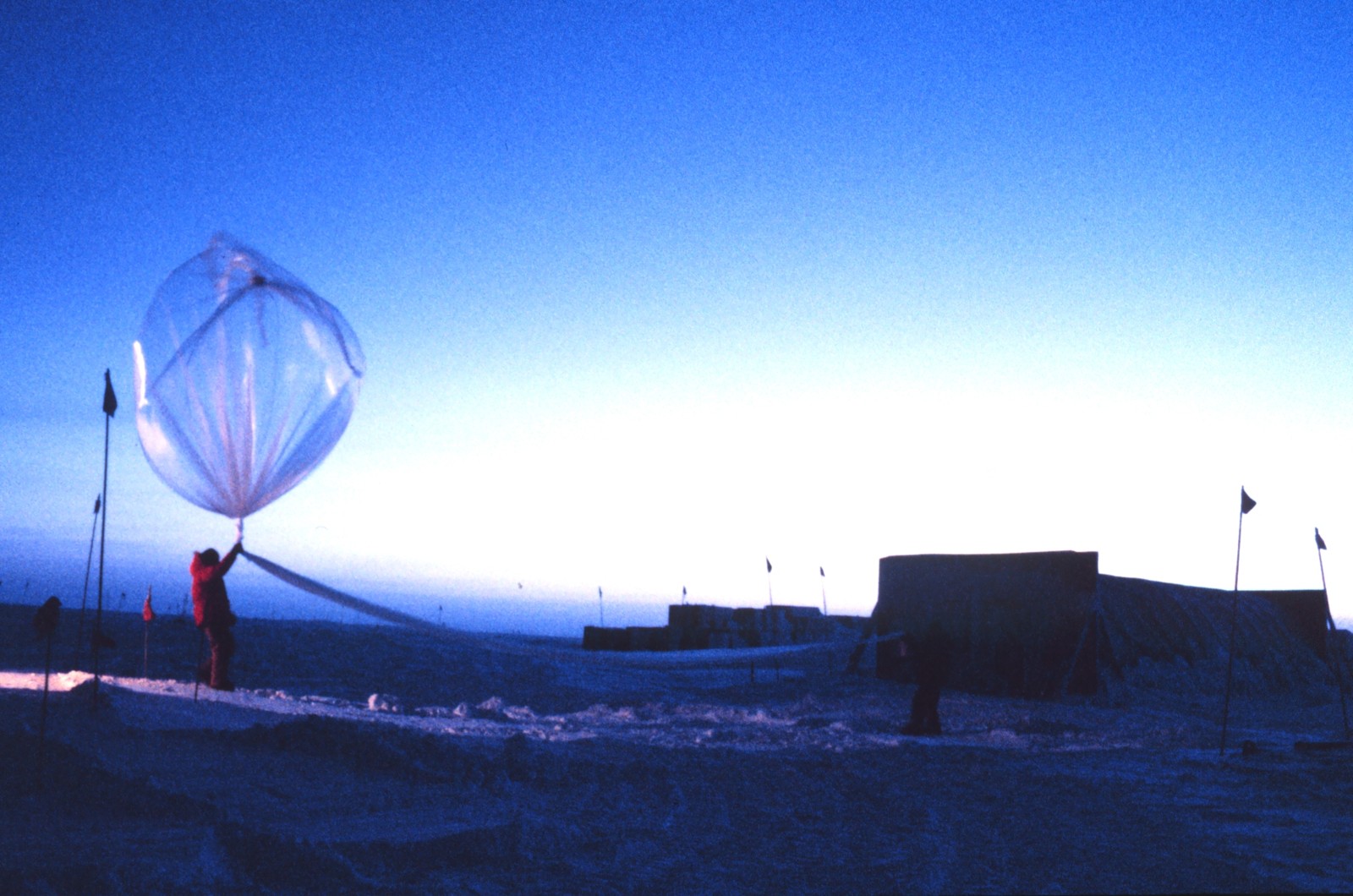
Satellites show broad areas, while instruments wey balloons carry measure ozone for different heights. NOAA monitoring programme explain say balloon dey send ozone and weather readings to receiving station as e rise. These measurements fit work during polar darkness, when observations wey need sunlight get limits. Together, di methods help separate area wey affect from amount of ozone wey remain.
Wetin e mean for you. Nigerian readers suppose see dis as seasonal assessment for Antarctica, no be measurement of today ultraviolet exposure for Lagos or Kano. Di important result be say one big yearly hole alone no prove say international controls don fail. Dem still need continuous observation to judge di long-term trend and test whether expected recovery still dey on course.