The Antarctic ozone hole was unusually large this year, but scientists say that does not overturn the evidence of long-term recovery. NOAA and NASA released their 2026 assessment on 4 November, ranking the seasonal average area seventh-largest in 48 years of monitoring. They attributed the exceptional size to weather conditions around Antarctica.
Between 7 September and 13 October, the hole averaged about 25 million square kilometres. Its largest daily extent was different: 27.1 million square kilometres on 18 September. Keeping those measurements separate matters. A season’s average and the single widest day answer different questions, even though both describe the same annual ozone-loss episode.
The agencies pointed to an unusually strong polar vortex, the circulation that keeps cold air around Antarctica. The conditions help chemical reactions destroy ozone high in the atmosphere. Scientists said the hole would have been still larger without the reductions in ozone-damaging chemicals achieved through international agreements. A difficult year and a gradual recovery can therefore happen together.
Ozone high in the atmosphere helps absorb harmful ultraviolet radiation. That protective layer should not be confused with ozone pollution near the ground. Nor is the Antarctic hole a physical opening through the atmosphere. The term describes severe thinning of ozone over a large area, which researchers monitor with complementary instruments.
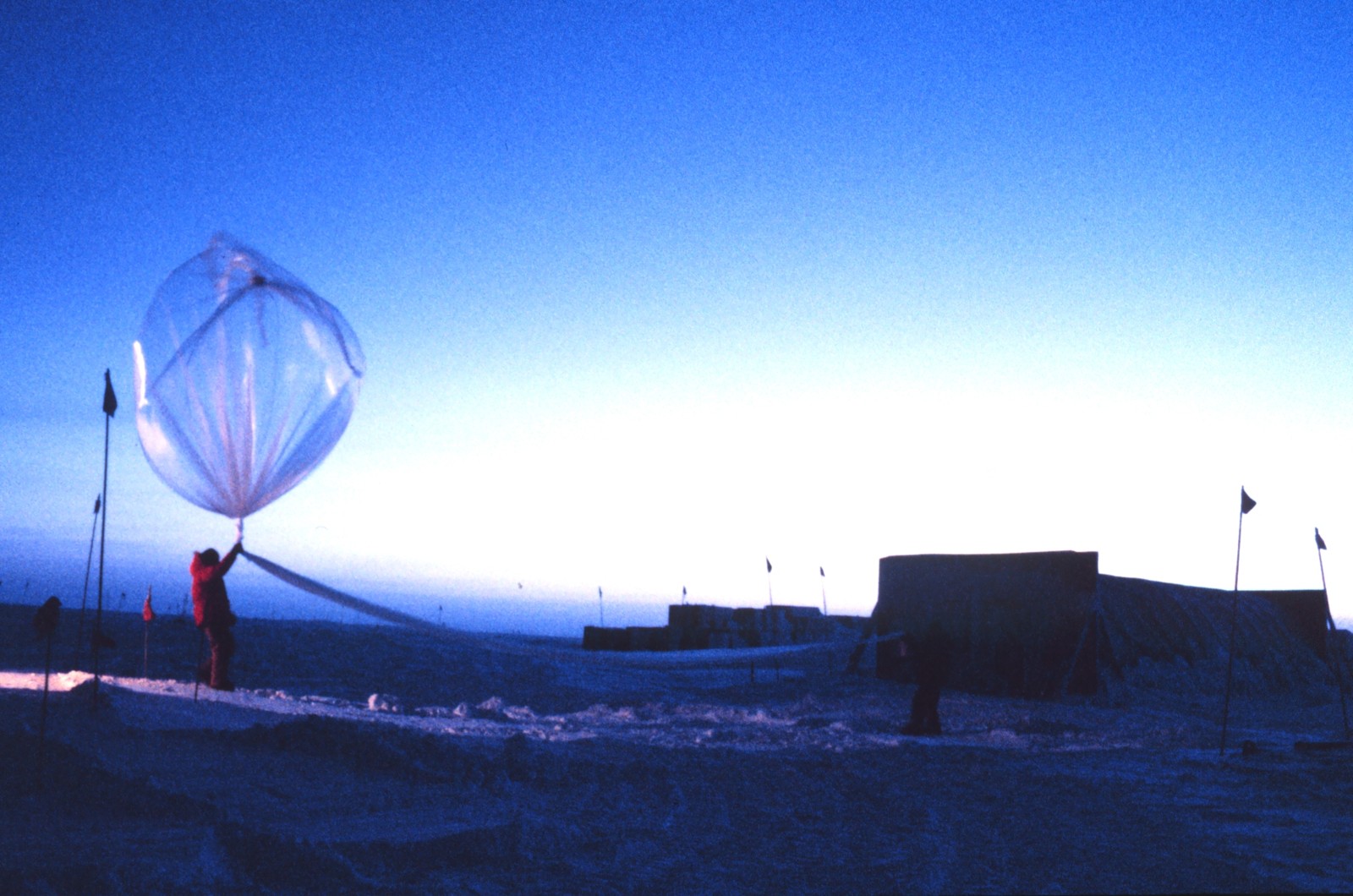
Satellites provide broad views, while balloon-carried instruments measure ozone at different heights. NOAA’s monitoring programme explains that a balloon sends ozone and weather readings to a receiving station as it rises. Such measurements can operate during polar darkness, when sunlight-based observations face limitations. Together, these methods help distinguish the area affected from the amount of ozone remaining.
What it means for you. Nigerian readers should treat this as an Antarctic seasonal assessment, not a measurement of today’s ultraviolet exposure in Lagos or Kano. The important result is that one large annual hole does not, by itself, show that international controls have failed. Continued observations are needed to judge the longer trend and to test whether expected recovery remains on course.