A patch of forest can gain plant species without regaining its former character. That is the puzzle raised by a study of three sites along the Warri River in Delta State. Researchers found 144 plant species across the three sites. At the previously disturbed site they found a rich assortment of species but a greater abundance of grasses and other plants with soft stems.
The paper appeared in Discover Plants on 3 November. The fieldwork took place years earlier, in March and July 2021, so that the team sampled in both the dry and rainy seasons. One site had a history of disturbance, including selective logging. The researchers compared it with two nearby sites with tall tree cover and little or no recorded disturbance.
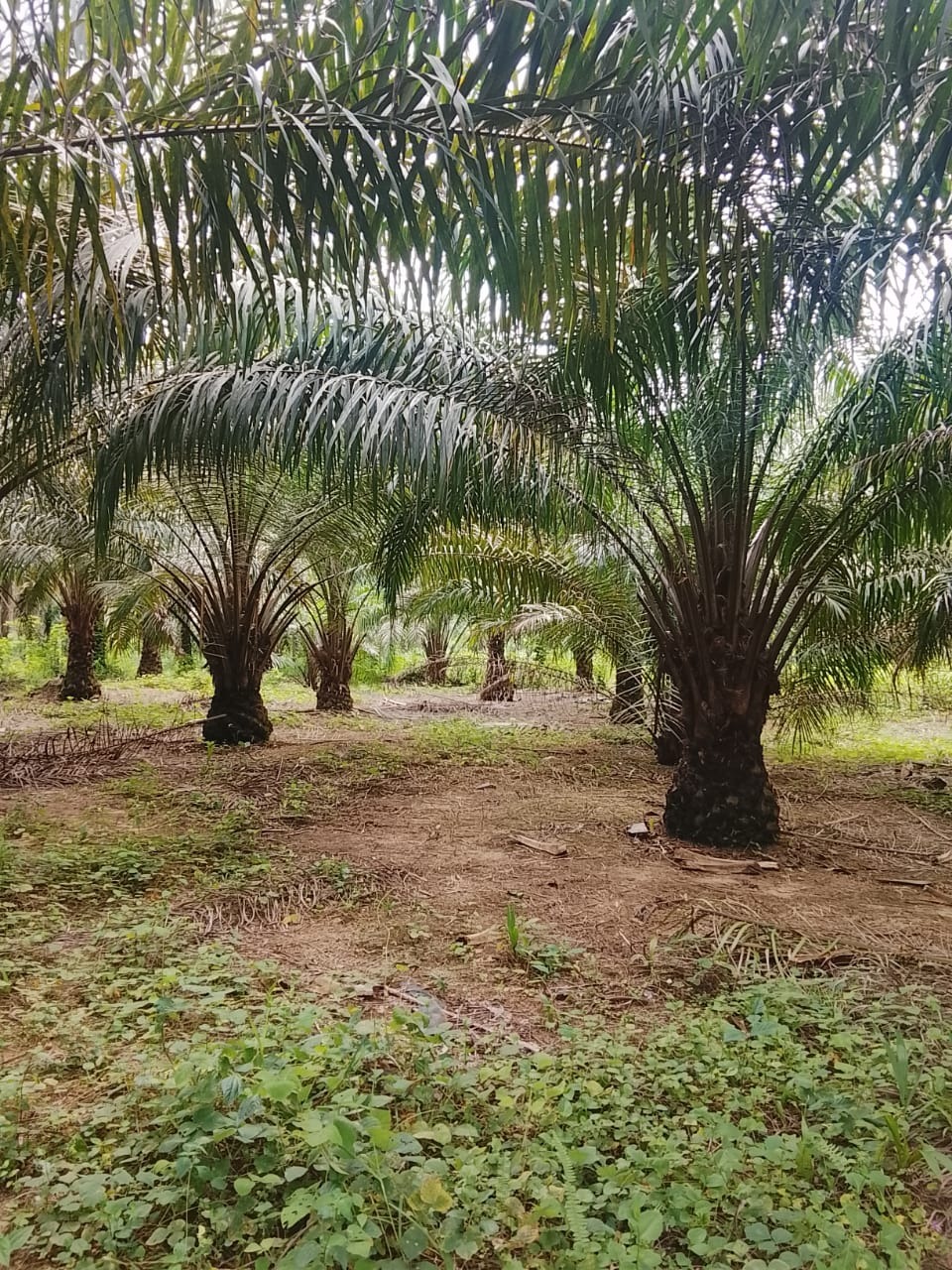
How do you compare a tall tree with a grass growing beneath it? The team marked out 60 plots in all. They surveyed trees and shrubs in squares measuring 20 metres on each side. They used smaller squares, two metres on each side, to survey other vegetation. Oil palm was among the species they commonly recorded across the sites.
Counting different species answers one question. Counting how often each occurs answers another. The disturbed site scored highly on the first measure. The neighbouring forests had a more even distribution of plants among species and had taller trees and shrubs. The two reference forests also resembled each other more closely in their mix of species.
There is a limit to what that comparison shows. One statistical test of the distribution of growth forms did not find a significant difference between the sites. The authors interpret the vegetation as consistent with gradual recovery. Their observations do not give a date when the disturbed forest will resemble its neighbours again.
What it means for you. When a restoration project announces how many species it has counted, ask what is growing there and how those plants are distributed. A list that includes dozens of grasses and herbs can describe a valuable habitat. The same list, by itself, cannot tell you whether a forest canopy has returned.