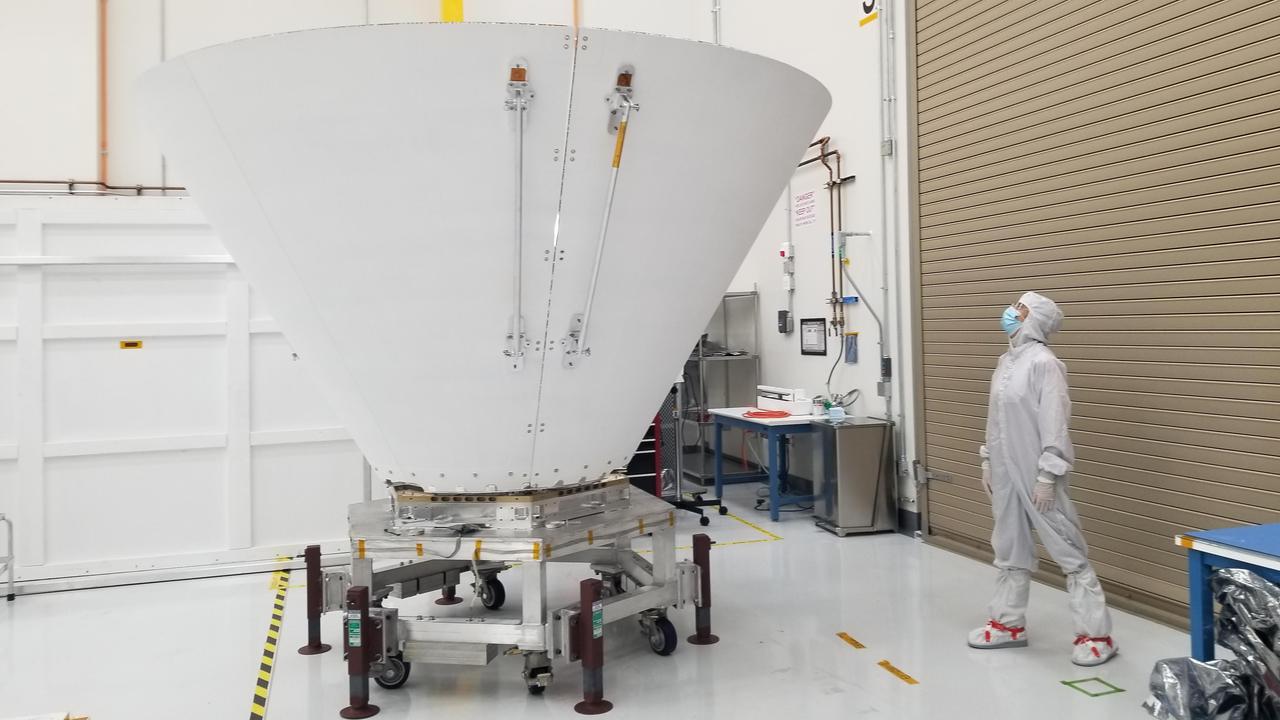
NASA SPHEREx telescope dey reveal chemical differences among brown dwarfs. These objects form like stars, but dem no fit sustain the hydrogen fusion wey normal stars use. October 8 report describe study of 37 nearby examples across wide range of temperatures.
The telescope measure brightness for many wavelength bands to produce spectrum for each object. Molecules absorb particular parts of the light. Researchers use those patterns identify ingredients for the atmosphere. Dem no just look at photograph colour and call am complete chemical analysis.
The study identify signs associated with water, carbon dioxide, carbon monoxide and methane. To find these molecules no establish oceans, life or solid ground. The observations concern chemistry of warm gaseous objects and how their atmospheres differ from one another.
Temperature help organise the comparison, but e no explain everything. Some brown dwarfs with similar temperatures show different spectra. NASA say present models explain broad chemical trends better than the complicated changes wey happen when clouds thin out or change their character.
SPHEREx observe wavelengths wey Earth atmosphere make difficult to study from ground. Its broad survey also fit produce much bigger sample. But the published analysis cover 37 objects. The thousands wey researchers still dey investigate no be thousands of completed results yet.
Next task na to test atmospheric models with more observations and explain differences between objects. Brown dwarfs provide useful laboratory for studying clouds and chemistry outside solar system. Dem also show why one temperature number alone no fit describe everything wey dey happen inside one whole world.