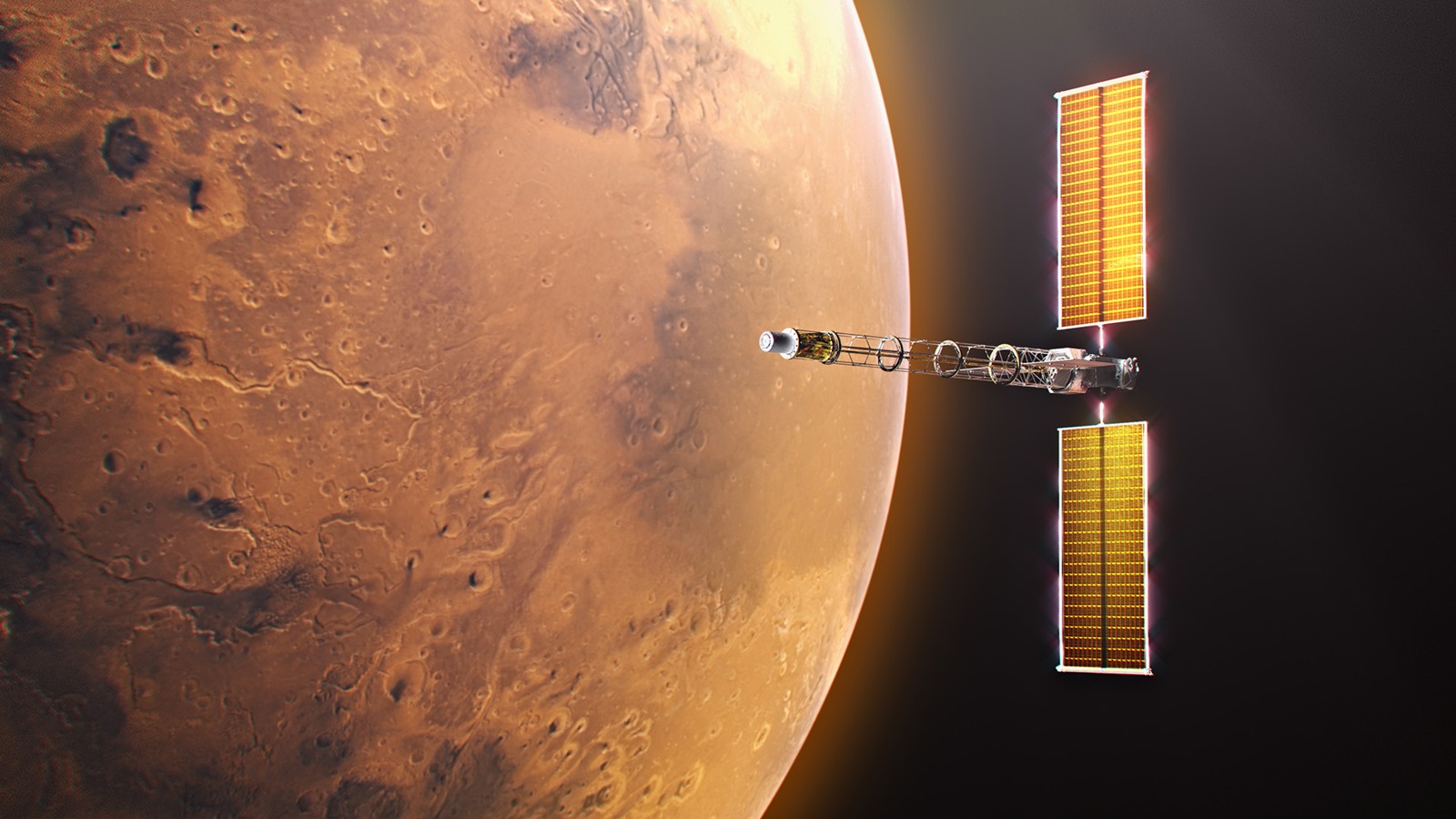
NASA say work on nuclear power module for SR-1 Freedom don move another step forward. For October 20 update, the agency explain contract arrangements to turn heat from reactor into electricity. The proposed spacecraft go try demonstrate nuclear electric propulsion outside Earth orbit, with launch target for late 2028.
Difference between heat and electricity matter for this design. Fission reactor produce heat, but spacecraft still need system wey go convert that energy into electric power. The electricity go support spacecraft equipment and electric propulsion. No be say the reactor itself go work exactly like ordinary rocket engine.
Sierra Lobo dey responsible for the closed Brayton-cycle power conversion system inside the announcement. Idaho National Laboratory dey develop the reactor under Department of Energy. Engineers must join these parts to make the full nuclear power module, so cooperation between the organisations na important part of the work.
NASA say the reactor go remain inactive until spacecraft leave Earth orbit. The agency also describe safety reviews, continuous oversight and design work wey consider hazards and how equipment fit handle failures. These na controls inside development; the announcement no say complete spacecraft don pass every future flight review.
The planned payload na SkyFall, a mission with three helicopters wey build on Ingenuity experience for Mars. NASA say dem go gather science information and investigate possible exploration areas and water resources. Their future work depend on spacecraft, delivery system and helicopters completing the necessary development and flight stages successfully.
The bigger aim na to provide useful power where sunlight alone fit no meet mission needs. But contract milestone no mean nuclear spacecraft don start operation. Next strong evidence go come from joining hardware, testing equipment and checking mission readiness as NASA work toward the launch target wey e announce.