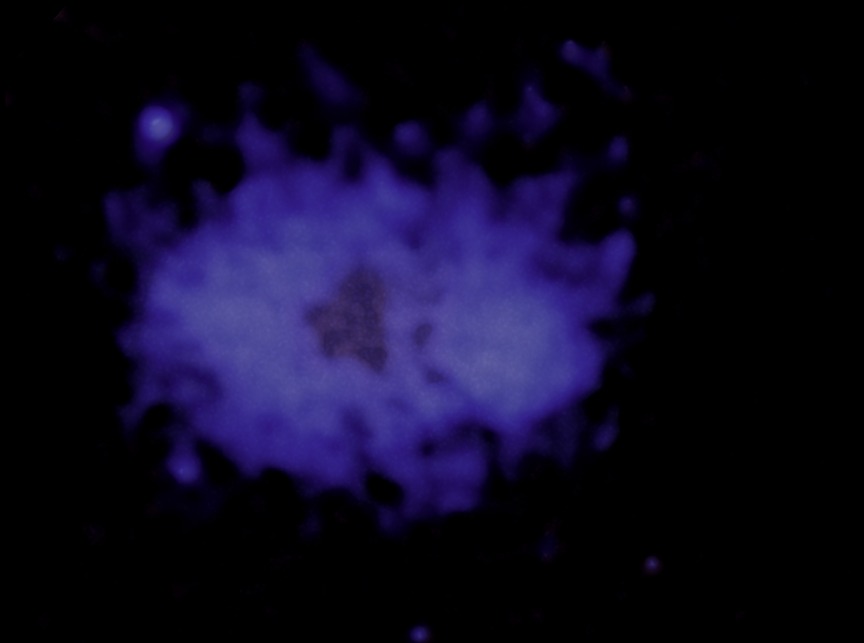
NASA report of October 14 explain likely reason for unusual radio-emitting structure wey researchers call Treble Clef. Dem connect its shape and brightness with old eruption from supermassive black hole, followed by collision between two big clusters of galaxies.
The object hard to study because e dey almost behind the plane of our own Milky Way. Stars, gas and dust for foreground block normal view. X-ray, radio and infrared observations provide different information wey help researchers separate distant structure from things wey dey between us and am.
Chandra and eROSITA detect hot gas spread across the area. This show say galaxy cluster surround the radio source. Further examination suggest two clusters dey merge. These systems contain many galaxies and huge gas reservoirs, so their collision involve more than individual stars alone.
For the proposed sequence, supermassive black hole first push charged particles and magnetic fields outward. Their radio emission fade as particles lose energy. Later collision between clusters fit squeeze or give fresh energy to this material, making am bright again. Shock waves fit also play part.
Researchers remove roughly symmetrical oval component from the X-ray data to see what remain. The remaining emission bright more for left and right than centre, supporting idea of collision direction. Their estimate place the direct encounter a few hundred million years ago, no be this month.
The nickname describe shape wey resemble musical symbol; e no mean say cluster dey write music. Scientific explanation rest on gas structure and radiation measurements. Different observations support one another, but the detailed physical sequence still be interpretation wey researchers build from that evidence.