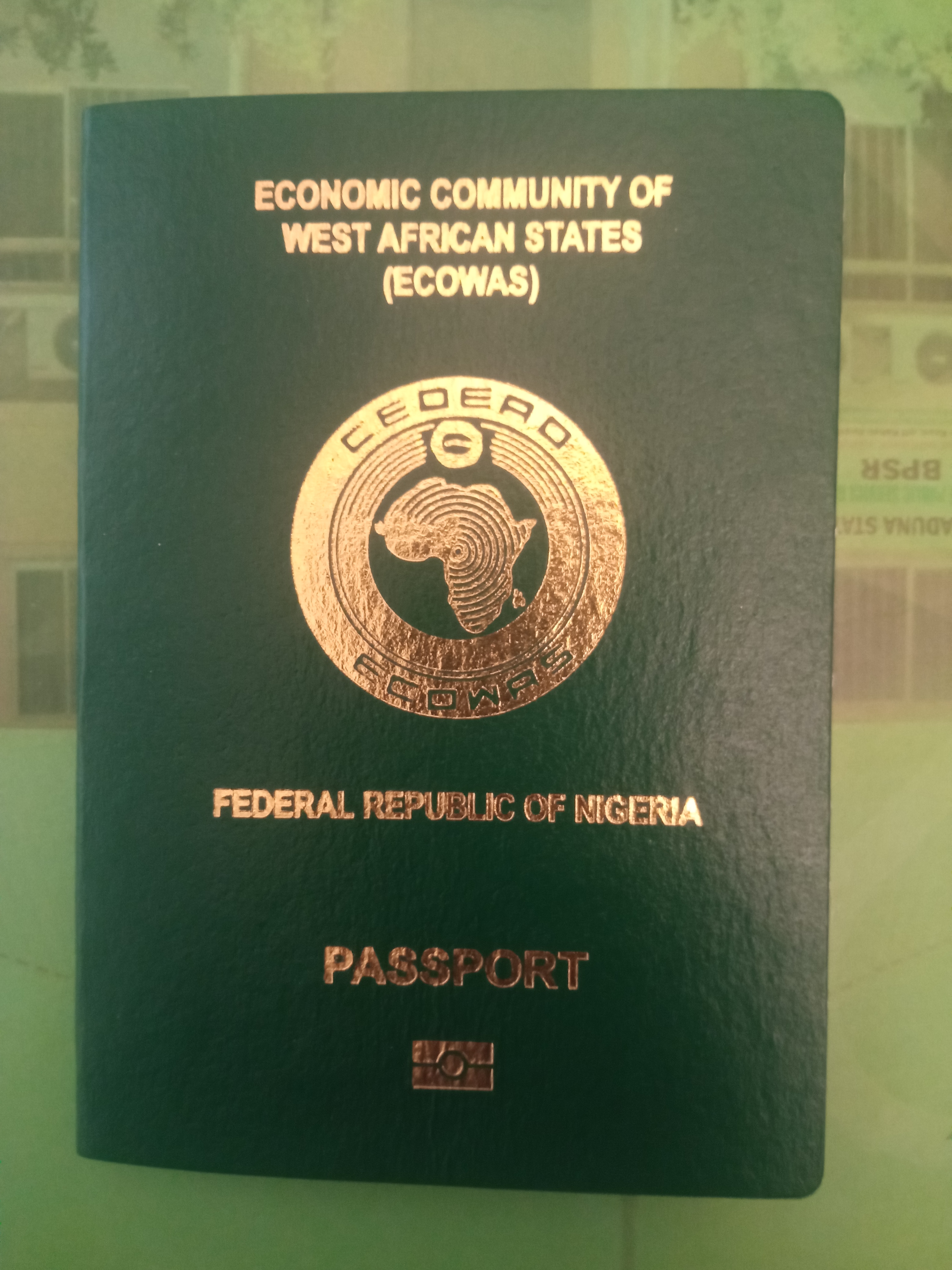
Civil society and media participants at an Abuja conference have called on Nigeria to allow visa-free entry for citizens of African Union member states. Premium Times reported the appeal on 1 November after the Conference of Freedom Advocates held on Saturday, 31 October. The appeal is a proposal from advocates, not an announcement that Nigeria has introduced a new entry policy.
The speakers argued that easier movement could support tourism, business visits, investment and trade. They called for reciprocal arrangements between African countries and questioned treating visa charges primarily as a source of revenue. These are their policy arguments, rather than demonstrated gains from a reform already implemented. The report does not establish how much revenue or visitor spending any future change would produce.
The organiser’s official conference website confirms the Abuja event date and its ADVANCE theme. It describes an agenda covering economic opportunity, rights, accountable government and citizen participation. That programme helps establish the setting for the discussion. It does not confer government authority on the participants or turn the conference’s recommendations into instructions for airlines or border officers.
The Nigeria Immigration Service’s published F 5 A tourism-visa guidance provides a useful distinction. It describes a single-entry tourism category for eligible visitors and expressly excludes ECOWAS nationals and people covered by other visa-waiver agreements from that category’s eligibility statement. Existing exemptions therefore should not be confused with a new continent-wide exemption. The conference appeal itself does not change those published arrangements.
The same official page lists a passport with at least six months’ validity, a return ticket, accommodation details and evidence of funds among the requirements. It distinguishes a visa validity period of 90 days from a permitted stay of 30 days, with no extension and no employment allowed. Those are different limits: a validity window is not permission to remain for its entire length.
For people organising visits to Nigeria, the practical dividing line is between advocacy and an operative rule. Any future reform would need an official announcement explaining who qualifies, its effective date and the conditions that still apply. Until then, the conference is a contribution to the debate on African mobility; it is not evidence that every African passport holder can now board without the documents currently required.