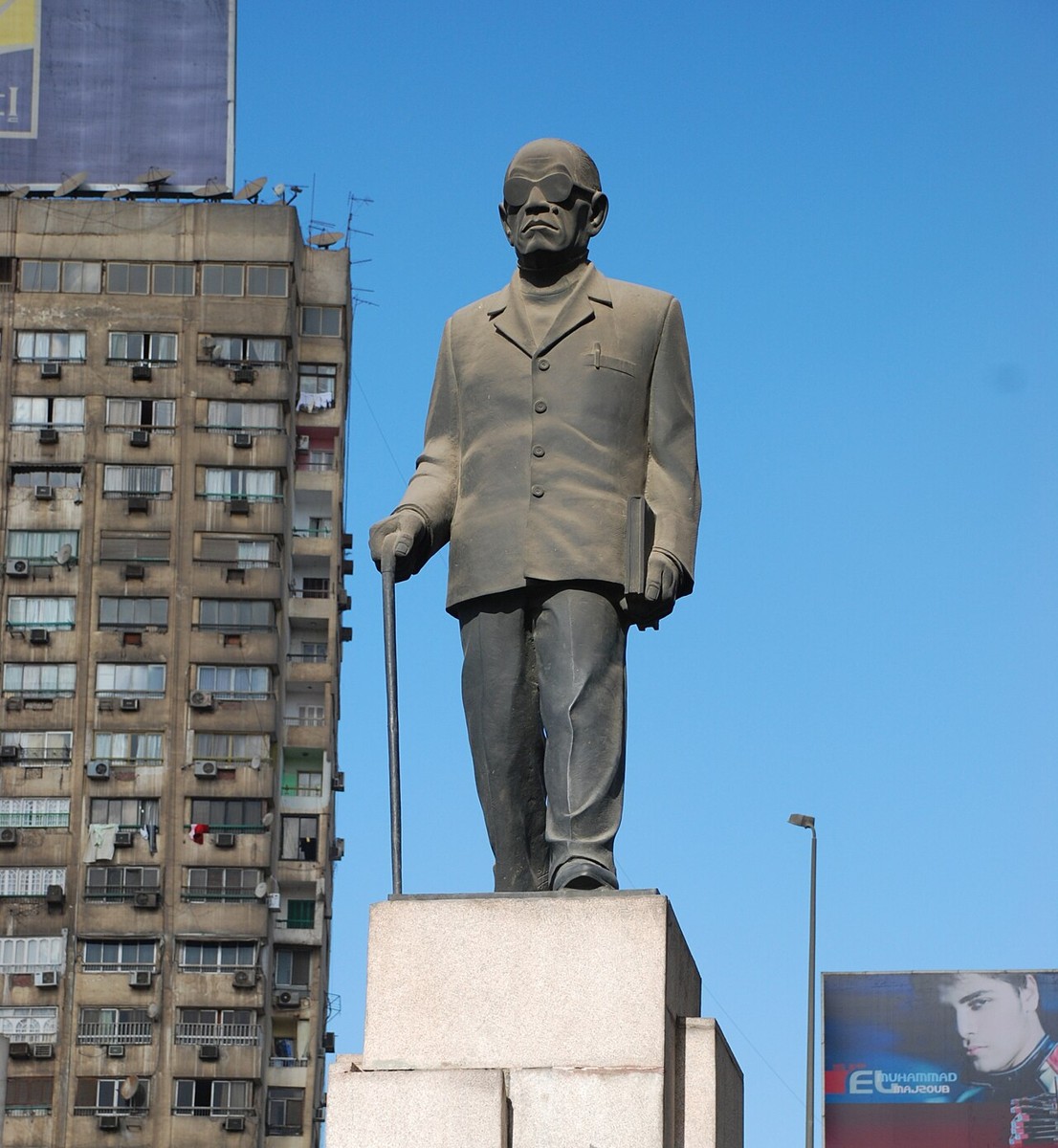
Naguib Mahfouz won the Nobel Prize in Literature in 1988 for a body of writing in Arabic. His achievement belongs to literary history, yet the questions his work raises remain accessible: how people live together, how societies change and how ordinary decisions become the substance of a novel.
Born in Cairo in 1911, Mahfouz studied philosophy at Cairo University and graduated in 1934. He also spent many years in public service. That combination of intellectual training, employment and sustained writing helps explain why the achievement should be viewed as a long career rather than an overnight discovery.
Cairo was a recurring setting in his fiction. Nobel's account describes a movement from works set in ancient Egypt towards modern society, with later writing also exploring philosophical and mystical concerns. The city in these books provides a place to examine changing relationships rather than merely an attractive background.
The Cairo Trilogy established a major reputation across the Arabic-speaking world. Other works include The Thief and the Dogs and Miramar. These titles offer different starting points for readers; a single book cannot stand for every period or technique in such an extensive career.
Reading Mahfouz in translation also introduces another participant: the translator. A useful approach is to notice the edition, translator and original publication context. This does not make translated reading less valuable; it helps readers understand how an Arabic literary work reaches a new language and audience.
The 1988 Nobel is therefore both a verified honour and a route back to the books. It need not turn Mahfouz into a representative of every Egyptian experience. His achievement is more interesting when readers encounter particular characters, places and narrative choices, and discuss what those choices reveal.