How should a school prepare before a flood or another emergency interrupts lessons? A three-day workshop in Guinea is bringing teachers, education officials and disaster-management specialists together to address that question. ECOWAS announced the opening on 5 November, describing an effort to build disaster-risk reduction into education rather than leave preparation until an emergency has arrived.
The regional commission is working with Guinea’s education authorities and its National Agency for the Management of Humanitarian Emergencies and Disasters, ANGUCH. The Guardian reports that the activity belongs to a wider ECOWAS disaster-management capacity project, financed by the European Union through the African Union Commission under the 11th European Development Fund. This is a workshop announcement, not a new funding offer to individual schools.
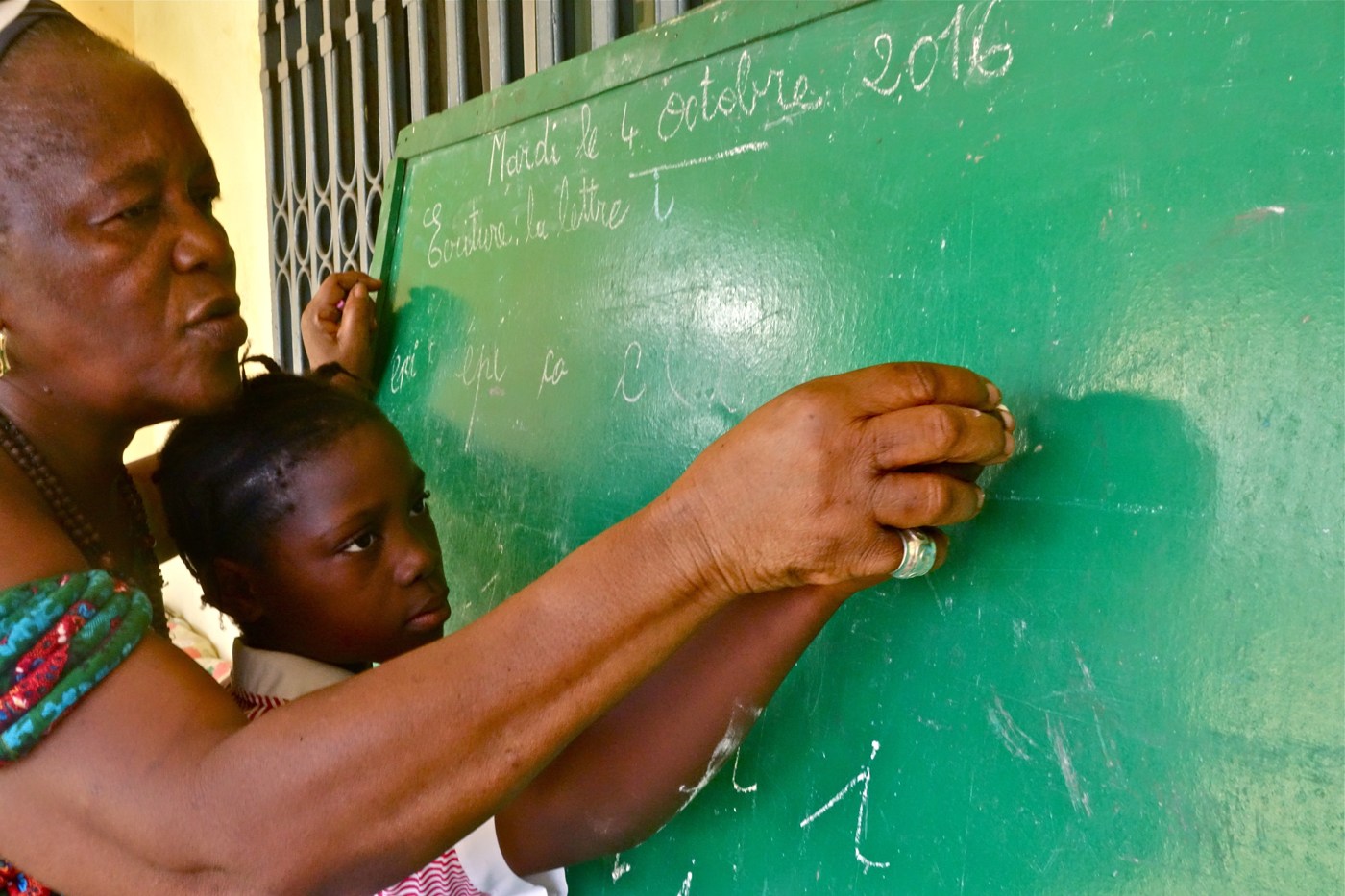
Participants are due to examine hazard awareness, early warnings, teacher training and school emergency arrangements. ECOWAS also highlighted the needs of girls, younger children and learners with disabilities. Its opening account stresses protecting pupils, staff and buildings from floods and other emergencies. It does not identify a newly confirmed disaster at the school shown in this report’s archive photograph.
The intended outputs include locally suitable teaching materials, safer procedures and clearer responsibilities for follow-up. Those are recommendations to be developed through the sessions. Neither the opening statement nor the accompanying reporting demonstrates that a revised curriculum has already been adopted nationwide, that buildings have been upgraded or that disruption to lessons has measurably fallen.
ECOWAS links the initiative to the Sendai Framework for 2015–2030. UNDRR explains that this international framework prioritises understanding risk, improving governance, investing in prevention and preparing for effective response and recovery. Governments have the leading role, with responsibilities shared across society. For Nigerian readers, Guinea’s exercise is a regional example to follow; it does not announce a change in Nigerian school policy.
What it means for you. The useful question for a parent or school community is what an emergency plan actually contains: who communicates warnings, how families receive information and whether arrangements include children with disabilities. Those are practical questions suggested by the workshop’s agenda, not a claim that one plan fits every school. Publication of recommendations and evidence of implementation will matter more than the opening ceremony.