South Africans went to the polls on Wednesday, 4 November, to choose the people who will represent their communities on municipal councils for the next five years. The decisions those councils make reach into the home. They affect services including water and sanitation, waste collection and the maintenance of municipal roads.
The Electoral Commission of South Africa reported 29.2 million registered voters and a network of 23,696 voting stations. Voting was scheduled from 7am to 9pm local time on a public holiday. The size of the register shows how many people were eligible to participate. It does not say how many put a ballot in a box.
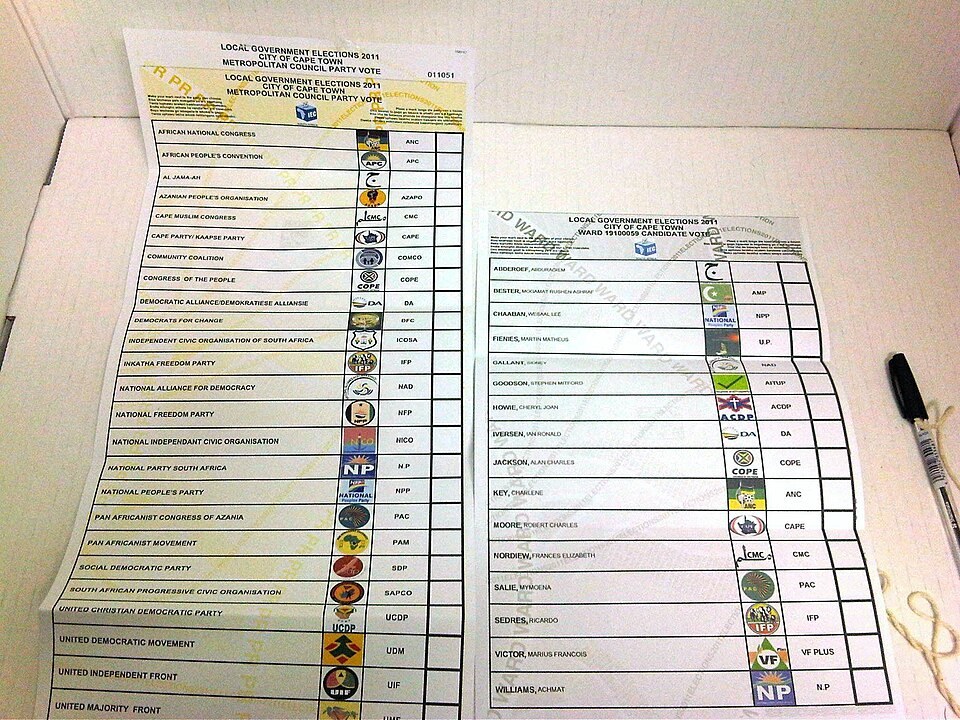
A single voter can have more than one decision to make. In a metropolitan municipality, the voter gets one paper to select a ward representative and a second to select a party for the council. The first choice is about a person who will represent an area. The second contributes to the distribution of seats by party support.
In a local municipality, a third ballot adds a choice of party for the district council. Each paper records a separate vote. That distinction matters when reading totals. Three ballot papers deposited by one person do not amount to three people turning out. South Africa's local election is also separate from the election of its national legislature.
Some voters cast their ballots before Wednesday. Special voting took place on 2 and 3 November for eligible people unable to attend on election day or unable to travel to a station because of disability or infirmity. SAnews reported that 1,425,942 people voted during those two days. That figure covers the special vote alone.
What it means for you. When following the election from Nigeria, check whether a figure refers to registered voters, people who voted or votes on a particular ballot. When a result names a winning candidate, look for the ward. To find out who can govern the municipality, look at how seats are distributed across its council.