Protecting a coastline from flooding takes a different kind of investment from reducing the emissions that warm the planet. The UN Environment Programme illustrated that difference in Nairobi on 4 November with a report on adaptation, the work of preparing for and coping with climate impacts. The report asks how much money is available for that work and how far it is likely to stretch.
UNEP estimates that international public adaptation finance flowing from developed to developing countries amounted to between US$28.2 billion and US$31.7 billion in 2024. That was an increase of about US$1 billion from 2023. The range describes a past year of public financial flows across countries. It is not the amount spent by African governments alone.
To estimate future needs, researchers drew on national climate commitments, adaptation plans and modelling. Their central estimate for developing countries is about US$305 billion every year by 2035. It largely excludes the money private businesses would need for their own adaptation. The estimate is therefore neither a single project budget nor a sum already available for governments to spend.
The agreement at the COP30 climate conference called for efforts to at least triple adaptation finance by 2035. UNEP calculated what that could mean under different starting points. Taking inflation into account, the agency estimates that even tripling the flows would cover only 20 to 29 per cent of developing countries' adaptation finance needs in 2035.
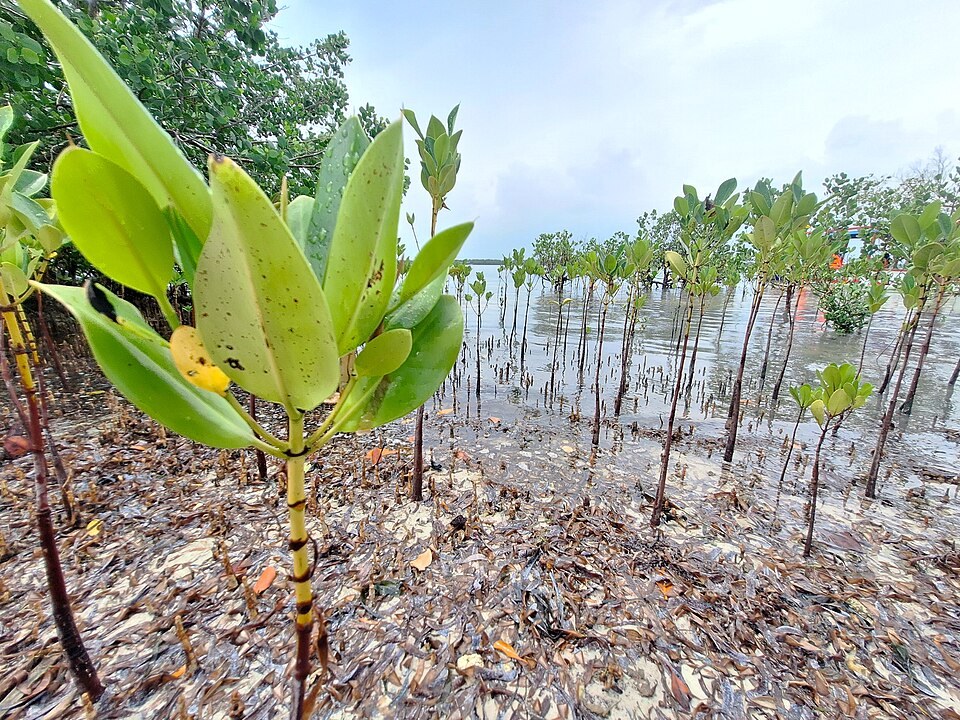
Money is only one part of the exercise. A plan to restore coastal mangroves, for example, has to become work that somebody can carry out and maintain. Mangroves can help protect coasts against erosion and floods. The Kenyan planting shown in the photograph illustrates that kind of work. The report gives no funding award to that site in the figures cited here.
What it means for you. When hearing a large climate finance figure in Nigeria, first ask whether it is a payment already made, a future target or an estimate of what will be needed. Then check which countries it covers. A global gap can help explain the pressure to raise funds, but it does not tell a coastal community what money it will receive.