When a government announces a development project, the approval notice tells only the beginning of the story. Someone following the money needs to find what was promised, how much has been paid out and what was actually delivered. The African Development Bank's sovereign portfolio ranked first of 33 entries in the 2026 Aid Transparency Index released in London on 4 November.
Publish What You Fund gave the portfolio 98.8 points out of 100, the same score as in 2024. This is its third consecutive first-place finish. The assessed portfolio covers the bank's work with governments, including loans, grants and technical assistance. The index assesses the availability and quality of published information. The score does not show that every project reached its targets.
The scorecard awarded full marks for finance and budgets, project attributes and performance information. It also identified gaps. Current country strategies were not consistently available for every relevant country, and the assessors found that the bank's disclosure policy allowed exceptions that were too broad. A high overall score leaves room for those specific criticisms.
There is a practical way to explore the records. The bank's Independent Recourse Mechanism directs users to MapAfrica. Select a country on the map and then a project. The overview identifies objectives and intended beneficiaries. The finance section includes disbursement information, while the results section distinguishes targets from values actually reported.
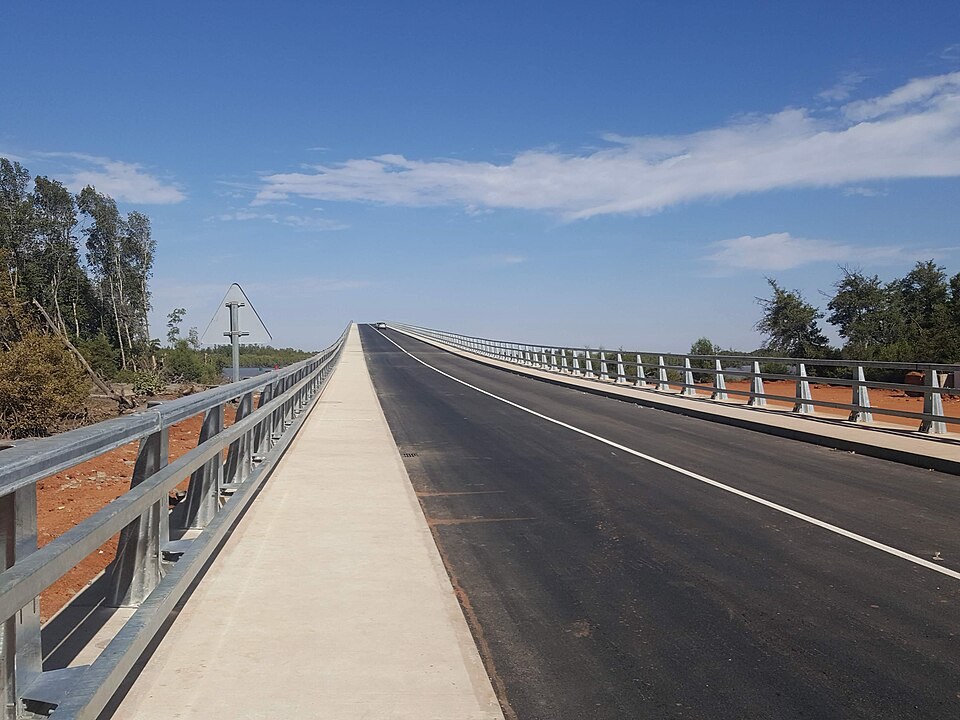
For a West African example, the bank publishes an implementation report for the Trans-Gambia corridor under project code P-Z1-DB0-046. Its documents cover the bridge and improvements at the border. The Senegambia Bridge opened in January 2019. It appears here to illustrate the kind of project a reader can trace, rather than as a newly announced crossing.
What it means for you. When checking an AfDB-backed project in Nigeria, record the project code and the date on each document. Read the original appraisal alongside the latest implementation or completion report you can find. A target in the first document and a measured result in the second answer different questions about the same public investment.