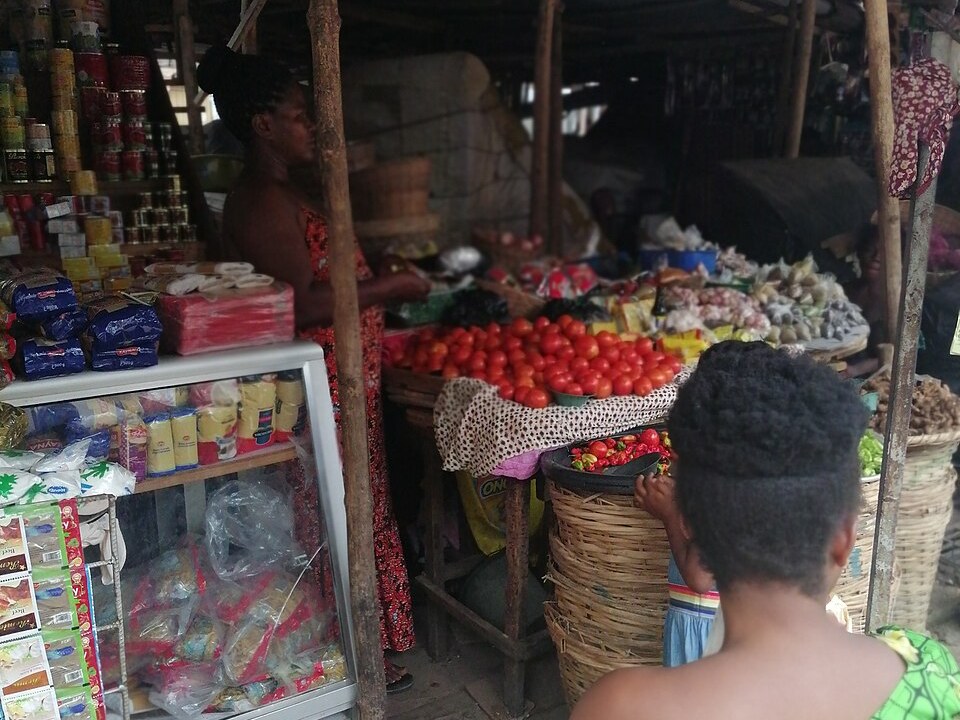
Suppose the price of a basket of food rises in two neighbouring countries. Before deciding which country's households face the bigger increase, a reader needs to know what went into each basket and when the prices were collected. That problem of comparing like with like sits behind a review of West African statistics now under way in Lomé.
On 4 November, the ECOWAS Commission reported that its research and statistics director had opened a workshop in the Togolese capital. The meeting runs from 3 to 6 November. Officials responsible for different sectors are examining the first draft of a regional statistical yearbook before it goes to the Regional Technical Committee for approval.
The draft draws on about 100 indicators selected by that committee. The subjects range from employment, health and migration to farming, prices of agricultural products and consumption. They also extend to trade-related measures such as transport. The announcement describes what the yearbook will cover. It supplies no new price or employment figure for Nigeria.
Work on common methods began well before this meeting. The commission set up a technical working group with national statistics institutes and its sector departments in 2021. By April 2025 it had a shared questionnaire and instructions for reporting indicators. Three experts in each member state were tasked with collecting, compiling and calculating figures.
The officials in Lomé are checking whether the measures are relevant and consistent and where the available data need supplementing. The longer-term aim is a regional database and a statistical bulletin issued every year. The meeting is one step towards that aim. Its timetable does not give a release date for an approved yearbook.
What it means for you. When a chart compares food prices or employment in Nigeria with figures from elsewhere in the region, look for the period measured, the unit and the definition. Two numbers with the same label can describe different things. The work in Lomé concerns the standards that can make such a comparison useful.