For a Nigerian musician, a payment for someone making a personal copy of a recording raises questions about copyright. For a museum, recovering a cultural object raises different questions about where it belongs and how a return is arranged. ECOWAS is addressing both subjects in separate meetings taking place together in Accra this week.
The commission’s 4 November account says the meetings run from 3 to 5 November, with parallel discussions after a shared opening. Ghana’s minister responsible for tourism, culture and the creative arts, Abla Dzifa Gomashie, opened the programme. Representatives of the World Intellectual Property Organization and the West African Economic and Monetary Union also participated in that opening.
One group is reviewing a study on a regional approach to remuneration for private copying and reprography. The latter concerns reproducing material such as printed text and images. The purpose of the review is to obtain stakeholder validation and guide cooperation across member states. The announcement sets no new rate that Nigerian consumers or importers must pay.
WIPO’s published explanation describes private-copying remuneration systems as fees associated with copying devices and media. Collections are distributed to rights holders through the relevant organisations. This explains the type of mechanism being discussed, not a claim that every country has the same rules. Permission for personal copying, the equipment covered and payment arrangements depend on the applicable framework.
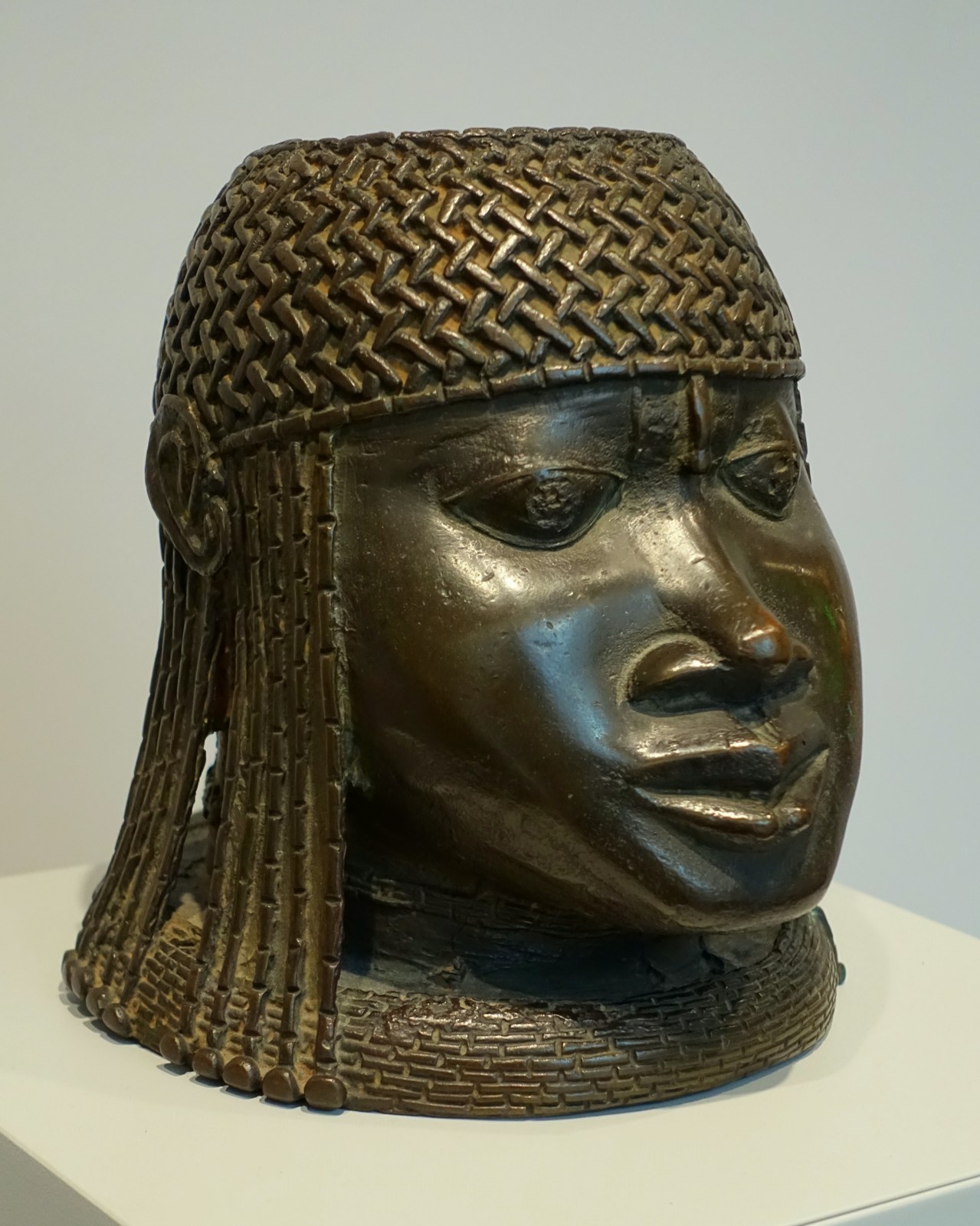
The other meeting concerns the return of cultural property to its countries of origin. Its committee is working on measures and procedures for a 2027–2031 action plan. That is a planning stage. The commission’s account does not name a newly returned object, a particular museum transfer or a completed restitution agreement arising from these sessions.
What it means for you. Creators and heritage organisations can follow two distinct next steps: publication of an agreed copying-remuneration approach, and practical arrangements under the return plan. A meeting on either subject is not itself a payment or a return. Readers should look for the resulting documents, named implementing bodies and confirmed actions before treating regional intentions as completed changes.